Templestay in Korea: How to Book, Rates & Top Temples
Key takeaways
Templestay in Korea allows international travelers to experience Korean Buddhist monastic culture across four formats, ranging from short half-day visits to multi-day quiet stays. Standard 1-night 2-day rates range from ₩50,000 to ₩100,000 KRW per person as of 2025 and 2026, with official reservations processed through eng.templestay.com.
Templestay in Korea (템플스테이) opens historic Buddhist sanctuaries to international travelers, offering a direct window into 1,700 years of monastic heritage. Launched by the Cultural Corps of Korean Buddhism surrounding the 2002 FIFA World Cup, official temple retreats host tens of thousands of overseas visitors every year. This practical guide covers how to reserve your stay through the official English portal, what to budget for 2025–2026 rates, how to prevent payment failures, and what to expect during daily monastic routines.
What Is Korean Templestay and Which Program Format Fits Your Schedule?
Korean Templestay allows visitors to live alongside resident monks in active Buddhist temples across South Korea. Program options span short half-day visits to multi-day stays, fitting easily into most travel itineraries. Choosing the right schedule depends on whether you prefer active cultural workshops, quiet personal reflection, or a full digital detox.
1. One-Day Templestay (당일형)
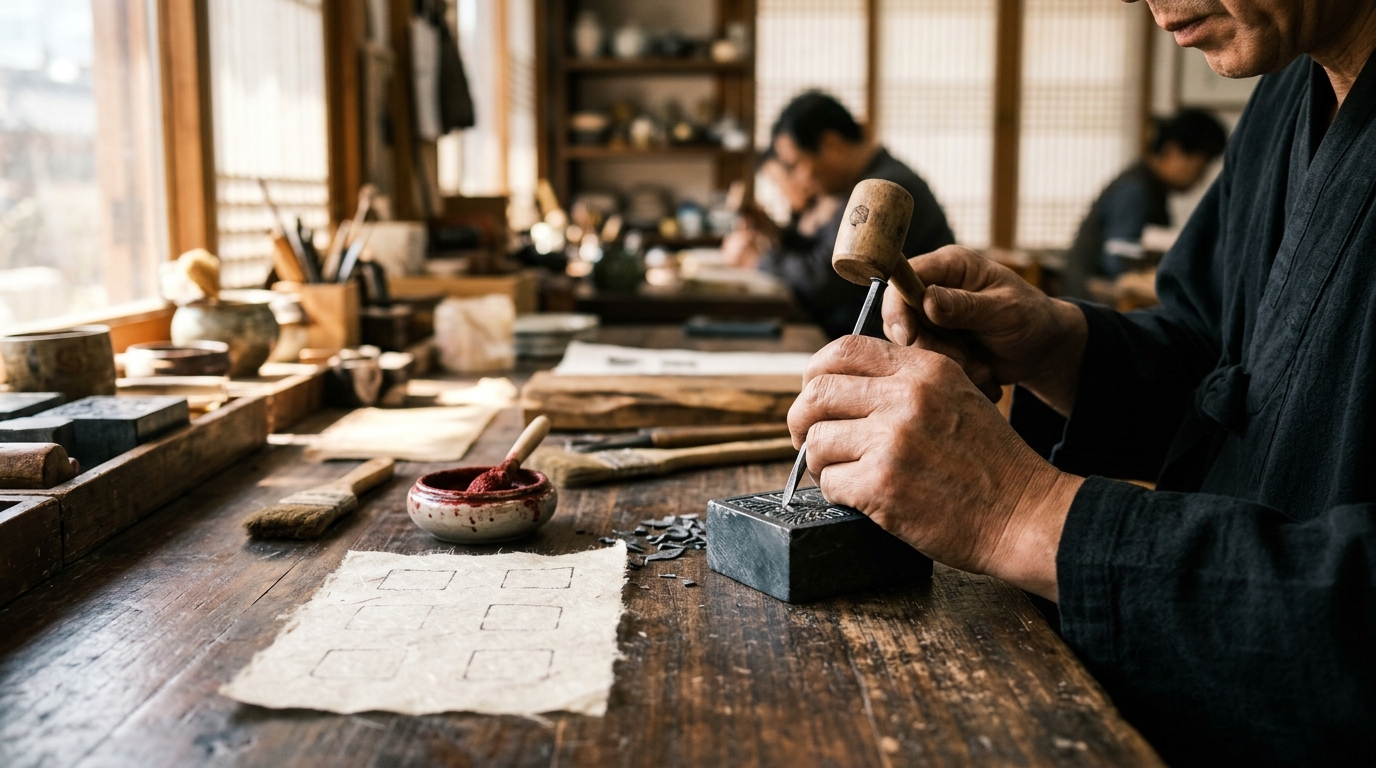
One-Day visits run between two and four hours and do not include an overnight stay. Visitors take a guided tour of the temple grounds, learn traditional etiquette, share tea with a monk, or craft lotus lanterns out of paper. This format works well if you want a brief cultural stop while staying in a major city without adjusting to an early morning wakeup call.
2. Experience-Oriented Templestay (체험형)
This structured overnight option (1 Night 2 Days) provides full immersion in daily monastic life. Guests put on provided temple vests and pants, join evening and morning chanting (Yebul 예불), perform 108 prostrations (108배), participate in formal silent dining (Balwoo Gongyang 발우공양), and sit for tea talks (Cha-dam 차담) with monks. It fits travelers who want hands-on instruction in Korean Zen practice.
3. Rest-Oriented Templestay (휴식형)
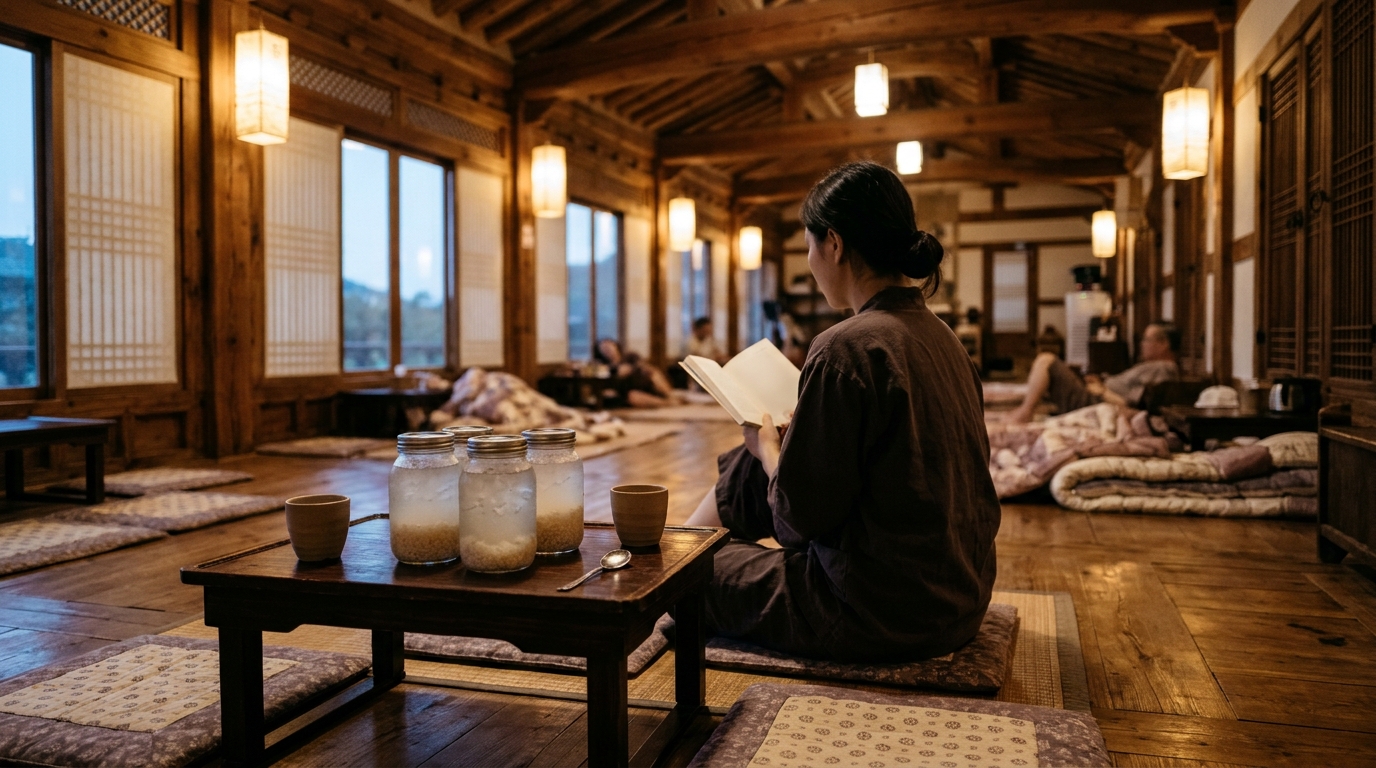
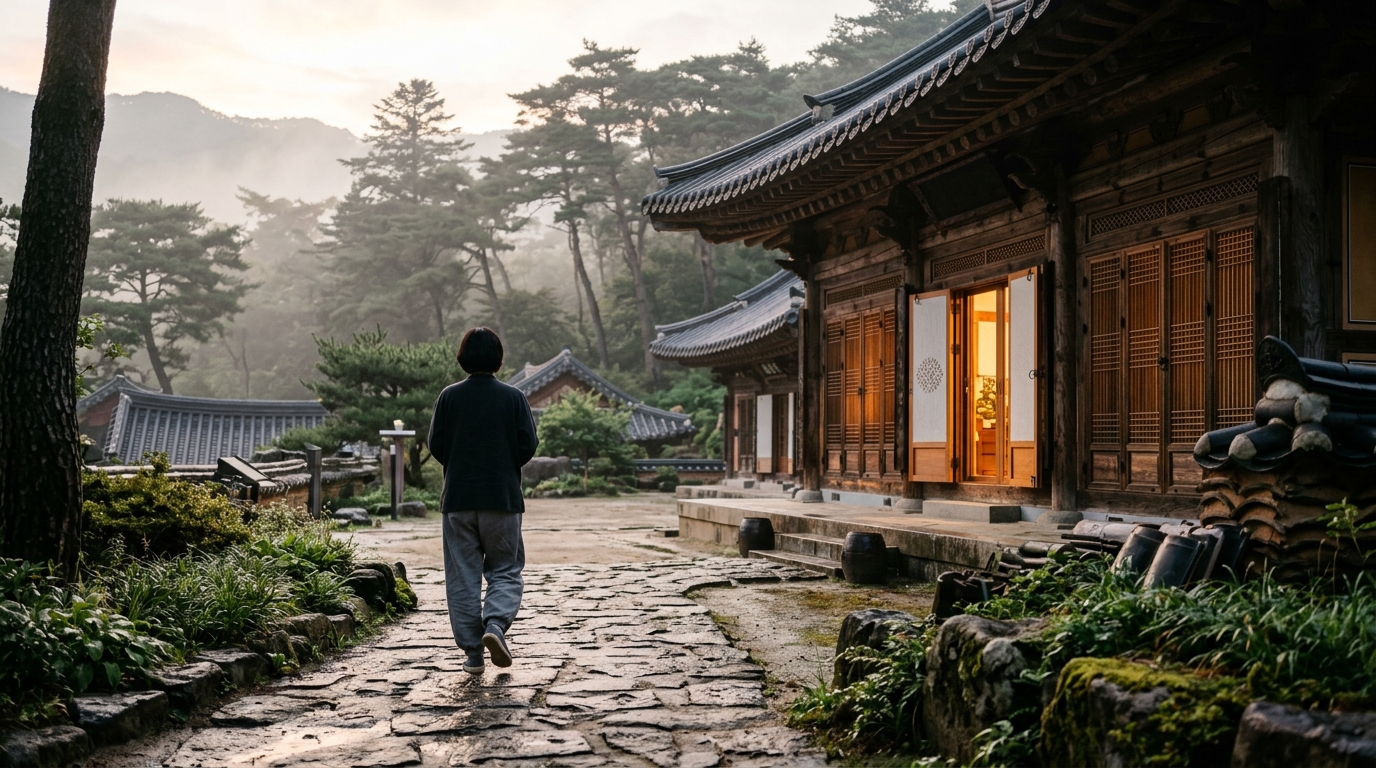
Rest-Oriented options emphasize self-guided downtime over fixed schedules. Aside from mandatory orientation and set meal times, guests spend their hours reading, strolling mountain paths, meditating, or resting inside Hanok quarters. Early morning chanting remains completely optional. Many travelers use this format as an affordable, peaceful retreat from busy city travel.
4. Special Theme Templestay (특별형)
Offered during specific seasons or at specialized monasteries, these themed stays focus on targeted practices like Buddhist temple cuisine, Seonmudo martial arts, or multi-day intensive meditation. Schedules usually align with seasonal holidays or cultural events.
What Are the Updated 2025–2026 Templestay Costs and Rates?
Standard 1-night 2-day templestay rates range from ₩50,000 to ₩100,000 KRW per person as of 2025 and 2026. This fee covers overnight accommodation, uniform rentals, and all vegetarian meals. Pricing varies based on room type, location, and whether the program is structured or self-guided.
| Program Format | Standard Duration | Cost Range (KRW) | Included Services & Features |
|---|---|---|---|
| One-Day Visit | 2–4 Hours | ₩10,000 – ₩60,000 | Temple tour, tea ceremony, cultural craft |
| Rest-Oriented Stay | 1 Night 2 Days | ₩50,000 – ₩100,000 | Accommodation, 2–3 vegetarian meals, uniform |
| Experience-Oriented | 1 Night 2 Days | ₩70,000 – ₩120,000 | Full guided schedule, 108 bows, monk Q&A |
| Special Promotional Rate | 1 Night 2 Days | ₩30,000 – ₩50,000 | Government-subsidized rates during seasonal drives |
During official promotional campaigns like the Korea Grand Sale or annual Templestay Weeks, the Cultural Corps of Korean Buddhism frequently lists special foreigner rates around ₩30,000 KRW per night. These discounted spots fill up quickly once announced on official travel portals.
How Do You Book on eng.templestay.com Without Glitches?
Foreign travelers must place reservations through the official English portal operated by the Cultural Corps of Korean Buddhism. Reserving via the dedicated English site ensures placement at temples equipped with English-speaking staff or interpreters.
Mobile web browsers frequently encounter security authorization errors when processing international credit card payments. Completing the reservation on a desktop computer minimizes dropouts. Bookings open one to two months in advance, so plan early if booking a popular mountain site on a weekend.
Top Foreigner-Friendly Temples: Seoul, Woljeongsa, Haeinsa, and Golgulsa
Location matters when choosing a temple. Urban temples inside city limits offer convenient transit connections, while mountain monasteries provide tranquil forest surroundings and historic architecture.
Seoul Urban Temples: Jogyesa, Bongeunsa, and Jingwansa
- Jogyesa (조계사): Situated in central Insadong, Jogyesa is the main temple of the Jogye Order. It suits travelers looking for a quick One-Day program or an easy overnight stay without leaving downtown Seoul.
- Bongeunsa (봉은사): Located directly across from the COEX Center in Gangnam, Bongeunsa offers convenient city programs set against a striking backdrop of traditional wooden halls and modern skyscrapers.
- Jingwansa (진관사): Tucked into the base of Bukhansan National Park in western Seoul, Jingwansa is internationally recognized for its refined temple food preparation and calm natural setting.
Historic & Mountain Temples: Woljeongsa, Haeinsa, and Golgulsa
- Woljeongsa (월정사): Found inside Odaesan National Park in Gangwon Province, Woljeongsa is renowned for its towering fir forest trail and peaceful snowy views. Staying here offers a classic mountain retreat during winter months.
- Haeinsa (해인사): Located in Hapcheon, South Gyeongsang Province, Haeinsa holds the Tripitaka Koreana (Palman Daejanggyeong 팔만대장경), a collection of more than 81,000 engraved wooden Buddhist scripture blocks. Winter stays allow visitors to see this UNESCO World Heritage landmark without large crowds.
- Golgulsa (골굴사): Carved into stone cliffs near historic Gyeongju, Golgulsa serves as the center for Seonmudo (선무도), a traditional Zen martial art. Guests practice physical martial arts training alongside daily meditation rituals.
Essential Temple Etiquette: Rituals, Dress Code, and Balwoo Gongyang
Monasteries are active working religious communities. Following basic behavioral rules maintains a respectful environment for monks and fellow guests.
Monastic Clothing and Footwear Rules
At check-in, guests receive a uniform vest (Chokki 조끼) and loose trousers (Baji 바지). You should bring a plain t-shirt to wear under the vest. Bare feet are prohibited inside main Buddha halls (Daeungjeon 대웅전), so bring plain white or neutral socks. Leave shoes on the outdoor steps, arranged neatly facing outward before entering indoor rooms.
Balwoo Gongyang Monastic Meal Protocol
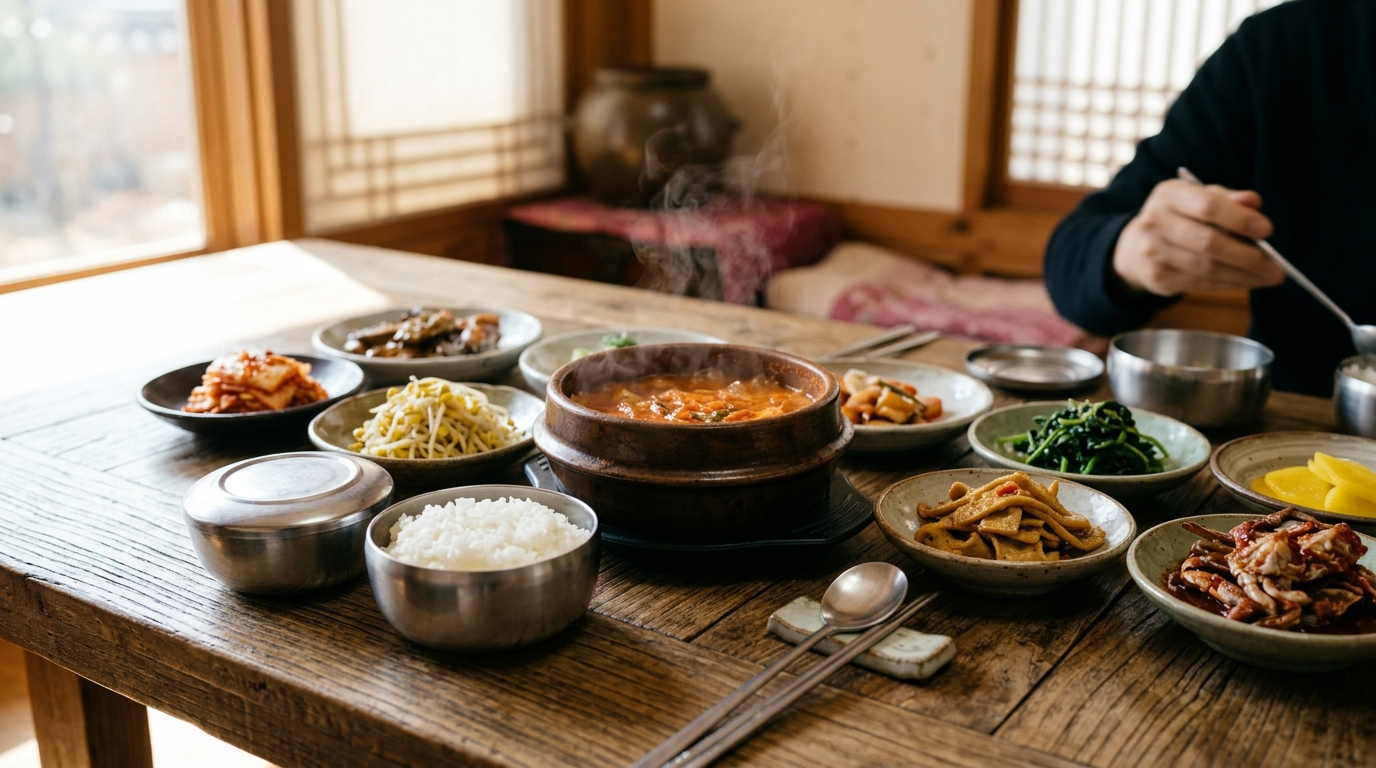
Monastic dining operates under a strict zero-food-waste policy (잔반 제로). Meals take place in complete silence using four nested wooden bowls called Balwoo (발우). Guests serve themselves only what they plan to finish. At the end of the meal, warm water and a slice of pickled radish clean every bowl before drinking the remaining water. For broader context on Korean eating customs, see our overview of Korean Dining Etiquette.
Temple Chanting and Morning Routine
How to Prepare for Sub-Zero Winter Stays in Mountain Temples
Mountain valleys experience significantly colder temperatures than coastal cities. Sub-zero weather is standard from December through February in high-elevation locations like Odaesan or Gayasan. Packing the right gear keeps you warm during morning ceremonies.
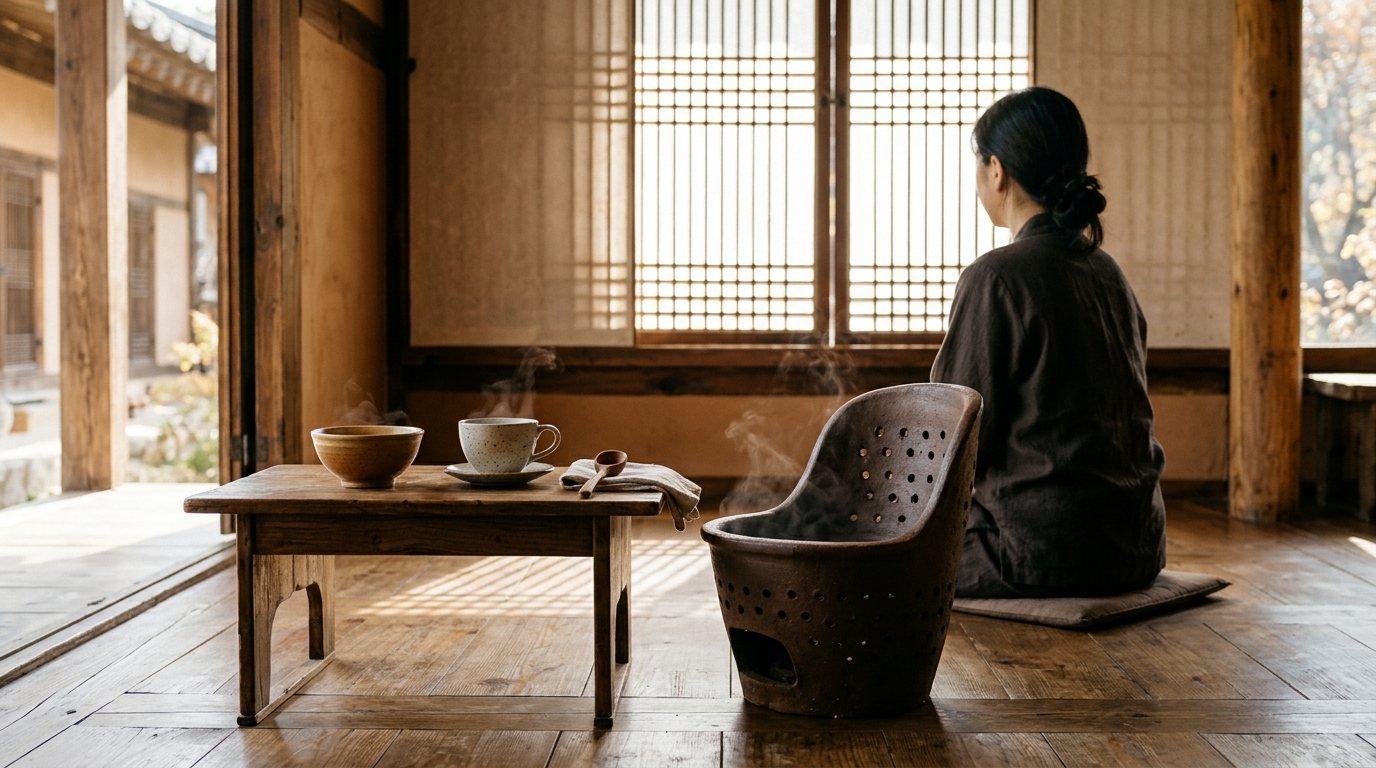
Temple quarters utilize traditional Ondol (온돌) floor heating systems. While floors remain warm, air inside historic wooden halls stays cold. To plan for seasonal weather swings, consult our guide on Korea Winter Weather (Samhan Sa-on).
Public Transport Logistics: KTX, Buses, and Taxis to Remote Temples
Reaching rural monasteries requires coordinating train departures with intercity bus connections. Seoul city temples connect directly to the Seoul Metropolitan Subway, while mountain retreats involve secondary transfers.
To reach Woljeongsa, take a high-speed KTX train from Seoul Station or Cheongnyangni Station to Jinbu Station. Local buses run directly from Jinbu Bus Terminal to the temple entrance. If you are arranging train travel across South Korea, check our instructions on how to Book KTX Train Tickets with a Foreign Card.
To reach Haeinsa, take the KTX to Dongdaegu Station or Daegu Station, transfer to Daegu's Seobu Bus Terminal, and board an intercity bus to Haeinsa Terminal. Setting up local navigation tools on your phone helps track rural bus schedules. Learn how to set up your device using our guide to 5 Essential Naver Map Settings Every Tourist Needs in Korea.
Joining a templestay in Korea offers a memorable look into long-standing monastic customs. By picking the format that fits your travel pace, reserving through the English portal, and respecting local customs, you can enjoy a restorative retreat in Korea.
Frequently asked questions
Q. Do I need to be Buddhist to join a Templestay in Korea?
No, Templestay in Korea is a non-religious cultural program open to people of all faiths, including Christians, Muslims, and atheists. Established in 2002 by the Cultural Corps of Korean Buddhism, activities focus on mindfulness, traditional arts, and meditation rather than religious conversion. Participation in morning chants is voluntary for international guests.
Q. Can I pay with a foreign credit card on the English Templestay site?
Yes, the official English portal (eng.templestay.com) accepts major international credit cards like Visa and Mastercard. However, travelers should complete checkout on a desktop PC browser instead of a mobile device to prevent pop-up blockers from interrupting authentication security screens.
Q. How early do guests wake up during a Korean Templestay program?
Most overnight programs begin the morning routine between 04:00 AM and 04:30 AM. Monks walk through the temple grounds playing the wooden percussion instrument known as Moktak (목탁) to wake participants for early morning Yebul (예불) chanting and meditation sessions.
Q. Are temple stay rooms private or shared with other travelers?
Room allocations vary depending on the temple and program fee. Most rest-oriented stays and private bookings assign individual or family Hanok rooms with private underfloor heating, while budget or group experience stays may place solo travelers in gender-segregated shared quarters.
Q. Can I participate in a Templestay program if I do not speak Korean?
Yes, designated foreigner-friendly temples provide English-speaking monks, bilingual program coordinators, and English instructional materials. Foreign visitors should always book through the official English portal (eng.templestay.com) to guarantee placement in an English-guided cohort.