Korean Jjimjilbang Etiquette: 7 Rules for First-Time Visitors
Key takeaways
Korean jjimjilbang etiquette requires full nudity in gender-segregated bath halls and provided uniforms in co-ed thermal sauna rooms. Visitors must shower before entering pools and refrain from taking photos in changing areas. As of late 2026, standard admission ranges from 15,000 KRW to 25,000 KRW for a 12-hour pass.
Stepping into a Korean bathhouse without knowing what to expect can feel confusing, but the rules are straightforward once you learn them. Public bathing is an everyday part of modern life in South Korea, connecting people across generations in shared wellness spaces. A Korean jjimjilbang (찜질방) brings together gender-segregated hot bath halls, co-ed thermal saunas, resting lounges, and snack counters under one roof. With a basic grasp of hygiene standards and clothing rules, international visitors can avoid social missteps and enjoy this popular relaxation culture.
What Is a Jjimjilbang and How Does It Work?
A Korean jjimjilbang is a large public spa facility split into two main sections: wet bath halls and hot kiln saunas. Upon entering, visitors receive an assigned locker key, a set of cotton loungewear called jjimjilbok (찜질복), and small hand towels. As of late 2026, standard adult admission fees range from 15,000 KRW to 25,000 KRW for a 12-hour pass, depending on the venue location and time of entry.
The layout follows a clear division of spaces:
- Gender-Segregated Bathing Area (Mogyoktang, 목욕탕): Nudity is required here. Facilities include multi-temperature hot mineral tubs, cold pools, steam rooms, and body scrub stations.
- Communal Heating Zones (Jjimjilbang, 찜질방): Co-ed public areas where everyone wears the provided jjimjilbok. Guests use themed heat chambers—such as salt, charcoal, jade, and pinewood kilns—ranging from 30°C to over 80°C.
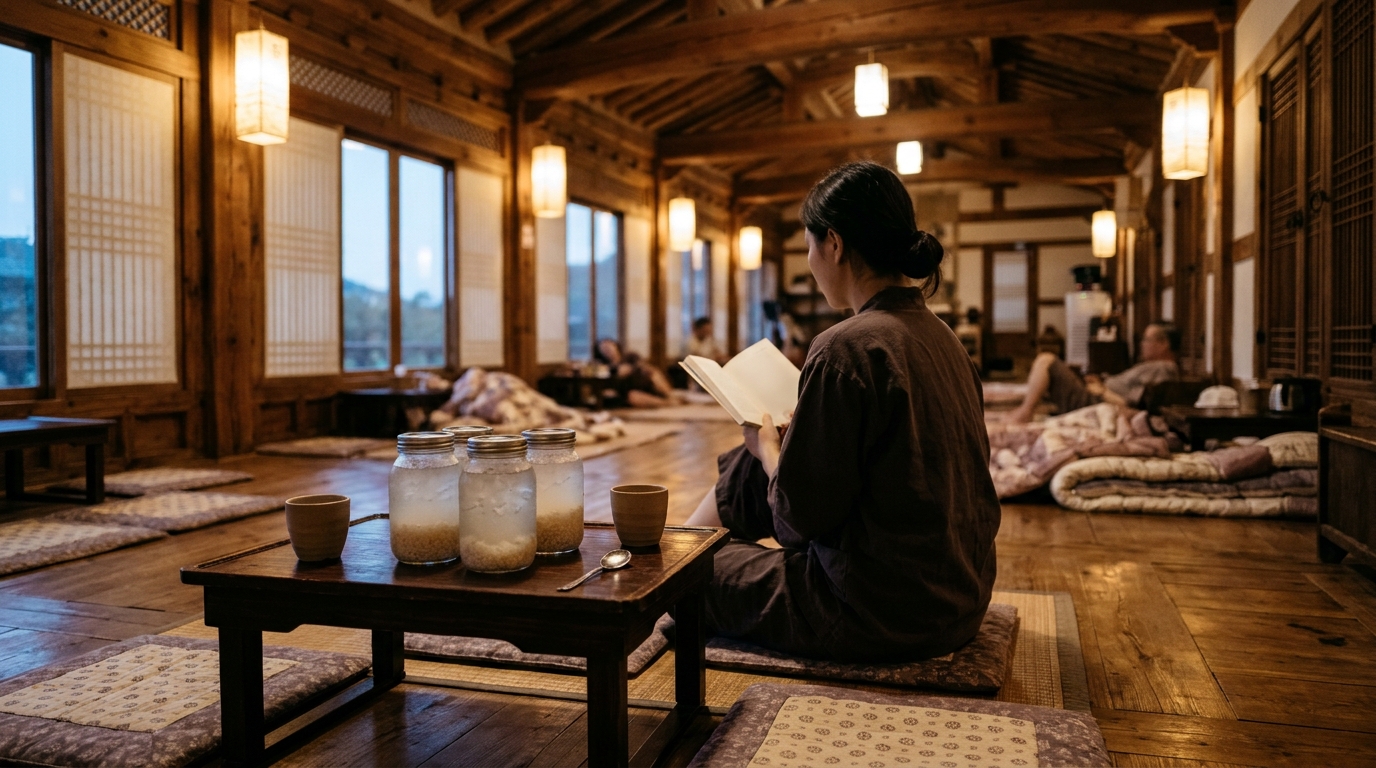
- Relaxation & Dining Lounges: Open common areas featuring floor heating (ondol), sleeping mats, food stalls serving traditional refreshments, and amenities like massage chairs.
7 Essential Rules of Korean Jjimjilbang Etiquette
Public bathhouses in South Korea rely on seven standard rules so every visitor can share the facility comfortably.
Rule 1: Nudity Is Mandatory in the Wet Bath Areas
Swimsuits, rash guards, and underwear are strictly prohibited inside the gender-segregated bath halls. Bathing fully naked is mandatory to maintain hygiene and water purity. While shedding clothes in front of strangers might feel unusual at first, locals view communal bathing as a routine hygiene practice where social distinctions disappear.
Rule 2: Shower Thoroughly Before Soaking in Tubs
Never step into a hot tub or cold pool without washing your body first. Sitting directly in shared water without showering is considered a major hygiene violation. Every visitor must sit at a wash station and scrub thoroughly using soap and shampoo before entering any communal bath tub. Rinse off all soap suds completely before stepping into the water.
Rule 3: Keep Hair Tied Up and Water Clean
Submerging your head or long hair into hot tubs is prohibited. Long hair must be tied back securely with a hair band or wrapped in a small towel. Avoid washing clothes, dyeing hair, or shaving inside public tubs. Wash stations with handheld shower heads and mirrors are provided specifically for personal grooming.
Rule 4: Wear Provided Uniforms in Co-Ed Communal Zones
Before exiting the locker room into the main public halls, unisex jjimjilbok loungewear must be worn. Guests receive a t-shirt and matching shorts during check-in. Wearing personal gym clothes, pajamas, or street attire in the communal sauna halls is not permitted.
Rule 5: Zero Tolerance for Cameras and Smartphones in Locker Rooms
Under South Korea's Act on Special Cases Concerning the Punishment, etc. of Sexual Crimes, taking photos or recording video inside locker rooms, changing zones, or bath halls is strictly illegal. Keep smartphones hidden inside your locker or carry them tucked away in your uniform pockets when walking through communal lounges. Never point a phone camera toward other guests in any area of the facility.
Rule 6: Respect Quiet Conduct and Avoid Splashing
Jjimjilbang halls are designated spaces for quiet relaxation and thermal therapy. Keep conversation volume low, turn mobile phones to silent mode, and refrain from running, jumping, or splashing water in the bath tubs. Children must be supervised at all times to preserve the quiet atmosphere.
Rule 7: Clean Wash Stations and Seshin Benches After Use
When using seated wash stations or scheduling a professional body scrub (seshin, 세신), always spray down the plastic stool, basin, and bench with water after finishing. Leaving soap suds or hair behind breaks communal courtesy norms. When getting a professional body scrub, note that tipping is not expected or accepted in Korea; pay the official fee directly at the counter or bath manager's desk.
Step-by-Step Guide: From Check-In to Exit
Navigating a bathhouse is simple once you understand how key wristbands and locker systems work.
| Facility Component | Required Attire | Primary Activity | Key Etiquette Focus |
|---|---|---|---|
| Shoe Locker Area | Outdoor shoes removed | Shoe storage upon entry | Match locker key number exactly |
| Changing Locker Room | Nudity / Uniform | Changing, grooming | Strict photography ban |
| Mogyoktang (Bath Hall) | 100% Nudity (No swimsuits) | Soaking, body scrubbing | Scrub before entering hot tubs |
| Jjimjilbang (Co-ed Kilns) | Provided Jjimjilbok uniform | Heat chambers, lounging | Quiet voices, dry body before entering |
| Snack Counter & Cafe | Provided Jjimjilbok uniform | Sikhye, eggs, dining | Tap key band for payment |
Legal Realities: Overnight Stays, Tattoos, and Regulations
Many travelers use jjimjilbangs for budget overnight stays. While overnight stays are common, public health and youth protection laws govern how these facilities operate.
Overnight Stay Regulations and Age Limits
Under Article 2 and Annex 4 of the Public Health Control Act, jjimjilbangs are legally registered as bathhouses and saunas rather than hotel accommodations. They do not offer private guest rooms. Guests sleep on shared heated floors or thin mats in open lounges. Unaccompanied minors under 19 years old are legally prohibited from staying in a jjimjilbang between 22:00 and 05:00 under the Youth Protection Act. In addition, children aged 4 years old (48 months) and older are barred from entering the wet bath hall of the opposite gender under public hygiene regulations. Visitors should verify specific age restrictions and rules directly with venue management before planning an overnight stay.
Tattoo Policies for Foreign Visitors
Unlike traditional Japanese onsens, South Korean public health law places no restrictions on tattoos in public bathhouses. Foreign visitors with visible tattoos can enter almost all major commercial jjimjilbangs without issue. At high-end resort spas, small covers may occasionally be requested, but standard public bathhouses in Seoul and Busan welcome tattooed guests freely.
Foreign Card Payments and Luggage Logistics
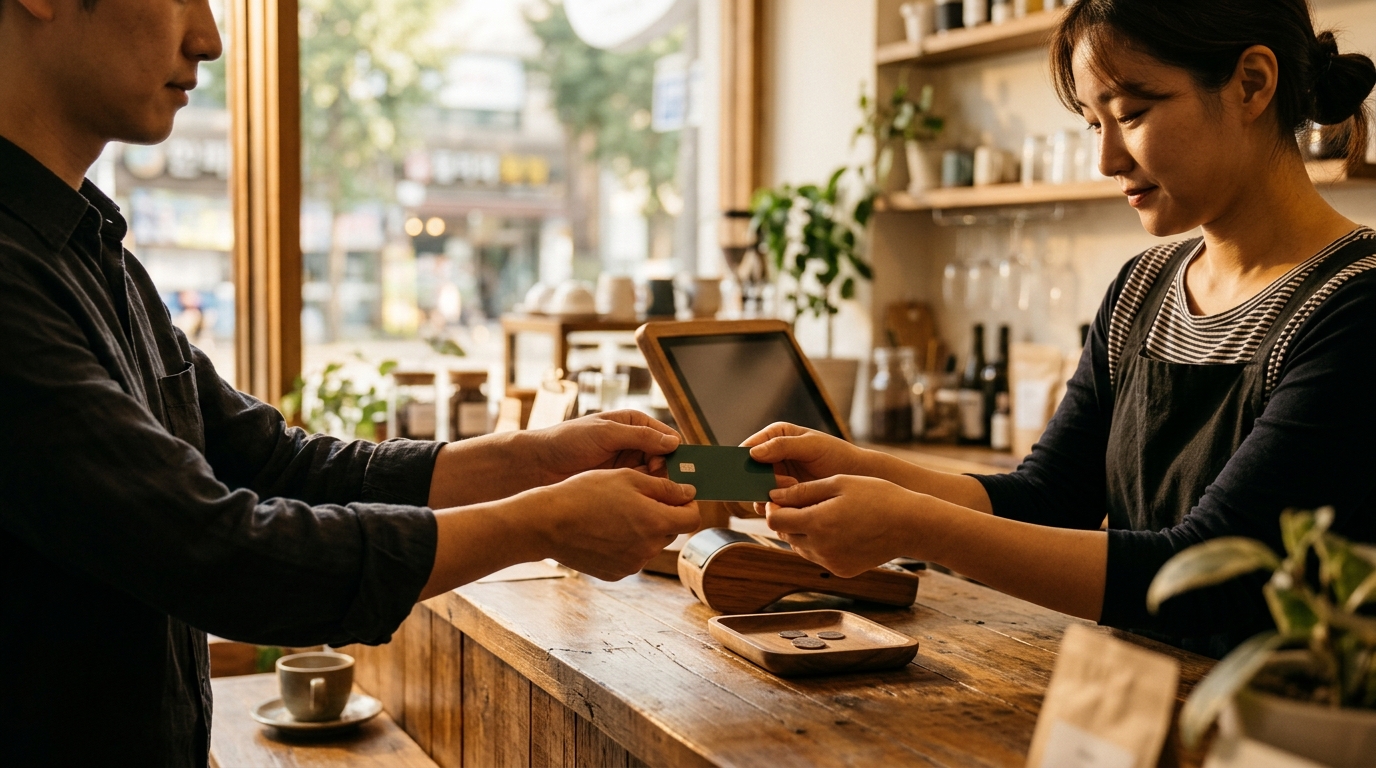
Most major venues accept foreign Visa and Mastercard credit cards at the main desk when paying with foreign travel cards. However, space inside individual clothing lockers is limited. While reception desks at larger venues will store luggage behind the counter, smaller neighborhood bathhouses often lack room. Travelers carrying heavy bags should consider storing suitcases at station transit lockers before visiting neighborhood venues.
Top Foreigner-Friendly Jjimjilbangs in Seoul and Busan
For visitors seeking modern amenities, English signage, and easy access, several major spa venues operate across South Korea's main cities.
1. Aquafield (Goyang & Hanam)
Located inside Starfield shopping complexes near Seoul, Aquafield offers themed thermal saunas, rooftop infinity pools, and modern facilities. Entry is capped at 6 hours per ticket, making it suitable for day visits rather than overnight stays.
2. Spa Land Centum City (Busan)
Situated inside Shinsegae Department Store in Busan, Spa Land features over 20 thermal baths fed by natural underground spring waters, alongside outdoor foot spas and cooling rooms.
3. Sparex Dongdaemun (Seoul)
Located on basement levels inside Good Morning City mall in Seoul, Sparex provides hanok-style wooden pavilions, large sleeping zones, and 24-hour operations suitable for budget travelers.
4. Cimer at Paradise City (Incheon)
A European-style art spa near Incheon International Airport featuring infinity pools, virtual spa rooms, and traditional Korean thermal kilns. It offers a convenient stop before catching evening flights.
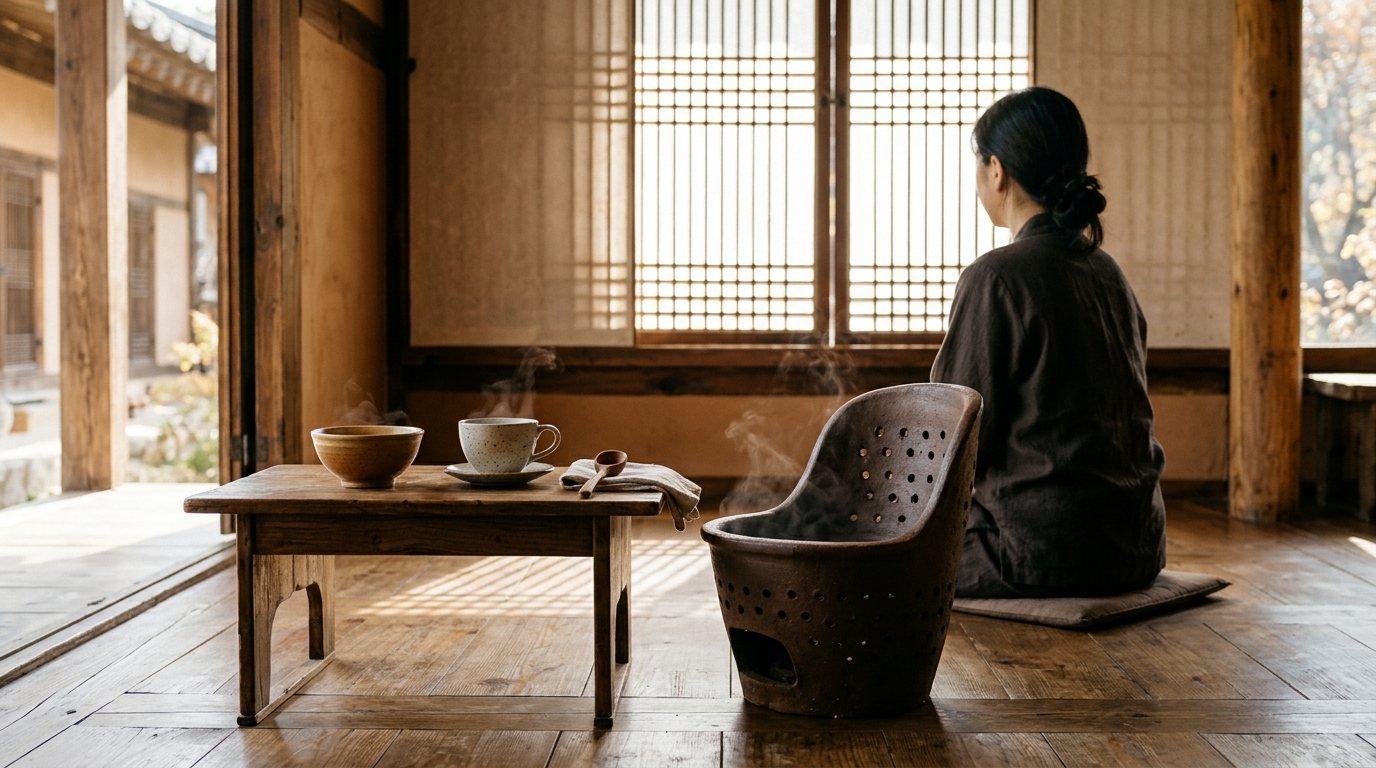
Visitors interested in traditional wellness practices beyond thermal saunas can also explore specialized wellness experiences such as Korean mugwort steaming treatments for targeted heat therapy.
Frequently asked questions
Q. Do I have to be completely naked in a Korean bathhouse?
Complete nudity is mandatory inside gender-segregated wet bath halls (mogyoktang) in Korean bathhouses to maintain hygiene and water purity. Swimsuits and underwear are prohibited in these wet halls, but guests must wear the provided cotton shirt and shorts uniform inside co-ed thermal sauna areas.
Q. Are tattoos allowed in Korean jjimjilbangs?
Tattoos are broadly permitted in South Korean jjimjilbangs. Unlike Japanese onsens, South Korean public health laws place no legal restrictions on body art in bathhouses, and major venues in Seoul and Busan welcome tattooed international visitors without cover requirements.
Q. Can I stay overnight at a Korean jjimjilbang?
Many 24-hour Korean jjimjilbangs allow overnight stays within a 12-hour or 24-hour admission limit, with guests sleeping on communal heated floors. Note that under South Korea's Youth Protection Act, unaccompanied minors under 19 are legally barred from staying overnight between 22:00 and 05:00.
Q. Can I take photos inside a jjimjilbang?
Taking photos or recording video inside locker rooms, changing areas, and wet bath halls is strictly prohibited under South Korean law. Smartphones must be kept inside lockers or uniform pockets until entering open public lounges where photos do not capture other guests.
Q. Is Dragon Hill Spa in Seoul still open?
Dragon Hill Spa in Yongsan closed permanently during COVID-19 and remains shut. Travelers visiting Seoul should avoid outdated guidebook listings and visit operating venues like Sparex Dongdaemun or Aquafield Goyang instead.