Korean Dining Etiquette: 7 Table Rules Tourists Should Know
Key takeaways
Korean dining etiquette combines Neo-Confucian table manners with modern restaurant practices. Key traditions require waiting for elders before starting, leaving rice bowls flat on the table, and passing items with both hands. Modern venues operate on zero tipping, hidden cutlery drawers, tablet kiosks, and minimum two-portion orders for barbecue.
Mastering Korean dining etiquette makes meals in South Korea far more enjoyable, whether you are eating at a local neighborhood diner or a modern barbecue house. Unlike neighboring countries where holding a rice bowl close to your mouth is standard, Korean custom strictly requires that all rice and soup bowls remain flat on the table throughout the meal. Understanding these social rules helps you avoid accidental missteps while showing respect to your hosts.
Traditional table manners in South Korea stem from Neo-Confucian values that emphasize social hierarchy, respect for elders, and communal harmony. At the same time, modern dining culture in cities like Seoul combines ancient etiquette with high-tech restaurant efficiency, including pull-out table drawers and multi-lingual tablet ordering screens. Official guidelines from Visit Seoul note that knowing traditional dining rules ensures a smooth, enjoyable dining experience.
| Etiquette Rule | Standard Action | Common Mistake to Avoid |
|---|---|---|
| Elders First | Wait for the eldest person to sit and eat first | Starting your meal as soon as food arrives |
| Bowl Grounding | Keep rice and soup bowls flat on the table | Lifting the bowl to your mouth while eating |
| Utensil Placement | Lay chopsticks across your bowl or rest | Sticking chopsticks vertically into rice |
| Drinking Alcohol | Pour and receive drinks with both hands | Pouring your own alcohol or drinking face-to-face with elders |
| Communal Stews | Use clean spoons or serving scoops | Double-dipping personal utensils into shared soup |
| Expressing Thanks | Say Jal meokgesseumnida before eating | Eating in silence without acknowledging the host |
| Paying the Bill | Pay at the front counter; leave 0 KRW tip | Leaving cash on the dining table as a tip |
Rule 1: The Age & Hierarchy Rule — Let Elders Lead the Table
Respect for age and social status governs every Korean dining experience. In South Korea, table manners dictate that the oldest or most senior person at the table must sit first and take the first bite before anyone else begins eating.
When sitting down for a group meal, hold off on grabbing your chopsticks right after dishes arrive. Wait until the senior dining member lifts their utensils and takes an initial bite. In traditional settings, younger guests wait for elders to take the most comfortable seat, which is usually furthest from the door. Try to match your eating pace with the rest of the table so elders do not feel rushed. When the eldest person finishes and places their utensils down, younger diners should wrap up their meal promptly as well.
Rule 2: Bowl Grounding — Why Should You Never Lift Your Rice or Soup Bowl?
Leaving your rice bowl flat on the table is one of the most distinctive features of Korean table manners. In contrast to Chinese or Japanese culture, lifting your rice or soup bowl off the table is considered improper behavior in Korean food culture.
Historically, heavy metal and clay tableware in Korea were too hot and heavy to hold comfortably. Over time, leaving the bowl grounded on the table became associated with civilized household dining, whereas holding the bowl was linked to hasty eating or vagrants. Use your flat stainless steel spoon (sutgarak) for eating rice and broth, keeping the container rested squarely on the tabletop throughout the meal. Bending your upper body slightly toward the table when taking a spoonful is standard practice.
Rule 3: Utensil Taboos — Avoiding Vertical Chopsticks and Cross-Holding
Utensil placement carries deep cultural symbolism across East Asia. Never stick your chopsticks or spoon vertically into a bowl of rice, as this visually mimics the burning of incense sticks at traditional Korean funeral services. Placing chopsticks vertically into rice is associated with ancestral memorial rites (jesa, 제사) and formally called susaet (수삽), reserved exclusively for honoring deceased ancestors.
Korean chopsticks (jeotgarak) are unique because they are traditionally flat and made of stainless steel or metal. Silver and brass utensils were historically used by royalty to detect poisons, leading to the widespread modern adoption of durable metal cutlery. When resting your metal chopsticks or spoon during a meal, lay them across the top of your rice bowl or onto a designated ceramic utensil rest (sujeobatchim). Avoid holding both spoon and chopsticks in one hand simultaneously; standard protocol calls for switching smoothly between them.
Rule 4: The Drinking Protocol — How Do You Pour and Receive Drinks Correctly?
Drinking culture in South Korea follows specific social mechanics, especially when enjoying alcoholic beverages like soju (소주) or beer (맥주) with colleagues or friends. In traditional Korean drinking customs, self-pouring is considered a social faux pas during a group meal.
Rule 5: How Do Shared Banchan Side Dishes and Communal Stews Work?
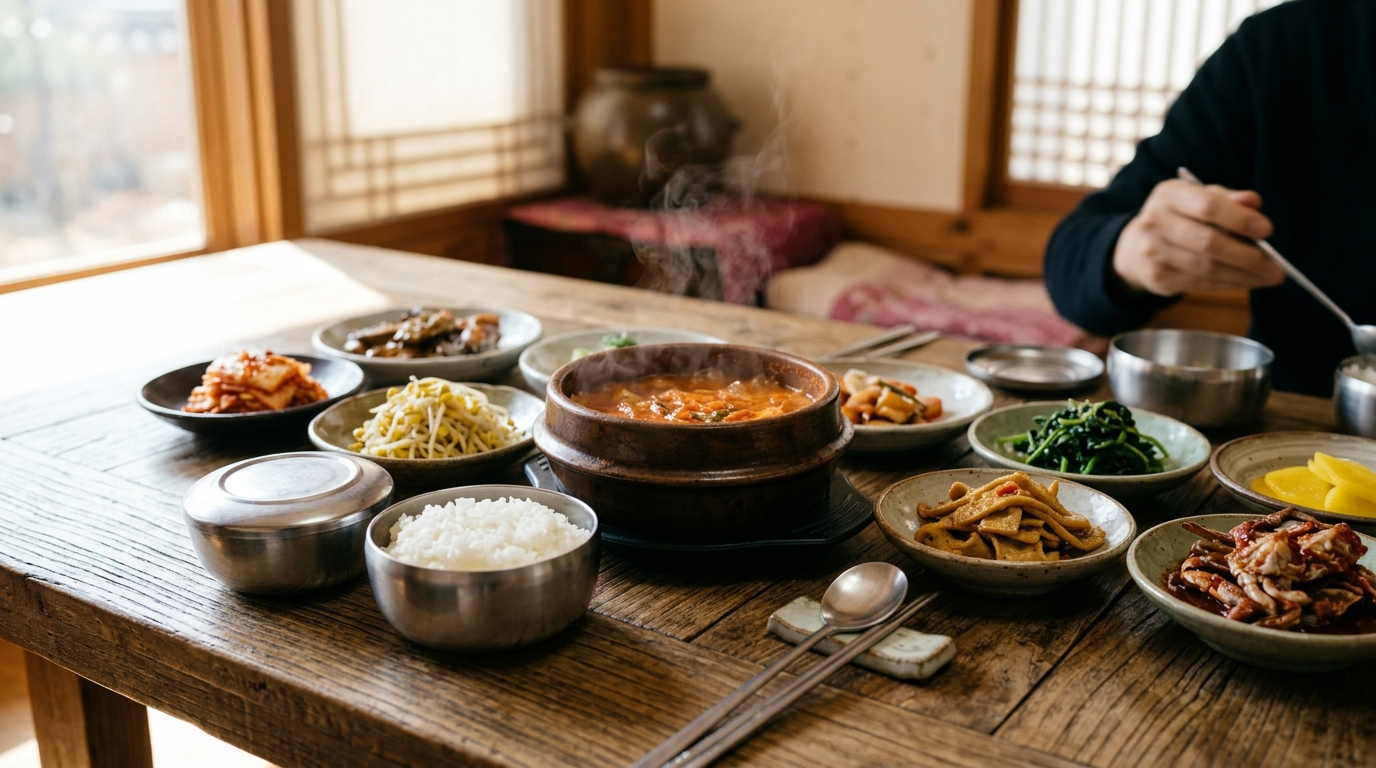
Korean meals are inherently communal, centered around small complimentary side dishes known as banchan (반찬) and shared main stews (jjigae, 찌개). Navigating shared dishes requires balance between group enjoyment and personal hygiene.
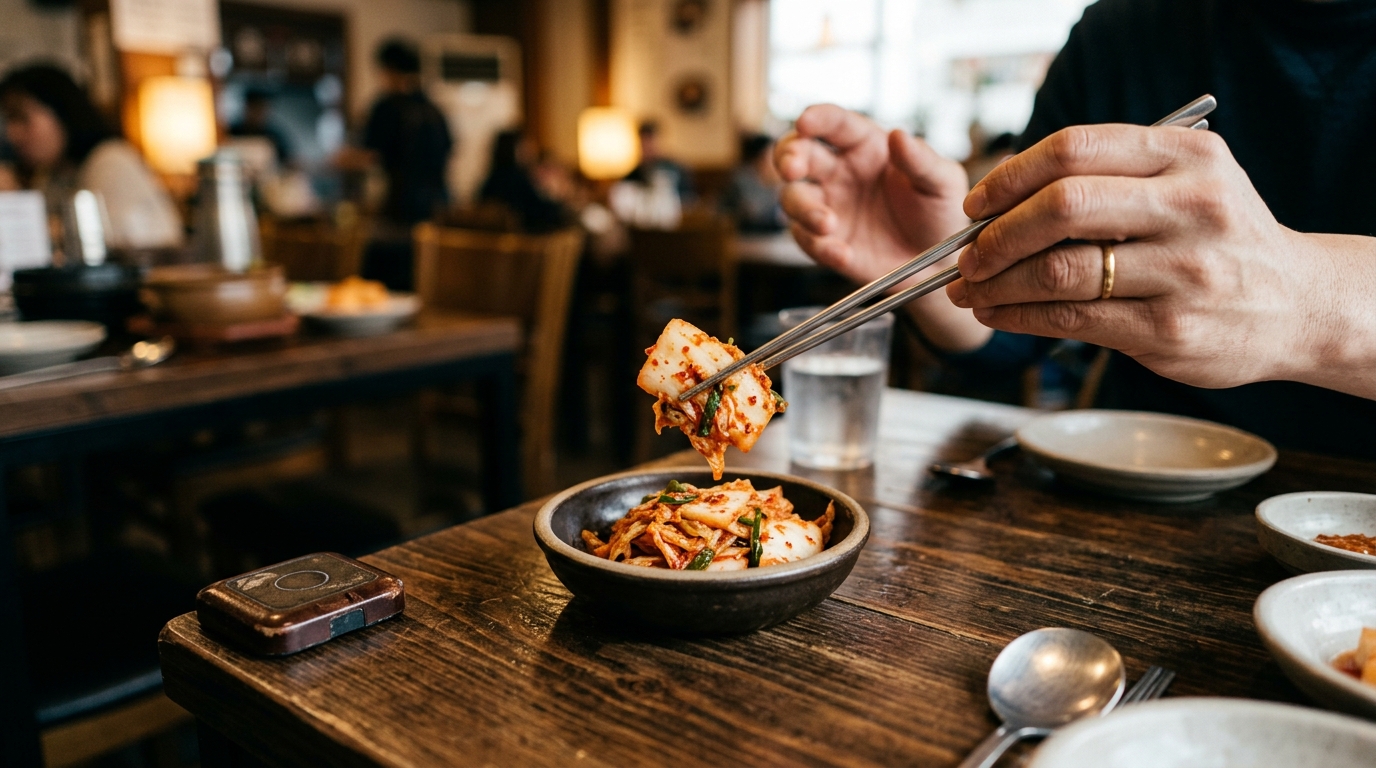
Modern Korean dining standards encourage using serving spoons or dedicated grill tongs when taking food from communal hot pots or central meat grills. While casual dining with close friends often involves eating directly from a central stew pot, it is polite to transfer small portions of soup, kimchi, and meat onto your personal front plate (apjeobsi, 앞접시) before consuming.
Pay attention to social dynamics and nunchi (tact and reading the room). Diners often hesitate to take the last piece of meat or side dish on a platter out of politeness. Rather than grabbing the final portion immediately, offer it to others at the table first.
Rule 6: What Essential Phrases Express Gratitude Before and After Meals?
Expressing gratitude to the cook, server, or dining host is an fundamental part of Korean food culture. Memorizing two simple phrases elevates your interaction from a basic customer experience to a warm, respectful exchange.
Before taking your first bite, say Jal meokgesseumnida (잘 먹겠습니다), which translates literally to "I will eat well" or "Thank you for this meal." Once you have finished your entire meal and placed your utensils down, say Jal meogeosseumnida (잘 먹었습니다), meaning "I have eaten well." If you need to grab a staff member's attention in a restaurant without table buttons, call out politely with Yogi-yo (여기요, "Over here, please"). When leaving small family-owned eateries, shouting a quick Gamsahamnida (감사합니다, "Thank you") to the kitchen staff is always appreciated.
Rule 7: How Do Paying and Tipping Work in Korean Restaurants?
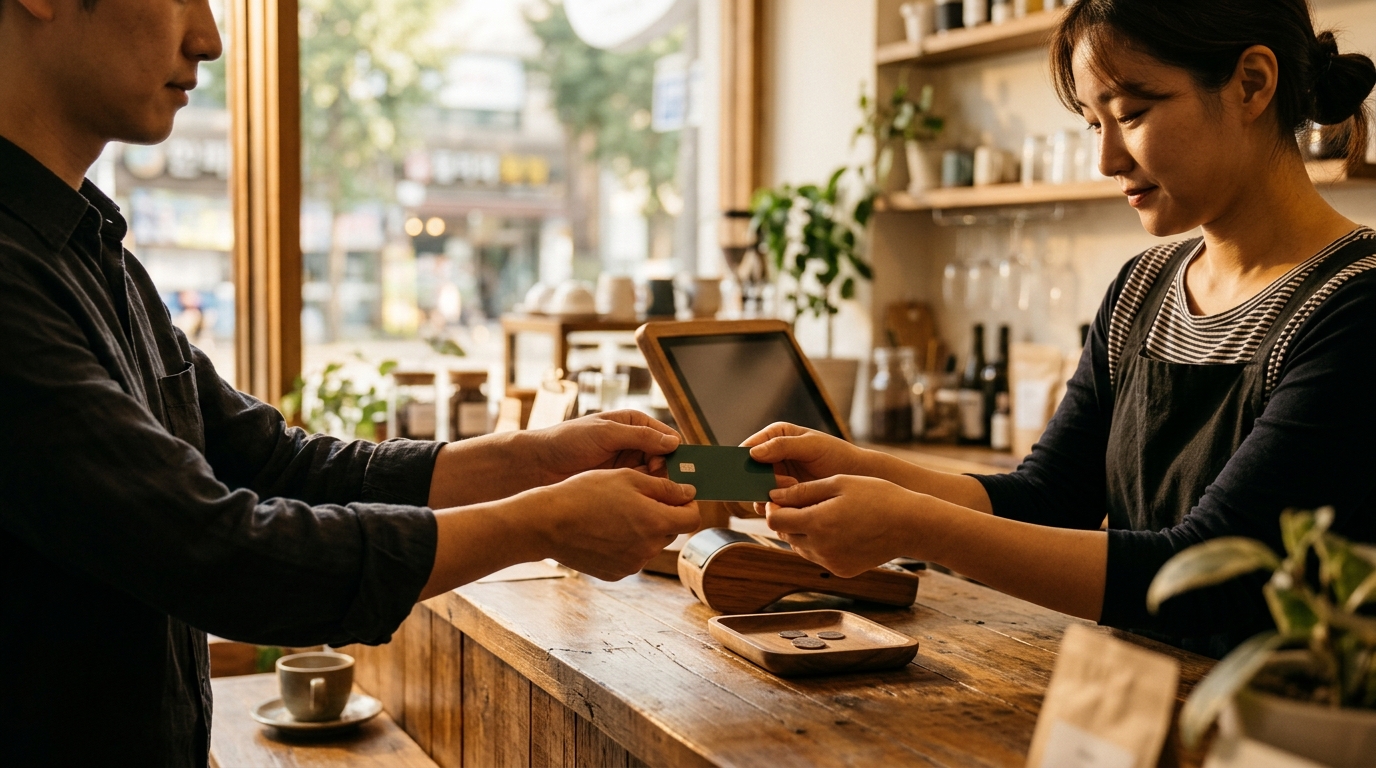
Payment mechanisms in South Korea are distinct from Western hospitality practices. Tipping is strictly non-existent across South Korea, and leaving extra money on a restaurant table can cause confusion or be mistaken for forgotten change. Service charge and taxes are legally included in the menu price displayed.
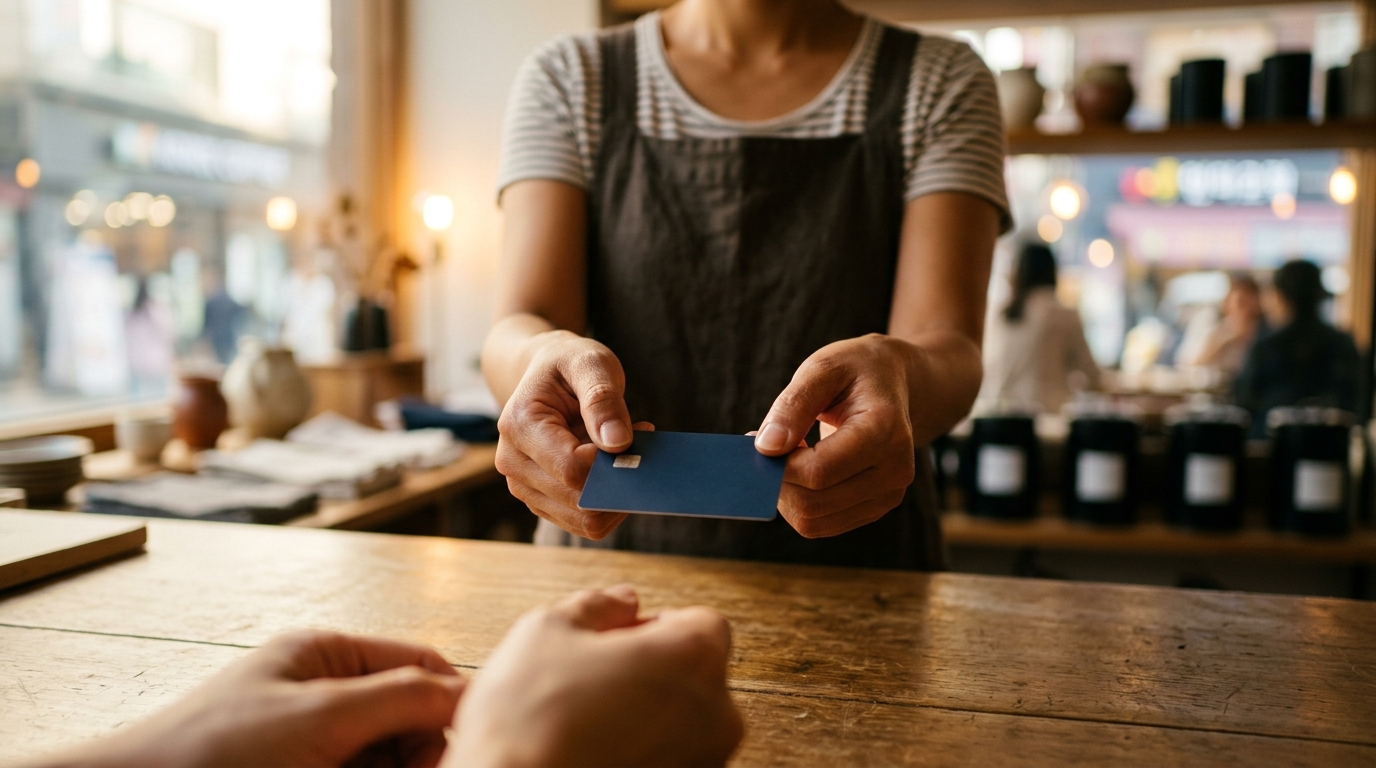
Payment is almost universally handled at the front exit counter rather than at your dining table. When you finish eating, grab your table receipt card—often placed in a small plastic stand on your table—and present it to the cashier at the register near the front door. As of October 2026, virtually all Korean restaurants accept major foreign credit cards (Visa, Mastercard), alongside local reloadable transport and tourist pre-paid cards like WOWPASS, NAMANE, and T-money.
Practical Navigation: How Do You Handle Hidden Table Drawers, Call Buttons, and Self-Service Bars?
First-time tourists in Seoul are often surprised by the layout and self-service hardware inside casual Korean restaurants. Understanding these physical design elements helps you settle into your meal without needing to hunt down staff.
What Should Solo Travelers Know About Tablet Kiosks and 2-Portion Minimum Orders?
Solo dining (honbap, 혼밥) has grown rapidly across South Korea, but specific menu types still enforce traditional group ordering sizes. For a comprehensive overview on shopping and dining practicalities, check guides published on Delivered Korea.
When ordering popular group dishes such as Korean barbecue (samgyeopsal), spicy grilled chicken (dakgalbi), or large hot pots (jeongol), venues usually enforce a strict two-portion minimum order rule (2-inbun isang, 2인분 이상). If you are dining alone at a BBQ joint, you are generally permitted to sit, provided you pay for at least two portions of meat.
Modern Korean restaurants increasingly utilize multi-lingual tablet ordering kiosks mounted directly at each table. These digital screens allow you to select menu items in English, Japanese, or Chinese, request water refills, and call for the check without language barriers.
Why Do Korean Restaurants Use Kitchen Scissors at the Dining Table?
Foreign visitors are frequently surprised when restaurant servers hand them sharp metal kitchen scissors (gawi) alongside tongs at the start of a meal. Using kitchen scissors directly at the dining table is a widespread, highly practical habit in Korean food culture designed for efficiency and convenience.
Rather than being seen as unrefined, dining scissors are essential for cutting long strands of chewy cold noodles (naengmyeon), slicing thick strips of grilled pork belly (samgyeopsal) into bite-sized pieces, or chopping large pieces of whole kimchi and seafood. Scissors allow diners to prepare hot or slippery food quickly right on the table or grill without struggling with knives and forks.
How Should You Handle Table Hygiene, Nose Blowing, and Sneezing?
Table manners regarding personal hygiene carry strict social boundaries in South Korea. While sniffling quietly during a spicy stew meal is generally overlooked, blowing your nose directly at the dining table is considered extremely unhygienic and disrespectful to fellow diners.
If you need to clear your nose, politely step away from the dining table and visit the restroom or clear your nose outside the main dining area. Additionally, if you need to cough or sneeze during a meal, turn your body completely away from the table and cover your mouth with your elbow or tissue to maintain a clean environment for everyone sharing the meal.
Frequently asked questions
Q. Is it rude to lift your rice bowl in Korea?
Yes, lifting your rice or soup bowl off the table is considered improper in Korean dining etiquette. Historically associated with hasty dining, tradition dictates leaving bowls flat on the table and using your stainless steel spoon to bring rice or broth to your mouth.
Q. Do you tip at restaurants in South Korea?
No, tipping is strictly non-existent across South Korea (0 KRW). All service fees and taxes are legally included in the menu price. Leaving cash on the table will confuse restaurant staff, who may chase you down thinking you forgot your change.
Q. Why are Korean chopsticks made of flat metal?
Korean chopsticks are traditionally made of flat stainless steel for hygiene, durability, and historical preservation. Historically, royal courts used silver chopsticks to detect poison in food, a tradition that evolved into widespread daily use of flat metal utensils.
Q. Where are utensils and napkins located in Korean restaurants?
In most casual Korean restaurants, utensils and napkins are stored inside a pull-out sliding drawer located directly beneath or attached to the side of your table. If the table drawer is absent, utensils are provided in a central container on the table.
Q. How do I call a waiter in a Korean restaurant?
To call a server in a Korean restaurant, press the small call button mounted on the corner of your table. If no button exists, make eye contact and politely say Yogieyo (여기요, "Over here") or Jeogi-yo (저기요, "Excuse me").
Q. Can I eat Korean BBQ alone as a solo traveler?
Yes, but solo travelers must usually meet a two-portion minimum order rule (2인분 이상) at barbecue and hot pot venues. You can dine alone as long as you order and pay for at least two servings of meat.