Korean Royal Court Cuisine in Seoul: Top Dining Spots & Rates
Key takeaways
Korean royal court cuisine in Seoul offers traditional multi-course imperial meals ranging from 66,000 KRW to 270,000 KRW as of November 2026. Top venues like Korea House, Jihwaja, Philkyungjae, and Seokparang serve authentic 12-dish spreads in refined traditional settings. International visitors can book tables via Catchtable Global using foreign credit cards.
Experiencing Korean royal court cuisine in Seoul offers a direct connection to Joseon Dynasty history, featuring multi-course meals once reserved exclusively for monarchs. Full imperial meal courses typically run between 66,000 KRW and 270,000 KRW per person based on the venue, dish selection, and lunch or dinner timing. Here is a practical breakdown of Seoul's premier court dining venues, current course rates as of November 2026, and how international visitors can secure reservations.
Unlike standard contemporary Korean dishes, traditional royal recipes emphasize subtle, unmasked flavors rather than sharp chili heat. Historical records note that ingredients arrived as regional tributes from Korea's eight provinces, bringing together seasonal harvests from mountains, fields, and coasts.
What Is Korean Royal Court Cuisine (Gungjung Eumsik)?
Korean royal court cuisine, known in Korean as gungjung eumsik (궁중음식), represents the refined culinary tradition developed inside royal palaces during the Joseon Dynasty (1392–1910). The tradition relies heavily on yaksikdongwon (약식동원), the traditional philosophy that food and medicine share identical origins.
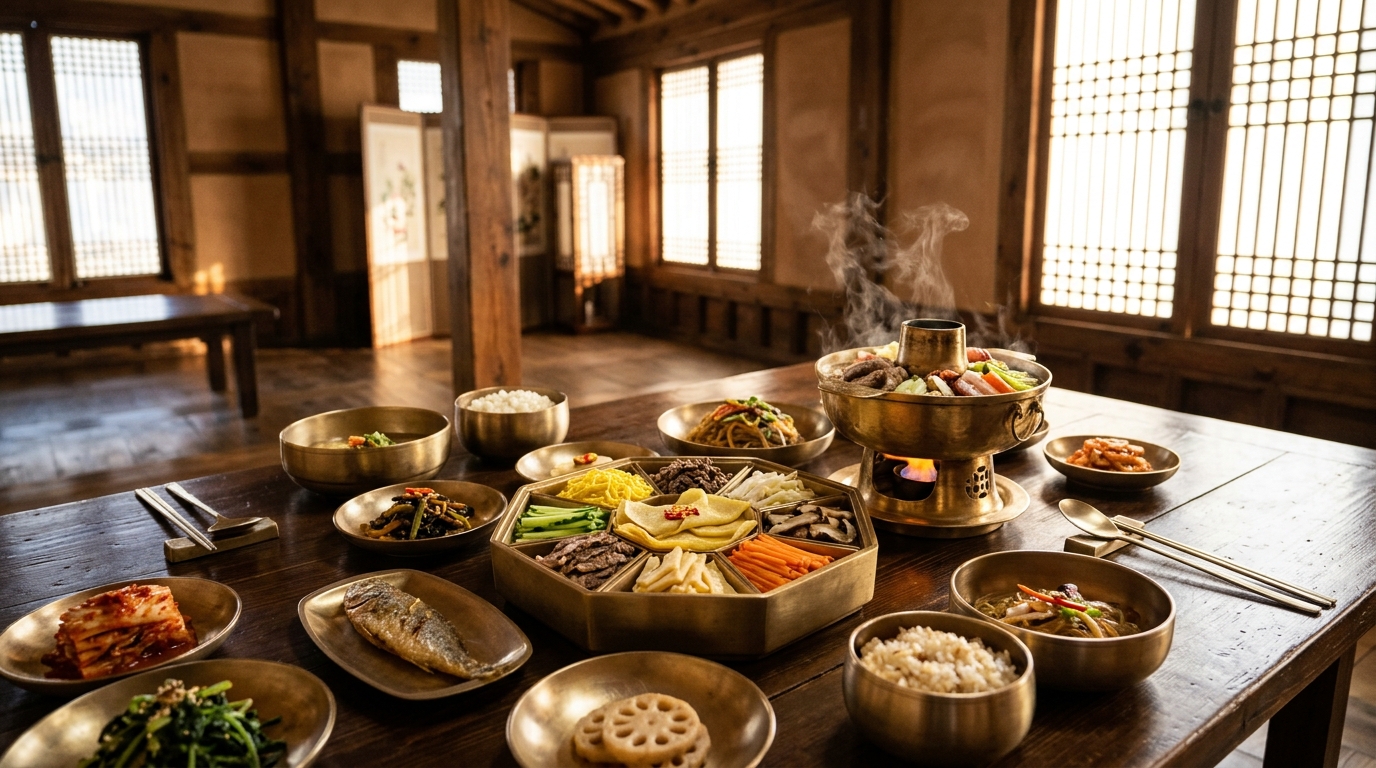
The monarch's standard daily meals were called surasang (수라상). A standard daily spread centered around rice, stews, soups, and hot pots accompanied by 12 specific side dishes (sip-i-cheop surasang, 12첩 수라상). Chefs relied on aged soy sauce (ganjang), toasted sesame oil, and natural aromatics rather than intense spices or modern synthetic seasonings.
Courses are served in bangjja yugi (방짜유기), hand-hammered Korean bronze tableware made with a 78:22 copper-to-tin ratio. Beyond holding heat effectively, yugi held practical historical value: the alloy discolors quickly when brought into contact with poisonous compounds.
Core Signature Royal Dishes
- Gujeolpan (구절판): An octagonal wooden platter divided into nine sections, holding eight finely shredded vegetable and meat fillings around a center stack of thin wheat pancakes (milsam).
- Sinseollo (신선로): A complex royal hot pot cooked at the table inside a chimneyed brass pot, packed with layers of meatballs, fish pancakes, seafood, mushrooms, and nuts simmered in rich beef broth.
- Jeonbok-cho (전복초): Fresh abalone gently braised in a reduced sweet soy glaze finished with toasted pine nuts.
- Eomandu (어만두): Delicate white fish fillets thin-sliced and used as dumpling wrappers to enclose seasoned minced beef and mushrooms.
Before heading out to traditional establishments, reviewing basic Korean dining etiquette helps set expectations for service and meal pacing.
Top High-End Royal Dining Spots in Seoul & Course Rates
Seoul houses several premier dining institutions dedicated to preserving authentic imperial recipes. Prices and available menus vary based on whether you visit during lunch hours or book a full evening banquet course.
| Restaurant | District / Neighborhood | Course Price Range (KRW) | Signature Course / Specialty |
|---|---|---|---|
| Korea House (한국의집) | Chungmuro, Jung-gu | 120,000 – 250,000 KRW | Haerin Course, Traditional Performance |
| Jihwaja (지화자) | Seochon, Jongno-gu | 68,000 – 200,000 KRW | Daejanggeum & Imperial Banquet Courses |
| Philkyungjae (필경재) | Suseo, Gangnam-gu | 66,000 – 270,000 KRW | Sura Course, 500-Year Hanok Heritage Setting |
| Seokparang (석파랑) | Buam-dong, Jongno-gu | 88,000 – 250,000 KRW | Imperial Villa Dining, Seasonal Pine Nut Porridge |
Note: Rates are listed as of November 2026 and exclude alcoholic beverages or special seasonal supplements.
Sources: Korea House Official, Jihwaja Official.
Korea House (한국의집)
Located near Namsangol Hanok Village in central Seoul, Korea House operates under the National Heritage Promotion Agency (formerly Korea Cultural Heritage Foundation). Korea House delivers a complete cultural experience, offering traditional musical performances alongside multi-course royal banquets in historical timber pavilions.
Lunch set menus start near 120,000 KRW, while complete evening imperial tasting courses reach 250,000 KRW per guest. Visitors looking for a concise introduction to royal treats can visit Kohojae, an on-site tea service offering seasonal court desserts for roughly 30,000 KRW per seat.
Jihwaja (지화자)
Positioned near Gyeongbokgung Palace in Seochon, Jihwaja was founded by the late Hwang Hye-sung, designated an Intangible Cultural Property asset for her life's work researching Joseon court cooking. The kitchen retains a strict commitment to historical accuracy.
Weekday lunch courses start at 68,000 KRW, providing one of the most accessible entry points for authentic royal dining. Full banquet menus, including the Janggeum Course (named after the famous Joseon royal female physician) and the Imperial Banquet Course, range between 130,000 KRW and 200,000 KRW.
Philkyungjae (필경재)
Situated in Gangnam's Suseo neighborhood, Philkyungjae operates inside a preserved 500-year-old hanok structure originally built during King Seongjong's rule. Designated Traditional Building No. 1 by the Ministry of Culture and Information in 1987, the property features private dining spaces facing landscaped courtyards.
Weekday lunch menus begin at 66,000 KRW per person. Full evening options like the Min Course and Sura Course run between 180,000 KRW and 270,000 KRW.
Seokparang (석파랑)
Set against the slopes of Buam-dong in northern Seoul, Seokparang occupies the historic villa grounds once owned by Prince Heungseon Daewongun. Stone paths, bamboo groves, and 19th-century architecture frame the dining rooms.
Midday menus open around 88,000 KRW, while evening tasting courses range from 150,000 KRW to upwards of 250,000 KRW. The kitchen specializes in precise vegetable carving, mustard-dressed salads (gyazachae), and long-simmered stocks.
Palace & Budget Alternatives: Gyeongbokgung Palace Tea & Dining
Full restaurant courses are not the only way to try court recipes; historical royal palace grounds host seasonal food programs at significantly lower price points.
Gyeongbokgung Saenggwabang (생과방)
Saenggwabang originally operated as the palace kitchen branch responsible for royal snacks, herbal teas, and desserts. During spring and autumn public openings, visitors can order directly inside the historic room.
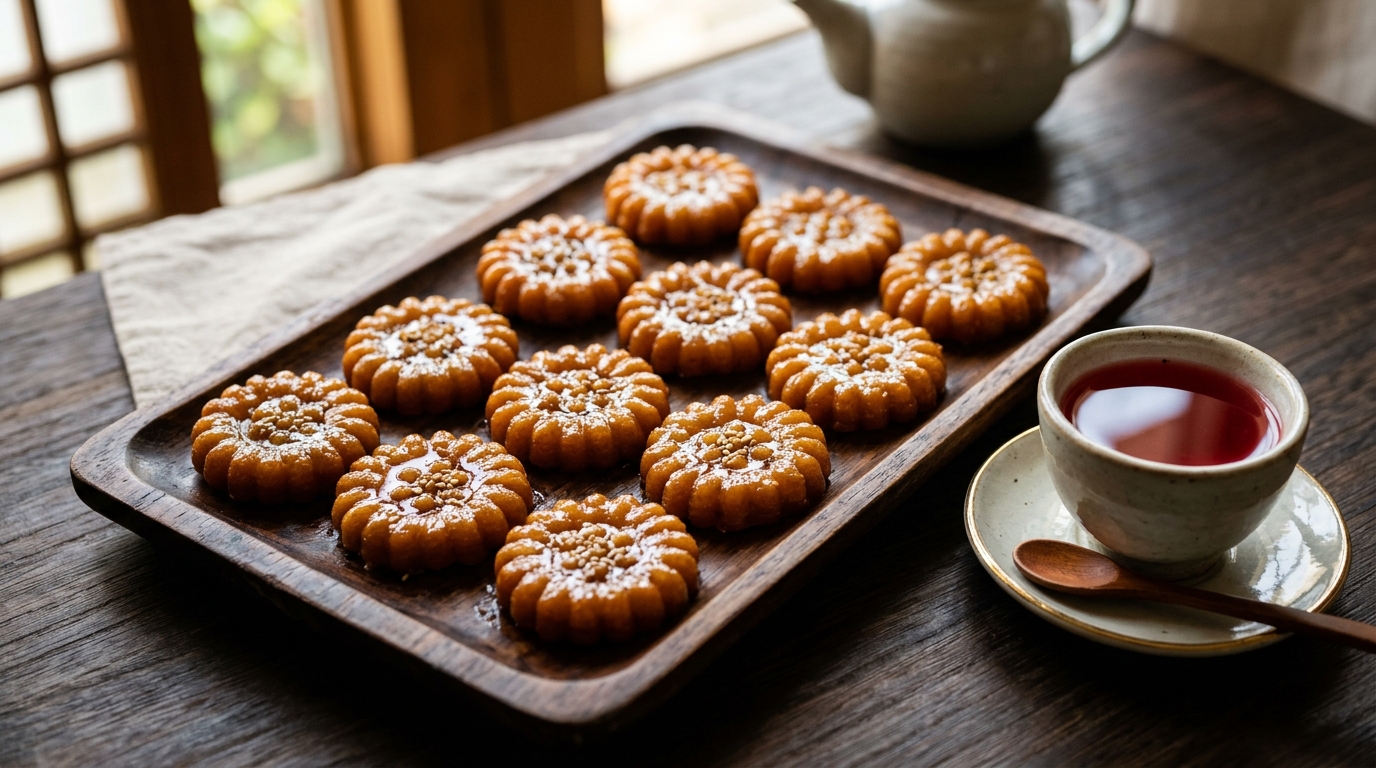
Guests select herbal infusions (yakcha) paired with traditional rice cakes and honey pastries like yakgwa, with sets priced between 15,000 KRW and 25,000 KRW. Many visitors combine this stop with a costume rental; details are covered in our guide to Seoul hanbok rentals and free entry rules.
Taste of Suragan (수라간 시식공감)
Offered during Gyeongbokgung's evening opening periods, Taste of Suragan serves a night meal inside the palace grounds. Guests receive a 12-dish meal box styled after court rations inside traditional brass containers, accompanied by live instrumental performances.
Tickets generally run 60,000 KRW to 70,000 KRW per seat. Seats are strictly limited and require advance booking on ticketing portals like Interpark Global during seasonal releases.
How to Book Royal Court Dining Spots Without a Korean SIM Card
While many domestic restaurant booking apps demand a local mobile number, foreign travelers can use dedicated English platforms to reserve seats ahead of time.
For a full step-by-step app setup, see our walkthrough on configuring the CatchTable Global app.
Hanjeongsik vs. Gungjung Eumsik: Is High-End Palace Dining Worth It?
A frequent question among visitors is whether spending 150,000+ KRW on gungjung eumsik delivers a distinctly different meal than standard multi-dish Korean spreads (hanjeongsik, 한정식).
Standard hanjeongsik grew out of noble family dining styles and centers on bold, punchy flavors—think spicy pork, soy-marinated crab, garlic-heavy side dishes, and robust stews. It offers a hearty meal that typically costs between 25,000 KRW and 60,000 KRW per guest.
By contrast, authentic gungjung eumsik prioritizes subtle seasoning balance and historical precision over heavy spice or salt. Preparing it demands extensive prep work: Gujeolpan requires meticulous hand-shredding of individual ingredients, while broth bases for Sinseollo require hours of slow clarifying.
Matching your personal flavor preferences and budget to the right venue ensures an enjoyable culinary experience in Seoul.
Frequently asked questions
Q. How much does Korean royal court cuisine cost in Seoul?
As of November 2026, standard royal court cuisine courses cost between 66,000 KRW and 120,000 KRW for weekday lunches, while full imperial evening tasting menus at venues like Korea House or Philkyungjae range from 150,000 KRW to 270,000 KRW per person.
Q. Can I walk into royal court restaurants in Seoul without a reservation?
Walk-in dining is rarely available for royal court cuisine. Dishes like Sinseollo and Gujeolpan require hours of intricate prep work, so restaurants require reservations 1 to 4 weeks in advance with a deposit.
Q. How do foreign tourists book royal court dining without a Korean phone number?
Foreign tourists can easily book top royal dining spots like Korea House and Jihwaja using the CatchTable Global mobile app or AutoReserve. These platforms support English registration and accept foreign Visa and Mastercard credit cards.
Q. Is Joseon royal court cuisine spicy?
No, traditional Joseon royal court food is not spicy. Chili peppers were not widely used in royal cooking. Flavor profiles rely on mild soy sauce, pine nuts, sesame oil, and gentle herbal broths served in brass bowls.
Q. What is the difference between Hanjeongsik and Gungjung Eumsik?
Hanjeongsik refers to general multi-dish Korean table spreads featuring bold, modern, and often spicy flavors. Gungjung Eumsik specifically reproduces historic Joseon palace recipes with delicate, low-sodium, non-spicy flavors using royal brass tableware.