Korean Yakgwa and Traditional Sweets: Seoul Shops & Prices
Key takeaways
Korean Yakgwa is a deep-fried traditional sweet made from wheat dough, sesame oil, honey, and ginger syrup. Known for its dense chewiness (*jjonduek*), prices range from ₩1,200 for convenience store packs to ₩35,000 for boutique gift tins as of late 2026. Solid Yakgwa is permitted in airplane carry-on baggage and keeps fresh for 7 to 14 days at room temperature.
Korean Yakgwa and traditional Korean confections, known as hangwa (한과), skip white sugar and butter in favor of honey, grain syrup, sesame oil, and ginger. Right at the center of this lineup is yakgwa (약과)—a dense, deep-fried dough pastry soaked in ginger-honey syrup that has evolved from an ancient ceremonial food into a major dessert trend.
According to data from the Korea Tourism Organization, foreign traveler purchases of traditional confection souvenirs grew by 76.9% year-over-year entering 2024–2026. Whether you want a quick market snack or a luxury gift box in Seoul, knowing the main styles, realistic price ranges, and top shopping spots makes finding authentic sweets straightforward.
What Is Yakgwa? History, Ingredients & Texture Realities
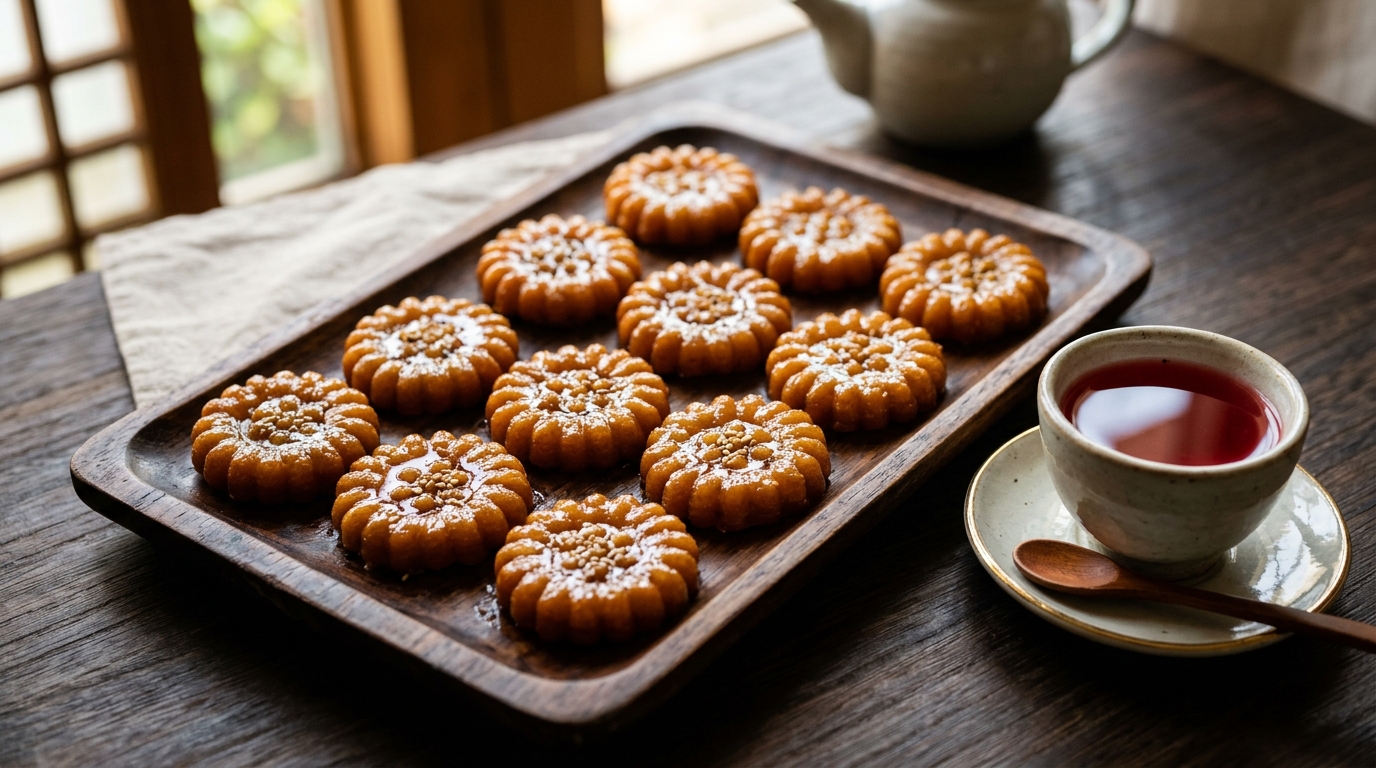
Korean yakgwa is a traditional deep-fried sweet made from wheat flour, sesame oil, honey or grain syrup (jocheong), ginger juice, and rice wine (cheongju). ==The word itself translates literally to "medicine confection," combining yak (약, medicine) and gwa (과, confection)==. Honey and sesame oil were considered precious health restoratives in pre-modern Korea. Because of that, royal chefs treated these honey-drenched wheat cakes as medicinal delicacies served at palace banquets, national celebrations, and ancestral rituals (jesa).
Royal records from the Goryeo Dynasty (918–1392 AD) document Yakgwa on tables at lavish festival banquets. Since honey, sesame oil, and wheat flour required intense labor and high costs during both the Goryeo and Joseon eras, rulers occasionally issued royal decrees limiting Yakgwa production during crop shortages to save farm resources.
Unlike Western pastries that rely on butter and airy dough matrices for a crumbly texture, traditional Yakgwa uses a dual-soaking process. Bakers laminate the dough with sesame oil and rice wine, fry it slowly at low temperatures (120°C to 140°C / 250°F to 280°F) so the interior layers expand, then submerge the warm cakes in ginger syrup for 6 to 24 hours.
That process gives Yakgwa its signature textures:
- Jjonduek (쫀득): A dense, fudgy chewiness that resists slightly before giving way.
- Kkudeok (꾸덕): A heavy, gooey syrup saturation through the dough's inner core.
- Basak (바삭): A light, crisp outer shell created by double-frying.
Gungjung, Gaeseong, or Paji: Which Traditional Type Should You Buy?
Yakgwa pieces differ in look and texture depending on their historical origin and production method. Shapes range from press-molded flower discs to flaky rectangular pastries and broken syrup-drenched pieces.
| Type | Historical Origin | Shape & Visual | Texture Experience | Typical Price Range (KRW) |
|---|---|---|---|---|
| Gungjung-yakgwa (궁중약과) | Seoul Royal Court | Press-molded flower disc (yakkwa-pan) | Dense, soft-chewy, balanced honey & ginger | ₩1,500 – ₩3,500 per piece |
| Gaeseong Mo-yakgwa (개성모약과) | Gyeonggi / Gaeseong | Hand-cut layered rectangle | Flaky like puff pastry, syrup-soaked, crispy | ₩3,000 – ₩5,500 per piece |
| Paji-yakgwa (파지약과) | Modern Artisan Factories | Irregular, broken syrup-soaked chunks | Extra fudgy (kkudeok), maximum syrup saturation | ₩6,000 – ₩10,000 per 500g tub |
Gungjung-yakgwa (Royal Court Flower Style)
This classic floral-edged disc often appears in historical dramas. Pressed into carved wooden molds (yakgwa-pan), it has a steady chew and balanced sweetness, making it the standard choice for gift assortments.
Gaeseong Mo-yakgwa (Flaky Layered Pastry)
Originating from the historic trading center of Gaeseong, this square-cut style involves folding dough multiple times with sesame oil and rice liquor before frying. The resulting layers puff up like French puff pastry, trapping pools of ginger syrup inside dozens of delicate paper-thin crusts.
Paji-yakgwa (Imperfect Broken Pieces)
Once sold as discounted factory seconds, broken pieces (paji) built a major local following. The exposed edges absorb extra jocheong syrup from the vats—roughly double what whole molded pieces hold. The result is maximum chewiness (jjonduek) at budget market prices.
Why Is Yakgwa Viral? The 'Halmaenial' and 'Yakketing' Phenomenon
The revival of traditional sweets owes much to South Korea's Halmaenial trend—combining halmae (grandmother) and millennial. Younger shoppers began gravitating toward retro flavors, picking authentic rice cakes (tteok), puffed grains (gangjeong), and craft Yakgwa over standard imported baked goods.
As small bakeries started producing limited daily batches, demand outstripped supply. That created Yakketing—a blend of Yakgwa and ticketing—where online drops for popular brands like Jangin HanGwa sell out in seconds, much like concert tickets. Social media videos featuring ASMR bites of sticky, syrup-soaked edges boosted interest further.
Modern cafes in Seoul neighborhoods like Seongsu-dong and Hongdae now serve creative spinoffs. You will find craft Yakgwa paired with vanilla affogato, baked into cookies, tucked inside butter bars, or topped with whipped cream cheese.
Where to Buy the Best Yakgwa in Seoul: Transit, Locations & Prices
Seoul offers places to buy traditional sweets across every budget, from neighborhood market stalls to department store counters. Here is a breakdown of physical retail options as of late 2026.
| Store / Location | District & Nearest Subway Station | Speciality Item | Price Range (KRW) | Payment & Service Notes |
|---|---|---|---|---|
| Golden Piece (골든피스) | Yongsan-gu (Itaewon / Hannam)<br>Hangangjin Station (Line 6, Exit 3) | Luxury flavored Yakgwa (Earl Grey, Sesame, Truffle) | ₩23,000 – ₩35,000 per box | Credit card accepted; tourist refund available; English menu |
| Janginder / Jangin HanGwa (장인더) | Seoul Pop-ups / Gyeonggi locations<br>Varies by active popup spot | Authentic Paji-yakgwa (Broken syrup chunks) | ₩6,000 – ₩10,000 per box | High queue times; drink purchase sometimes required |
| Tongin Market Bakeries (통인시장) | Jongno-gu (Seochon)<br>300m from Gyeongbokgung Station (Line 3, Exit 2) | Hand-pressed market Gungjung-yakgwa | ₩1,000 – ₩2,500 per piece | Cash & T-money accepted; card accepted at most stalls |
| Insadong Traditional Tea Houses (인사동) | Jongno-gu<br>Anguk Station (Line 3, Exit 6) | Assorted Hangwa platter with Omija tea | ₩8,000 – ₩15,000 per set | English service available; sit-down tea atmosphere |
| CU / GS25 / Seven-Eleven | Nationwide / All Metro Stations | Commercial packaged Yakgwa & Yakgwa Butter Bars | ₩1,200 – ₩3,500 per pack | All foreign cards accepted; open 24/7 |
Buying at Luxury Boutiques vs. Traditional Markets
For presentation-ready gift boxes, boutique shops like Golden Piece in Hannam-dong pack individual treats into customized metal tins finished with gilded wrapping. Online queue reservations sometimes run through platforms like CatchTable. Department store food halls in Myeongdong (including Shinsegae and Lotte) also feature dedicated traditional candy counters offering royal assortment sets from ₩12,900 to ₩16,900.
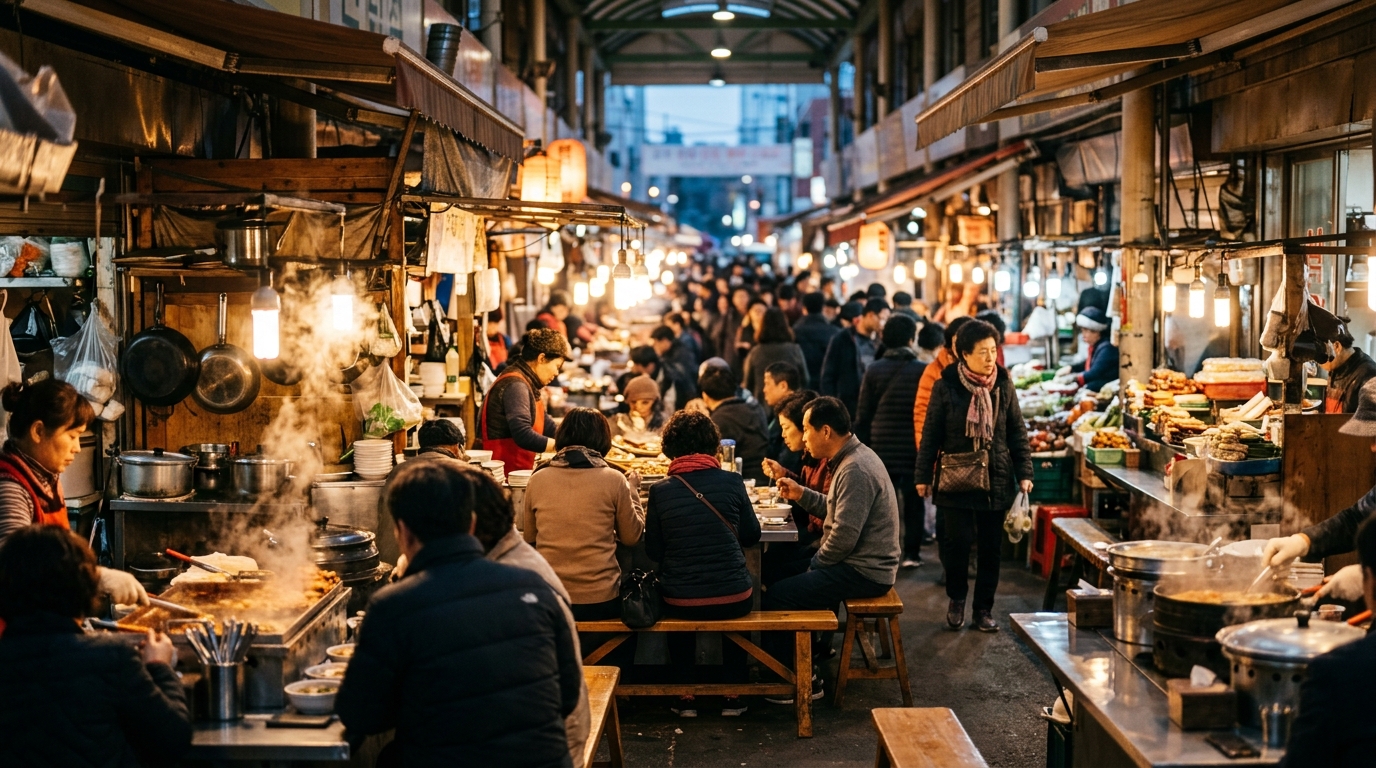
For informal eating or budget souvenirs, traditional spots like Tongin Market or Mangwon Market fry fresh batches daily. Vendors frequently offer 10-piece bundles for ₩8,000 to ₩10,000.
Airport Customs, Baggage Rules & Shelf Life for Travelers
Taking Korean confections home requires checking airline rules and basic food import regulations.
On long flights, keep individual packages in hand luggage to protect them from getting crushed. During warm summer months, keep fresh artisan boxes in a cool bag until you reach your destination.
How Do You Eat Yakgwa Like a Seoul Local? Serving Hacks & Drink Pairings
Eating Yakgwa like a local comes down to managing temperature. Because grain syrup thickens when cold and loosens when warm, slight temperature tweaks change the chew entirely.
Traditional & Modern Drink Pairings
- Omija-cha (Five-Flavor Berry Tea): Tart magnolia berry tea cuts through the rich sesame oil and honey sweetness.
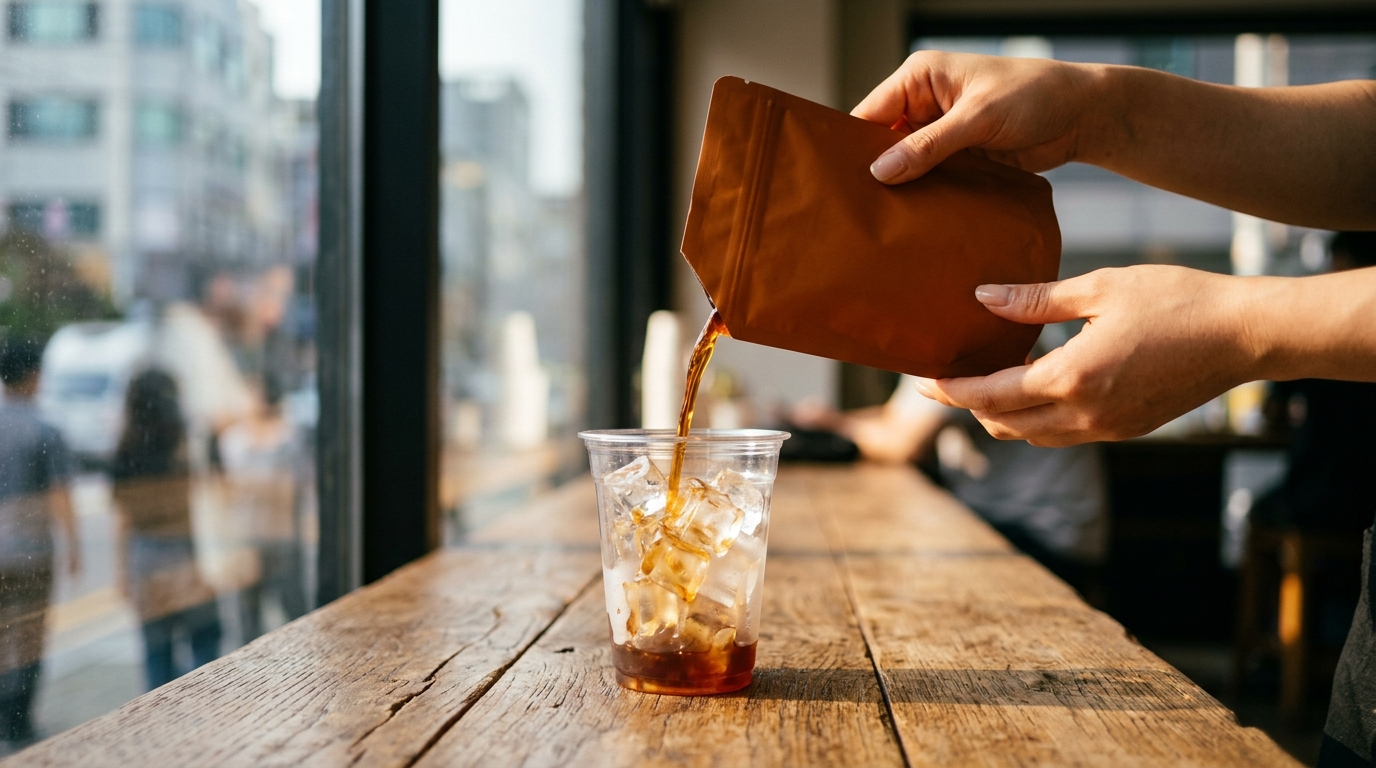
- Iced Americano: Seoul youth routinely order an Iced Americano (Ah-Ah) with jjonduek sweets, letting the coffee bitterness balance the heavy grain sugar notes.
- Rice Wine (Makgeolli): Unfiltered traditional rice wine provides mild effervescence and creaminess that pair smoothly with ginger-soaked Mo-yakgwa layers.
Frequently asked questions
Q. What does Korean Yakgwa taste like?
Korean Yakgwa tastes like a rich, dense honey doughnut infused with ginger and sesame oil notes. Its texture is distinctly chewy and fudgy (*jjonduek*) rather than airy or crumbly. The ginger-honey syrup soaking prevents excessive greasy oiliness while delivering a subtle warmth.
Q. Why is Yakgwa called a medicine cookie?
Yakgwa combines *yak* (medicine) and *gwa* (confection). In traditional Korean medicine during the Goryeo and Joseon dynasties, natural honey, sesame oil, and ginger were valued as rare health restoratives, elevating honey-soaked wheat cakes to functional medicinal treats.
Q. Can I bring Yakgwa on an airplane in my carry-on baggage?
Yes, solid Yakgwa is permitted in airplane carry-on baggage. Because the syrup is fully absorbed into the baked dough core, security treats it as a solid food item rather than a liquid restriction. It also contains no fresh meat or dairy, passing customs easily.
Q. How long does traditional Yakgwa stay fresh?
Artisanal, preservative-free Yakgwa stays fresh for 7 to 14 days at room temperature when kept away from direct sunlight. Commercial vacuum-sealed packages found in supermarkets last 3 to 6 months. To restore texture, microwave chilled pieces for 5 to 8 seconds.
Q. Where is the best place to buy Yakgwa souvenirs in Seoul?
For luxury gift boxes, visit boutique shop Golden Piece near Hangangjin Station (Line 6). For authentic, budget-friendly market packs, visit Tongin Market near Gyeongbokgung Station (Line 3). Convenience stores nationwide sell quick individual packs starting around ₩1,200.