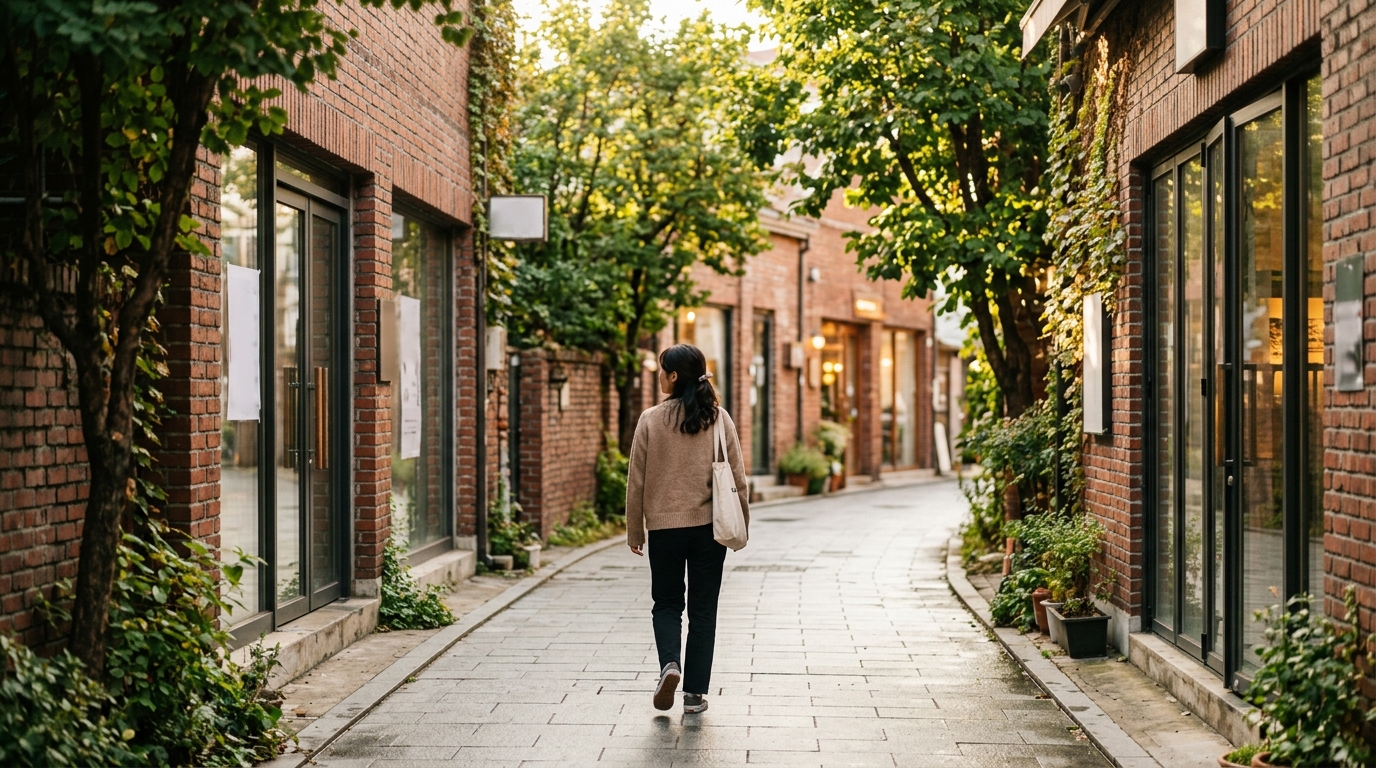
Bukchon Hanok Village Visiting Hours: Quiet Zone Rules & Tips
Key takeaways
Bukchon Hanok Village enforces strict visiting hours from 10:00 AM to 5:00 PM in its primary residential Red Zone (Bukchon-ro 11-gil), backed by a 100,000 KRW fine for non-compliant tourists. Surrounding commercial avenues, cafes, craft centers, and traditional tea houses remain open past 5:00 PM for evening visitors.
Bukchon Hanok Village (북촌한옥마을) sits between Gyeongbokgung Palace and Changdeokgung Palace in Seoul. Because real residents live here, local authorities set clear visiting hours and quiet zones to curb overtourism.
Planning a trip to take photos, visit tea houses, or stay in a traditional wooden home (hanok) requires knowing these neighborhood boundary rules to avoid fines.
What Is Bukchon Hanok Village? (And Why Did the Rules Change?)
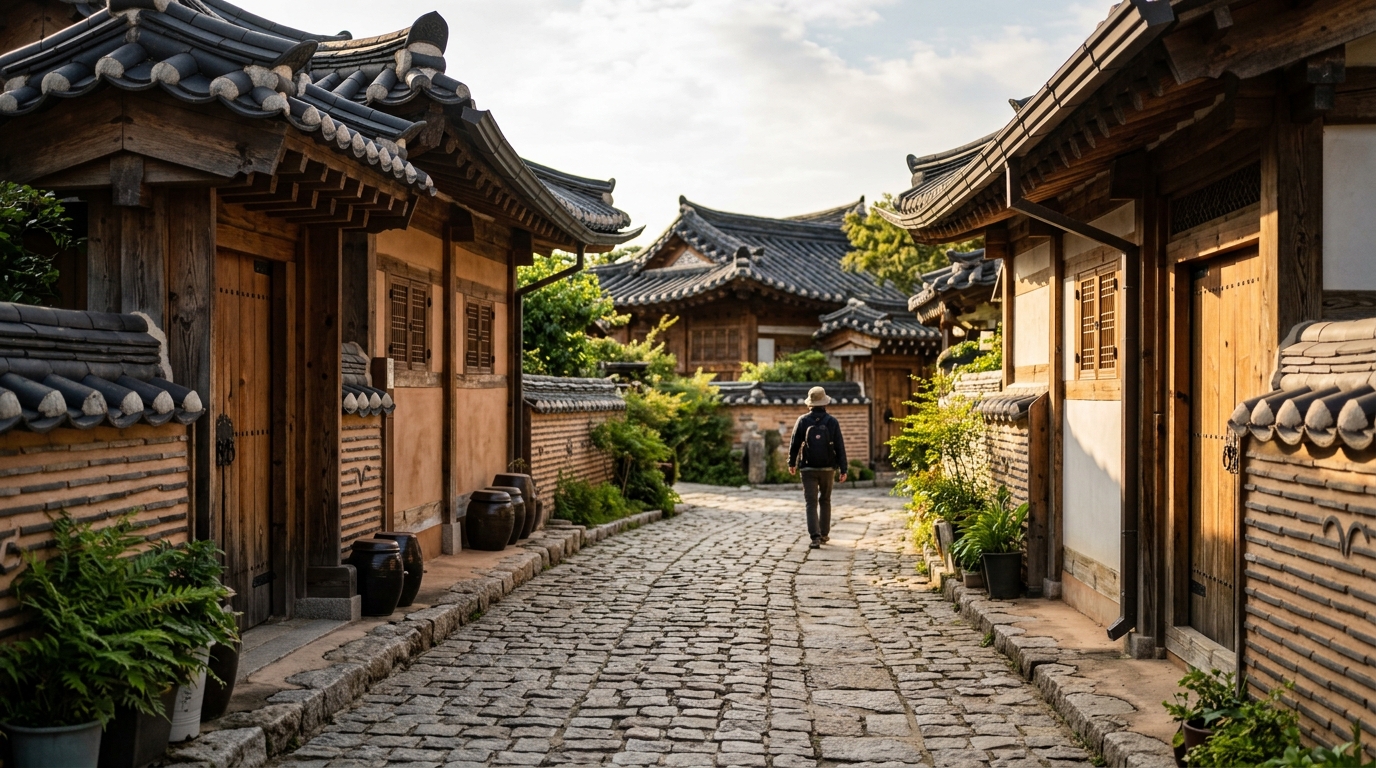
Bukchon Hanok Village is a preserved neighborhood of hundreds of traditional Joseon-era courtyard homes called hanok. Actual families reside inside these wooden structures every day.
Over the past decade, sharp increases in visitor numbers led to significant overtourism challenges. Local residents experienced ongoing noise, litter, loss of privacy, and blocked lanes. According to official notices from the Seoul Metropolitan Government, Jongno-gu designated Bukchon as South Korea's first Special Management Area under Article 48-3 of the Tourism Promotion Act to protect living conditions.
The area uses three color-coded zones: Red (dense residential lanes), Yellow (mixed residential and commercial areas), and Orange (commercial streets). Checking which zone you are walking through prevents unexpected enforcement encounters.
What Are the Official Bukchon Visiting Hours and Red Zone Rules?
Visiting the primary residential alleyways of the Red Zone is strictly limited to 10:00 AM through 5:00 PM, with violators subject to a 100,000 KRW fine. Beyond these hours, lingering or sightseeing in these designated residential streets is illegal.
Enforcement took effect on March 1, 2025, after a grace period. Uniformed municipal officers, known as Bukchon Marshals, patrol with multilingual warning cards. At 4:55 PM, marshals direct visitors on Bukchon-ro 11-gil toward main commercial streets.
The table below breaks down the hours and rules by zone:
| Zone Classification | Key Locations / Streets | Allowed Visiting Hours | Access Restrictions & Rules |
|---|---|---|---|
| Red Zone | Bukchon-ro 11-gil (main residential ridge) | 10:00 AM – 5:00 PM | Tourists banned 5:00 PM–10:00 AM; 100,000 KRW fine for violations |
| Yellow Zone | Bukchon-ro 5-ga-gil, Samcheong-dong side streets | Recommended daytime visits | Soft monitoring; verbal guidance to control excessive noise |
| Orange Zone | Gyedong-gil, Changdeokgung-gil commercial strips | Standard retail hours | Regular commercial access; normal business operation hours apply |
Tour buses cannot load or unload passengers along the main Bukchon-ro corridor. Groups must rely on public transit or use designated outer bus parking.
What Stays Open After 5:00 PM in Bukchon?
The 5:00 PM residential curfew applies specifically to quiet alleyways in the Red Zone, while nearby commercial streets, tea houses, and restaurants remain open for business. You do not have to leave the broader district when 5:00 PM arrives.
Businesses along major streets operate normally into the evening. Traditional tea houses (chatjip, 찻집), craft shops, cafes, and restaurants along main thoroughfares accept customers after residential streets close.
This breakdown shows operating statuses after 5:00 PM:
| Location / Activity Type | Status After 5:00 PM | Special Conditions or Exemptions |
|---|---|---|
| Bukchon-ro 11-gil Alleys | CLOSED to tourists | Open only to local residents and their invited guests |
| Registered Hanok Guesthouses | OPEN | Overnight guests permitted; carry digital or printed booking confirmation |
| Traditional Tea Houses & Cafes | OPEN | Accessible via main roads (Orange/Yellow Zones) |
| Restaurants & Craft Workshops | OPEN | Standard business operating hours (typically until 8:00 PM–10:00 PM) |
| Samcheong-dong Cultural Street | OPEN | Full public access for evening strolls and retail shopping |
Tourists staying at registered Hanok guesthouses within the Red Zone are exempt from curfew fines provided they carry proof of reservation. If you stay inside a hanok located on Bukchon-ro 11-gil, carry your reservation confirmation or key card to show wardens if asked.
What Are the Resident Etiquette and Silent Tourism Rules?
Because residents live right behind the wooden doors, visitors should follow "silent tourism" (jeongjeok gwan-gwang, 정적관광) practices.
Following these guidelines protects daily life for local families. Information provided by Korea Travelatoz points out that considerate behavior keeps the district open to visitors long-term.
How Do You Get to Bukchon Hanok Village and What Are the Costs?
Walking through the public alleyways of Bukchon Hanok Village requires no admission ticket and costs 0 KRW. Optional activities like craft workshops or hanbok rentals carry standard fees.
Transit Options & Costs
- Subway (Recommended): Take Seoul Subway Line 3 to Anguk Station (안국역). Take Exit 2 or Exit 3. Walk straight for about 300 to 500 meters to reach the entrance of Bukchon-ro.
- Public Bus: Seoul City Buses Blue 109, 151, 162, 171, or 172 drop off near Anguk Station or Changdeokgung Palace. Travel fee is paid using a standard T-money card (~1,500 to 1,550 KRW).
- Walking from Nearby Attractions: Bukchon sits between Gyeongbokgung Palace (East Gate) and Changdeokgung Palace (West Gate). You can easily walk to Bukchon within 10 to 15 minutes after visiting either royal palace.
| Expense Category | Typical Cost Range (KRW) | Approx. Cost (USD) | Notes & Payment Tips |
|---|---|---|---|
| Village Admission | 0 KRW | $0 | Free access to public streets and alleyways |
| Subway Fare (Anguk Stn) | 1,550 KRW | ~$1.10 | Paid via T-money, Climate Card, or credit card |
| Hanok Rental (4 Hours) | 15,000 – 30,000 KRW | ~$11 – $22 | Optional; includes accessories and basic hair styling |
| Traditional Tea & Dessert | 7,000 – 15,000 KRW | ~$5 – $11 | Price per item at neighborhood tea houses |
| Craft Workshop Fee | 15,000 – 40,000 KRW | ~$11 – $30 | Crafts like knotting, mother-of-pearl, or pottery |
Before heading over, travelers can verify updated details on portals like Korea Todo.
What Is the Best Step-by-Step Half-Day Itinerary Compliant with the Rules?
Following a structured schedule makes it simple to see the sights while staying compliant with daily visiting hours.
Frequently asked questions
Q. Does Bukchon Hanok Village charge an admission fee?
No, walking through the neighborhood streets of Bukchon Hanok Village is completely free (0 KRW). Individual attractions, tea houses, and craft museums inside the village may charge separate fees.
Q. Can I take early morning photos in Bukchon at 7:00 AM?
No. Tourists are prohibited from entering the residential Red Zone (Bukchon-ro 11-gil) before 10:00 AM. Entering early disturbs local residents and risks on-the-spot warnings or fines from municipal wardens.
Q. What happens if my Hanok stay guesthouse is located inside the Red Zone?
Overnight guests staying at registered Hanok guesthouses inside the Red Zone are exempt from curfew restrictions. Keep a digital or physical copy of your booking reservation accessible to present to wardens if asked.
Q. Where can I get a good view of hanok rooftops after 5:00 PM without violating curfew?
You can enjoy panoramic views of traditional tile rooftops from Baek In-je House observatory, public park terraces near Jeongdok Library, or hilltop cafes along the Samcheong-dong commercial street without entering residential Red Zones.