Korea Strawberry Picking Farm Guide: Top Spots, Season & Booking
Key takeaways
Korea's strawberry picking season peaks from January through April inside warm, high-tech hydroponic greenhouses. Foreign travelers can book experiences in Namyangju or Yangpyeong near Seoul via English travel platforms, enjoying sweet varieties like Seolhyang and Geumsil alongside jam-making workshops.
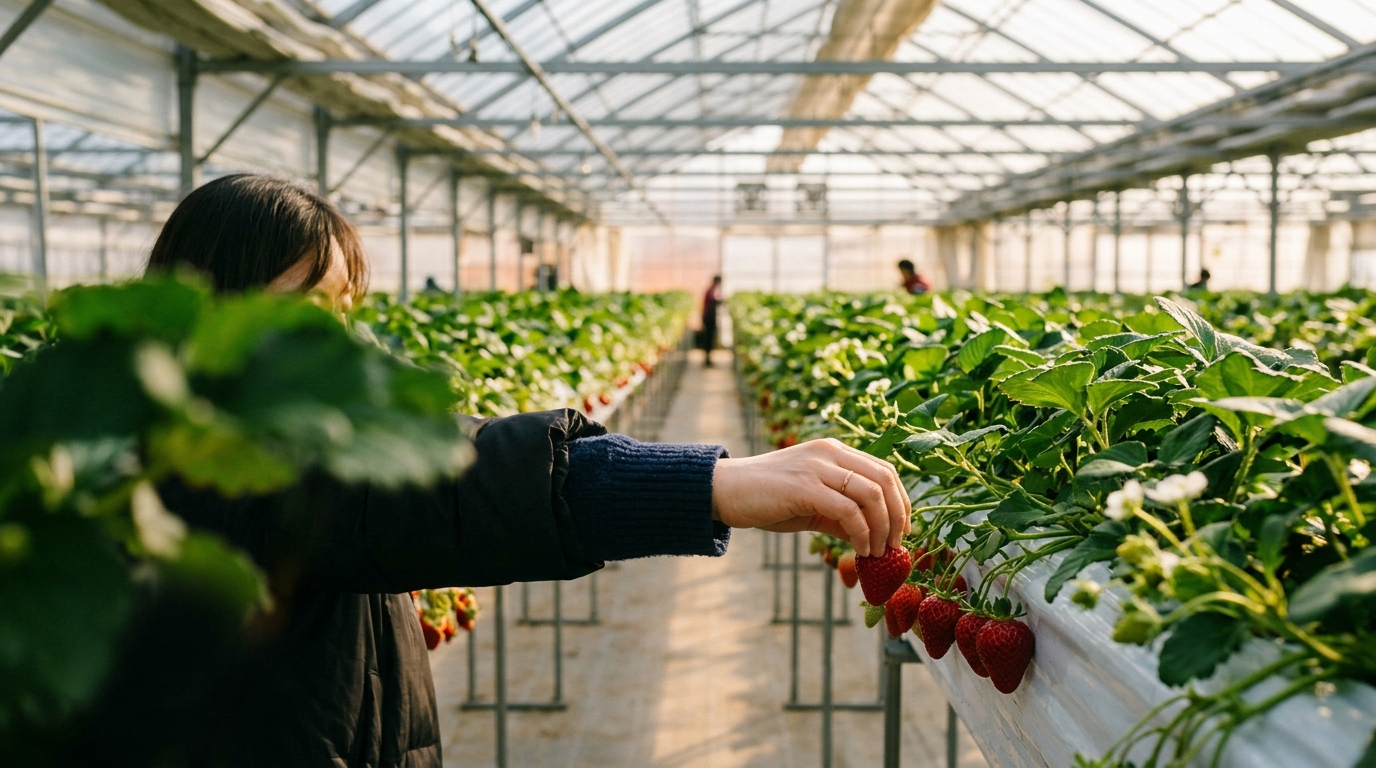
Visiting a Korean strawberry picking farm is one of the most rewarding winter and early spring activities for travelers and families touring South Korea. High-tech greenhouse technology and distinct local berry cultivars give Korean strawberries their famous candy-like sweetness and juicy texture.
While winter outdoor temperatures in South Korea often drop below freezing, stepping inside a heated greenhouse farm feels like entering a warm spring garden. This guide covers peak harvesting seasons, famous fruit varieties, top regional farms near Seoul, step-by-step reservation workarounds for non-Korean residents, and essential farm etiquette.
When Is Korea's Strawberry Season and What Are the Best Months to Visit?
Korea's greenhouse strawberry picking season runs from late November through late May, with the peak flavor window occurring between January and April. Early winter harvests yield the largest and sweetest berries, while late spring brings lower prices and warmer outdoor weather.
Although field-grown strawberries naturally mature in late spring, South Korea's advanced elevated hydroponic systems (goseol jaebae, 고설재배) allow farms to cultivate fruits through cold winters. Cold night temperatures slow down the fruit maturation cycle on the vine, allowing the plants to accumulate higher natural sugar concentrations before harvest. The highest sweetness levels and largest fruit sizes occur between January and March, when cold nighttime temperatures slow fruit growth and allow natural sugars to concentrate.
| Harvest Period | Sweetness (Brix) | Fruit Size | Typical Weather & Atmosphere | Visitor Volume |
|---|---|---|---|---|
| Late Nov – December | High (12–13 Brix) | Large | Cold winter air, fully heated greenhouses | Moderate |
| January – March (Peak) | Maximum (13–15 Brix) | Very Large | Sub-zero outdoor weather, ideal indoor climate | High (Weekend queues) |
| April – Early May | Moderate (10–12 Brix) | Medium | Mild spring weather, great for combined tours | Moderate |
| Late May – Early June | Standard (9–11 Brix) | Small to Medium | Warm spring, end of harvest season | Low |
Planning your visit during weekday mornings from January through March provides access to plump berries before weekend crowds harvest the ripe rows.
What Makes Korean Strawberries Special?
Korean strawberries are renowned across Asia for their soft texture, high moisture content, intense aromatic scent, and balanced sugar-to-acid ratio. Unlike Western cultivars bred primarily for long shelf-life and firm shipping skins, domestic Korean varieties prioritize immediate palatability and fragrance.
The vast majority of farms utilize raised gutter systems located waist-high inside clean, climate-controlled facilities. This high-tech system, known locally as goseol jaebae (고설재배), keeps fruit elevated above the soil, preventing ground contamination and eliminating the need to stoop over muddy garden beds. This makes picking physically comfortable for children and seniors alike.
Comparing Popular Domestic Varieties
Understanding local strawberry cultivars helps you appreciate differences in firm structure, acidity, and honeyed notes during tasting sessions.
| Cultivar Name | Korean Name | Flavor Profile | Texture | Distinguishing Characteristics |
|---|---|---|---|---|
| Seolhyang | 설향 | Sweet-tart, extremely juicy | Soft, velvety melt-in-mouth | Accounts for nearly 90% of Korean production |
| Geumsil | 금실 | Dense honey sweetness, subtle peach aroma | Firm, meaty bite | Higher sugar content and premium export value |
| Kingsberry | 킹스베리 | Mild sweet flavor, floral finish | Soft to medium | Double the size of average strawberries (up to 40–50g) |
| Vitaking | 비타킹 | Tangy sweet, rich in Vitamin C | Firm, crisp structure | Holds shape well in strawberry cake baking workshops |
What Are the Top Strawberry Farms Near Seoul and How Do You Get There?
The most popular and easily accessible strawberry farms cluster in Namyangju (남양주) and Yangpyeong (양평), two scenic districts situated along the Han River northeast of Seoul. These agricultural areas can be reached in under 90 minutes from central Seoul via suburban trains or regional buses.
According to regional travel insights shared on Korea With Littles, choosing a farm close to suburban transit stations saves foreign travelers substantial taxi fares. For instance, Yangsuri Strawberry Farm in Yangpyeong is easily reached via the Gyeongui-Jungang Line to Yangsu Station, followed by a brief walk or 5-minute taxi ride. Similarly, Star Village Strawberry Farm in Namyangju sits near Ungilsan Station on the Gyeongui-Jungang Line. Other destinations, such as Heaven on Earth (헤븐온어스) in Yongin, cater to families seeking budget-friendly packages, animal feeding experiences with rabbits and goats, and relaxed visits without strict time limits.
| Farm Name | Location / Region | Travel Time from Seoul | Transport Access | Nearby Attractions |
|---|---|---|---|---|
| Yangsuri Strawberry Farm | Yangpyeong-gun | ~65 min via Gyeongui-Jungang Line | Walk or 5-min taxi from Yangsu Station | Semiwon Garden, Dumulmeori scenic river |
| Star Village Strawberry Farm | Namyangju-si | ~60 min via Gyeongui-Jungang Line | Bus or short taxi from Ungilsan Station | Dasan Heritage Site, Han River bike trails |
| Heaven on Earth (헤븐온어스) | Yongin / Southern Gyeonggi | ~80 min via express bus + taxi | Requires taxi from local terminal | Korean Folk Village, Everland |
| Gwangju Clean Farm (reportedly) | Gyeonggi Gwangju | ~50 min via Gyeonggang Line | Short taxi ride from Gonjiam Station | Hwadam Forest botanical gardens |
How Can Foreign Tourists Book a Strawberry Farm Without a Korean Phone Number?
Foreign tourists can secure strawberry picking reservations through English-friendly third-party tour portals, direct Instagram direct messaging, or hotel concierge booking services. Most local Korean websites use Naver Booking (네이버 예약), which requires a domestic phone number and real-name identity verification.
Because Naver Booking requires local phone verification, international travelers should secure reservations through English travel portals or direct Instagram messaging.
What Should You Expect on the Farm? (Rules, Costs & Etiquette)
A standard strawberry picking experience costs between 15,000 KRW and 25,000 KRW per person as of late 2026. This fee generally includes entry access and one clear plastic container (usually 500g capacity) to fill and take home.
Many farms offer popular add-on activities such as making homemade strawberry jam (딸기잼 만들기), baking strawberry shortcakes, or feeding farm animals like rabbits and goats. Jam making typically involves crushing fresh berries over low heat with sugar and sealing them in glass jars to keep as souvenirs.
Crucial Greenhouse Etiquette and Picking Technique
To preserve delicate vines and maintain agricultural hygiene standards, all farms enforce strict operational rules:
Day Tour vs. Self-Guided DIY: Which Option Should You Choose?
Deciding between an all-inclusive guided day tour and an independent DIY visit depends on your comfort with Korean public transit, budget preferences, and overall day itinerary.
Independent travel guides on MiddleClass Travel highlight that bundled shuttle tours eliminate transit stress when visiting multiple suburban locations in a single day.
| Feature Comparison | Self-Guided DIY Visit | Organized Day Tour Package |
|---|---|---|
| Cost per Person | 15,000–25,000 KRW (farm fee only) | 70,000–120,000 KRW (all-inclusive) |
| Transportation | Subway, suburban buses, or local taxis | Private chartered shuttle bus from central Seoul |
| Bundled Attractions | Must be planned separately by traveler | Combines Nami Island, Rail Bike, or Petite France |
| Language Barrier | Moderate (requires Naver Map app) | None (English or Chinese tour guide included) |
| Schedule Flexibility | High (stay as long as you wish) | Fixed group timetable |
| Best Suited For | Solo travelers, slow travelers, budget planners | Families with small kids, first-time Korea visitors |
What Practical Travel Tips and Common Mistakes Should You Know?
Navigating rural Korean agricultural areas requires specific preparation to avoid common transportation and environmental pitfalls.
Navigation Apps: Avoid Google Maps
Google Maps does not provide accurate walking or transit navigation in South Korea due to national security mapping restrictions. Before leaving Seoul, download Naver Map (네이버 지도) or KakaoMap (카카오맵). Both apps offer robust English user interfaces, precise real-time bus arrivals, and exact subway exit directions.
Greenhouse Clothing and Layering
Although outdoor winter temperatures range from -10°C to 2°C in Gyeonggi-do, greenhouse interiors are maintained at a warm 18°C to 25°C. Wear heavy winter coats over light removable layers so you can easily strip down while picking fruit without overheating.
International Flight Quarantine Restrictions
Fresh strawberries cannot be brought through customs on return flights due to international agricultural quarantine laws. Agricultural security guidelines strictly prohibit bringing unsealed, uninspected fresh fruits into foreign countries. Always check official agricultural import guidelines before travel, and enjoy your freshly picked berries in your hotel room or during long train rides while in South Korea.
Frequently Asked Questions (FAQ)
Can you eat strawberries while picking inside the greenhouse?
No, eating strawberries inside the greenhouse is strictly prohibited at virtually all Korean farms. This rule is enforced for crop hygiene, chemical safety, and pest prevention. Visitors must harvest their berries into the designated 500g plastic container and enjoy tasting them at designated indoor seating tables after exiting the picking rows.
How do foreign tourists book a strawberry farm without a Korean phone number?
Because local platforms like Naver Booking require Korean phone verification, foreign travelers should book through English booking platforms like Koreal Trip, Klook, KKday, or Trazy. Alternatively, you can message the farm directly on Instagram or request assistance from your hotel concierge in Seoul.
Can I bring fresh Korean strawberries back home on my flight?
No. Fresh, unsealed agricultural products cannot be taken through customs on international flights under strict biosecurity and plant quarantine laws. Always check official agricultural import regulations before traveling, and consume all your harvested strawberries while in Korea.
What is the best way to travel to strawberry farms near Seoul using public transit?
Take suburban rail lines like the Gyeongui-Jungang Line from central Seoul to regional stations such as Yangsu Station or Ungilsan Station in Namyangju and Yangpyeong. From there, take a brief 5-minute taxi or local feeder bus directly to the farm entrance using Naver Map or KakaoMap for step-by-step navigation.
Frequently asked questions
Q. When is the best month to go strawberry picking near Seoul?
The peak window for strawberry picking near Seoul runs from January through March, when cold winter night temperatures encourage maximum sugar buildup (13–15 Brix) and large fruit sizes.
Q. Can foreign tourists go strawberry picking without a Korean phone number?
Yes, foreign tourists can reserve strawberry farm visits through English platforms like Trazy, KKday, and Klook, or by sending direct Instagram messages to farms rather than using Naver Booking.
Q. Are you allowed to eat strawberries while picking inside the greenhouse?
No, farm hygiene and crop safety rules strictly prohibit eating unwashed fruit inside picking rows; guests consume their harvested berries at designated seating tables after filling their takeaway boxes.
Q. How do I get to strawberry farms near Seoul using public transport?
Most popular farms in Namyangju and Yangpyeong are easily reached via the Gyeongui-Jungang line subway route, followed by a short local bus or taxi ride using Naver Map.
Q. Can I bring fresh Korean strawberries back home on my flight?
No, international agricultural quarantine regulations strictly forbid carrying fresh uninspected fruits across borders on international flights; all picked strawberries must be eaten while in Korea.