Ikseondong Hanok Village Seoul Cafes: Top Spots & Rules
Key takeaways
Ikseon-dong Hanok Village in Seoul offers a heavily commercialized network of converted 1920s traditional modern hanoks featuring popular concept coffee shops like Cheong Su Dang and Mil Toast. Situated near Jongno 3-ga Station (Exits 4 and 6), visitors must navigate narrow pedestrian alleys, strict 1-person 1-drink ordering rules, and digital waitlist kiosks as of 2026.
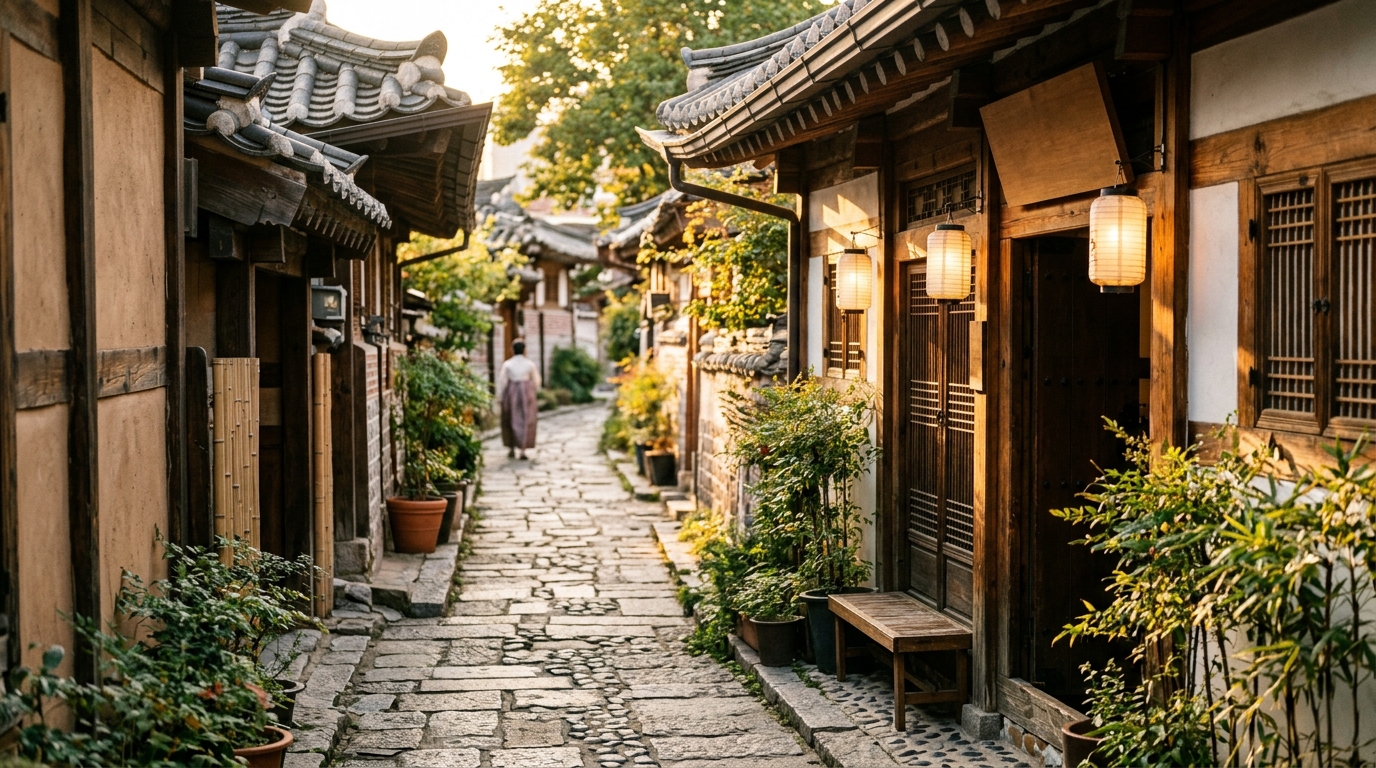
Ikseondong hanok village seoul cafes are located in a historic Seoul neighborhood transformed into a pedestrian area of renovated 1920s modern urban traditional houses, boutique bakeries, and themed coffee shops. Located a short 10-minute walk from Changdeokgung Palace, this compact heavily commercialized district offers one of the most concentrated cafe-hopping experiences in South Korea. Visitors exploring these cafes will find striking visual contrasts where century-old Korean architecture meets modern dessert design and immersive concepts.
Unlike traditional heritage villages preserved purely as residential museums, Ikseon-dong (익선동) functions as a commercial destination designed for foot traffic, photography, and food. Understanding its origins, layout, ordering rules, and waiting systems will ensure a seamless day out in central Seoul.
Why Is Ikseon-dong Different from Bukchon Hanok Village?
Ikseon-dong was built in the 1920s by Korean property developer Jeong Se-gwon (정세권) on land previously belonging to Nu-dong Palace (누동궁). That made it Seoul's first planned modern urban housing project for working-class Korean families. Bukchon Hanok Village (북촌한옥마을) consists of sprawling Joseon-era residential compounds with enforced quiet zones. Ikseon-dong, by contrast, features small-scale urban hanoks built with accessible materials of that era.
In 2018, the Seoul Metropolitan Government designated Ikseon-dong as a Hanok Preservation District. Today, the area is fully commercialized with zero residential noise curfews. The tight grid of narrow alleys, spanning 1.5 to 2 meters wide, keeps the area walking-only and separated from street traffic.
How to Get to Ikseon-dong and Best Visiting Hours
The fastest route to Ikseon-dong Hanok Village is through Jongno 3-ga Station (종로3가역), which serves Seoul Subway Lines 1, 3, and 5. Leaving through Exit 4 puts you directly across from the main alley entrance. Exit 6 brings you right to the eastern edge.
Because the internal corridors measure less than two meters across, peak congestion occurs daily between 1:00 PM and 5:00 PM. To experience the popular cafes without extended wait times, the best time to arrive in Ikseon-dong is around 10:15 AM right before venues open.
| Detail | Information | Notes |
|---|---|---|
| Subway Stop | Jongno 3-ga Station (Lines 1, 3, 5) | Exit 4 or Exit 6 |
| Walking Distance | 10 minutes from Changdeokgung | 12 minutes from Insadong |
| Vehicle Access | Pedestrian only | Taxis must drop off on main road |
| Standard Hours | 10:30 AM – 10:00 PM | Varies slightly by shop |
| Peak Crowds | Weekends 1:00 PM – 5:00 PM | Arrive before 10:30 AM for short lines |
5 Best Aesthetic Hanok Cafes in Ikseon-dong
Ikseon-dong's cafe scene is globally recognized for high-concept interior design that blends natural elements, historic timber framing, and specialized bakery menus. Below are five verified venues based on local popularity and menu distinction.
1. Cheong Su Dang (청수당)
Cheong Su Dang is famous for its forest courtyard entrance featuring a stone step walkway surrounded by tall bamboo, glowing paper lanterns, and a running stream. The interior maintains exposed wooden beams, floor cushions (좌식), and large glass windows overlooking moss gardens. According to visitors, signature items include freshly baked Souffle Castella cakes served in stone pots (13,000 to 18,000 KRW) paired with hand-drip stone filter coffee.
2. Mil Toast (밀토스트)
Mil Toast centers its identity around freshly steamed brioche bread prepared inside traditional bamboo steaming baskets right at the central counter. The space features light pine wood paneling, cream upholstery, and clean glass skylights filling the hanok with soft natural light. Their signature steamed soufflé toast sets (12,000 to 26,000 KRW) come filled with sweet potato, corn, or red bean, accompanied by bottled drip milk teas.
3. Jayeondo Salt Bread (자연도소금빵)
Jayeondo Salt Bread focuses almost exclusively on freshly baked Korean salt bread (so geum ppang), characterized by a crispy outer crust, fluffy interior, and rich French butter flavor enhanced by sun-dried sea salt. The venue operates a fast-moving takeaway counter housed in a traditional roof structure. Salt bread is sold strictly in standardized sets of 4 pieces for 12,000 KRW, with fresh baking batches released at six designated times throughout the day.
4. Soha Salt Pond (소하염전)
Soha Salt Pond incorporates a rural salt flat aesthetic into its open-air courtyard, featuring miniature white salt mountains, wooden push-carts, and a working waterwheel. Guests can enjoy savory salt breads, soft-serve sea salt ice cream, and whipped butter cream rolls (4,000 to 7,500 KRW per item) alongside signature salted cream iced lattes.
5. Nakwon Station (낙원역)
Nakwon Station features a miniature railway track running through its central courtyard garden, lined with retro station clocks and hanging lanterns. The menu spotlights seasonal dessert cakes presented on a rotating conveyor belt inside the main lounge, alongside signature charcoal latte beverages (6,500 to 9,000 KRW).
| Cafe Name | Primary Theme | Signature Menu Item | Average Price Range (KRW) |
|---|---|---|---|
| Cheong Su Dang | Lantern forest & moss garden | Souffle Castella & Drip Coffee | 7,500 – 18,000 |
| Mil Toast | Minimalist steam bakery | Steamed Bamboo Basket Toast | 8,000 – 26,000 |
| Jayeondo Salt Bread | Rustic traditional bakery | 4-Pack Salt Bread Set | 12,000 (Set price) |
| Soha Salt Pond | Rural salt flat & waterwheel | Salt Butter Rolls & Salt Ice Cream | 4,500 – 8,000 |
| Nakwon Station | Retro railway courtyard | Coal Dessert Cakes & Signature Lattes | 6,500 – 9,500 |
Essential Cafe Etiquette and Queueing Systems
Visiting Korean cafes comes with specific rules that foreign tourists often run into for the first time. Knowing how these spots handle drink orders and queues keeps things moving smoothly.
The Strict 1-Person 1-Drink Policy (1인 1메뉴)
Almost all coffee shops in Ikseon-dong enforce a "1-person 1-drink" policy (il-in il-menyu, 1인 1메뉴). This rule requires every adult sitting down to purchase their own individual beverage.
How to Use CatchTable Waitlisting Without a Korean Phone Number
For popular spots like Cheong Su Dang or Mil Toast, entry queues run through digital kiosks at the front door using the CatchTable (캐치테이블) platform.
Foreign Credit Cards and Cashless Payments
Every brick-and-mortar cafe, restaurant, and retail boutique inside Ikseon-dong accepts international credit and debit cards, including Visa, Mastercard, and American Express. Foreign card chip readers are universal throughout Ikseon-dong, and many stores are entirely cashless.
Photo Spots and Evening Transformation
Ikseon-dong offers great photo opportunities during the day and takes on a completely different feel after sunset.
Key Photography Spots
- Alley Intersections: Look for narrow junctions where hanging fabric banners, vintage streetlamps, and clay tile roofs (giwa) frame the background.
- Self-Photo Booths: Ikseon-dong houses numerous retro self-photo studios (such as Life Four Cuts / 인생네컷) outfitted with period costumes, Hanbok rental accessories, and historic interior decor.
- Courtyard Entrances: The open stone entry pathways at Cheong Su Dang and Nakwon Station's train tracks offer instantly recognizable framing.
The Nighttime Shift: Pojangmacha Tent Bar Street
Around 6:00 PM, the eastern edge of Ikseon-dong near Jongno 3-ga Exit 6 turns into Seoul’s largest strip of traditional outdoor tent bars, known as pojangmacha (포장마차).
Local office workers and tourists head to bright tents along the street for classic Korean food and drinks. Popular choices include grilled hagfish (kjang-eo), seafood green onion pancakes (haemul pajeon), spicy stir-fried squid, and beer or soju. It is a lively night scene compared to the quiet cafes operating inside the alleys during the day.
Planning a 1-Day Seoul Heritage Itinerary
Because Ikseon-dong sits centrally in Jongno-gu, it links easily with a walking tour of Seoul's historic sites, as shown on regional maps from Korea Todo.
[09:30 AM] Changdeokgung Palace & Secret Garden
       │ (10-min walk south)
[11:30 AM] Ikseon-dong Hanok Village (Lunch & Cafe Hopping)
       │ (10-min walk west across main street)
[03:00 PM] Insadong Cultural Street & Antique Shops
       │ (15-min walk west)
[05:30 PM] Gyeongbokgung Palace or Gwanghwamun Plaza
       │ (10-min walk back east)
[07:00 PM] Ikseon-dong Exit 6 Pojangmacha Tent Street (Dinner & Drinks)
- Morning (09:30 AM): Start at Changdeokgung Palace (창덕궁) to tour the main palace grounds and the UNESCO-listed Secret Garden (Huwon).
- Midday (11:30 AM): Walk 10 minutes south to Ikseon-dong. Enjoy lunch at a modern Korean fusion diner, then visit a signature hanok cafe before afternoon lines reach maximum length.
- Afternoon (03:00 PM): Cross the main avenue westward into Insadong (인사동) to explore traditional pottery shops, craft galleries, and Ssamzigil shopping complex.
- Evening (07:00 PM): Loop back toward Jongno 3-ga Station Exit 6 to finish the day experiencing an authentic pojangmacha tent bar dinner under the city lights.
For more details on navigating regional destinations and dining logistics, check out verified travel updates on Daniel Food Diary.
Frequently asked questions
Q. Is Ikseon-dong Hanok Village free to enter?
Yes, Ikseon-dong Hanok Village is a public commercial street neighborhood with zero admission fees or tickets required to enter the alleys. Visitors only pay for the individual food, drinks, or items purchased at individual cafes and shops inside.
Q. Should I visit Bukchon or Ikseon-dong if short on time?
Choose Bukchon Hanok Village for residential Joseon dynasty architecture, palace vistas, and Hanbok photography. Choose Ikseon-dong if you want a dense, lively entertainment district packed with aesthetic hanok cafes, bakeries, shopping boutiques, and evening nightlife.
Q. Do I need a Korean phone number to join cafe waitlists in Ikseon-dong?
No, you do not need a Korean phone number. Popular cafes using CatchTable digital waitlist kiosks allow international visitors to register using an email address, or you can request assistance directly from door staff to receive a manual queue assignment.
Q. Why do cafes require everyone to buy a drink if we ordered food?
Korean cafes strictly enforce the 1-person 1-drink policy (1인 1메뉴) to cover seating overhead and maintain operational margins in high-rent historic districts. Food or dessert items usually do not satisfy this requirement, so every adult seated at a table must purchase a drink.
Q. Are foreign credit cards accepted at Ikseondong cafes?
Yes, foreign credit and debit cards including Visa, Mastercard, and American Express are accepted at virtually 100% of brick-and-mortar cafes, bakeries, and retail shops throughout Ikseon-dong, with many venues operating as completely cashless businesses.