Seoul City Hiking Tourism Center: Gear Rental & Trail Guide
Key takeaways
The Seoul City Hiking Tourism Center provides low-cost outdoor equipment rentals, luggage storage, and trail guidance for foreign tourists in South Korea. Visitors presenting a physical passport can rent hiking boots and apparel across branches at Bukhansan, Bugaksan, and Gwanaksan.
The Seoul City Hiking Tourism Center (서울도심등산관광센터), run by the Seoul Tourism Organization, allows foreign travelers visiting Seoul to access mountain trails without hauling heavy boots or jackets across the world. The center provides sanitized outdoor apparel, boots, poles, and backpacks right near popular trailheads. Daily maintenance fees stay low, ranging from ₩1,000 to ₩5,000 KRW (approx. $0.75–$3.75 USD as of late 2026). Three active locations near Bukhansan, Bugaksan, and Gwanaksan make South Korea's mountain culture accessible to international visitors.
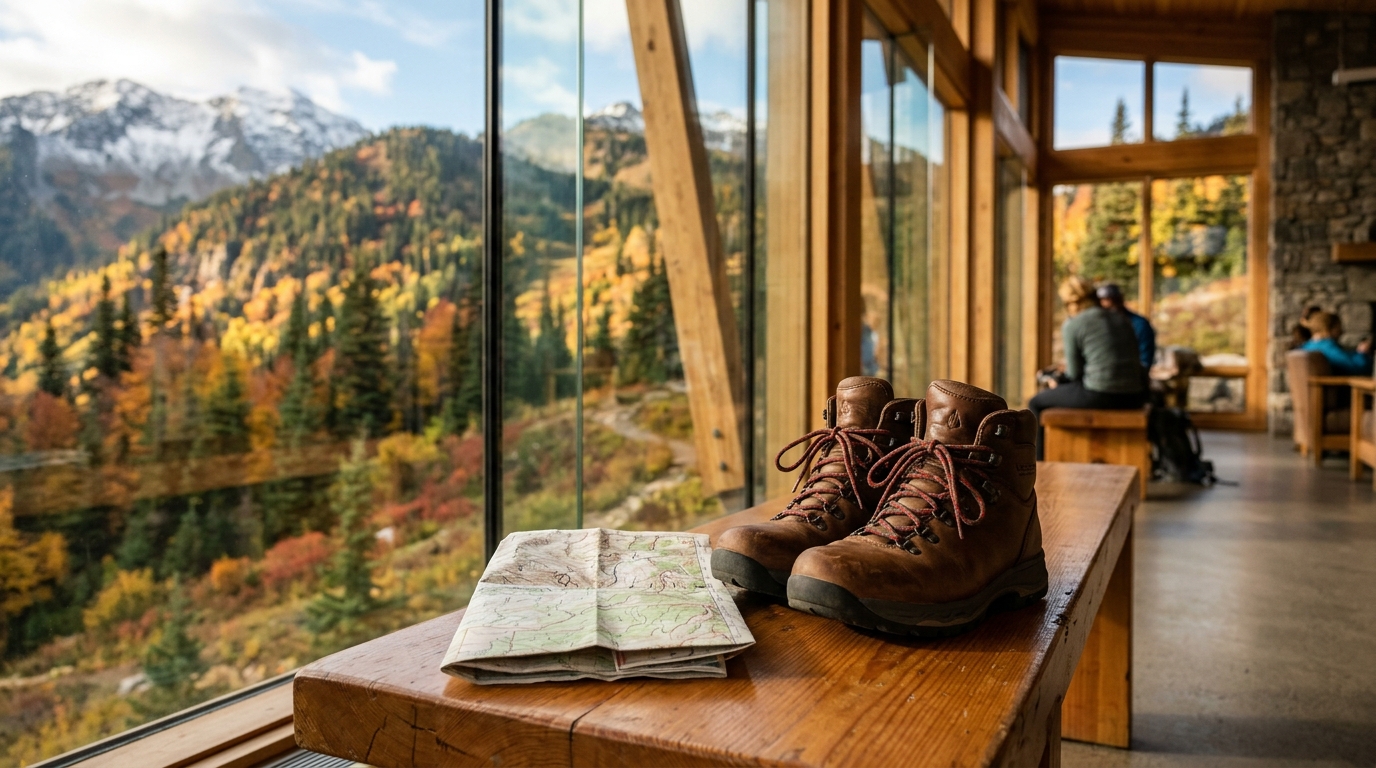
Each location acts as a trailhead hub. Visitors can pick up multilingual paper maps, connect to high-speed Wi-Fi, store bags in secure lockers, use fitting rooms, or rest in the lounge area. Knowing how verification works, when each branch operates, and how equipment returns are structured ensures a hassle-free day on the slopes.
Who Can Rent Equipment? Eligibility and Mandatory ID Rules
Only international tourists and foreign residents in South Korea are eligible for gear rentals at the three branches. To secure boots or clothing, foreign nationals must present an original physical passport or a physical Alien Registration Card (ARC) at the registration counter. Front desk staff do not accept digital photos, photocopies, or mobile screenshots.
Gear must return to the center on the day it is checked out. Overnight rentals and multi-day trips outside Seoul are not permitted. This daily return requirement allows staff to steam-clean, inspect, and launder all returned gear every evening. While equipment rentals remain exclusive to foreign visitors, general center facilities—including trail advice, maps, water refilling, and lounge seating—are free for all hikers.
The 3 Center Branches Compared: Locations, Hours, and Trails
Each of the three centers sits near a distinct mountain access point and observes a different weekly closing day. Planning around these operating schedules avoids unexpected trail delays.
| Branch Location | Nearby Mountain / Landmark | Nearest Subway Exit | Closed Day | Standout Amenity |
|---|---|---|---|---|
| Bukhansan Branch | Bukhansan National Park (Baegundae Peak) | Bukhansan Ui Station (Ui-Sinseol Line), Exit 2 | Closed Mondays | Free Hot Showers & Fitting Rooms |
| Bugaksan Branch | Bugaksan & Seoul City Wall (Hanyangdoseong) | Anguk Station (Line 3), Exit 2 (or Gyeongbokgung) | Closed Tuesdays | Traditional Hanok-Style Lounge & City View |
| Gwanaksan Branch | Gwanaksan Mountain & Yeonjuam Hermitage | Gwanaksan Station (Sillim Line), Exit 1 | Closed Wednesdays | Direct Subway-to-Trailhead Access |
Bukhansan Branch (Ui-dong)
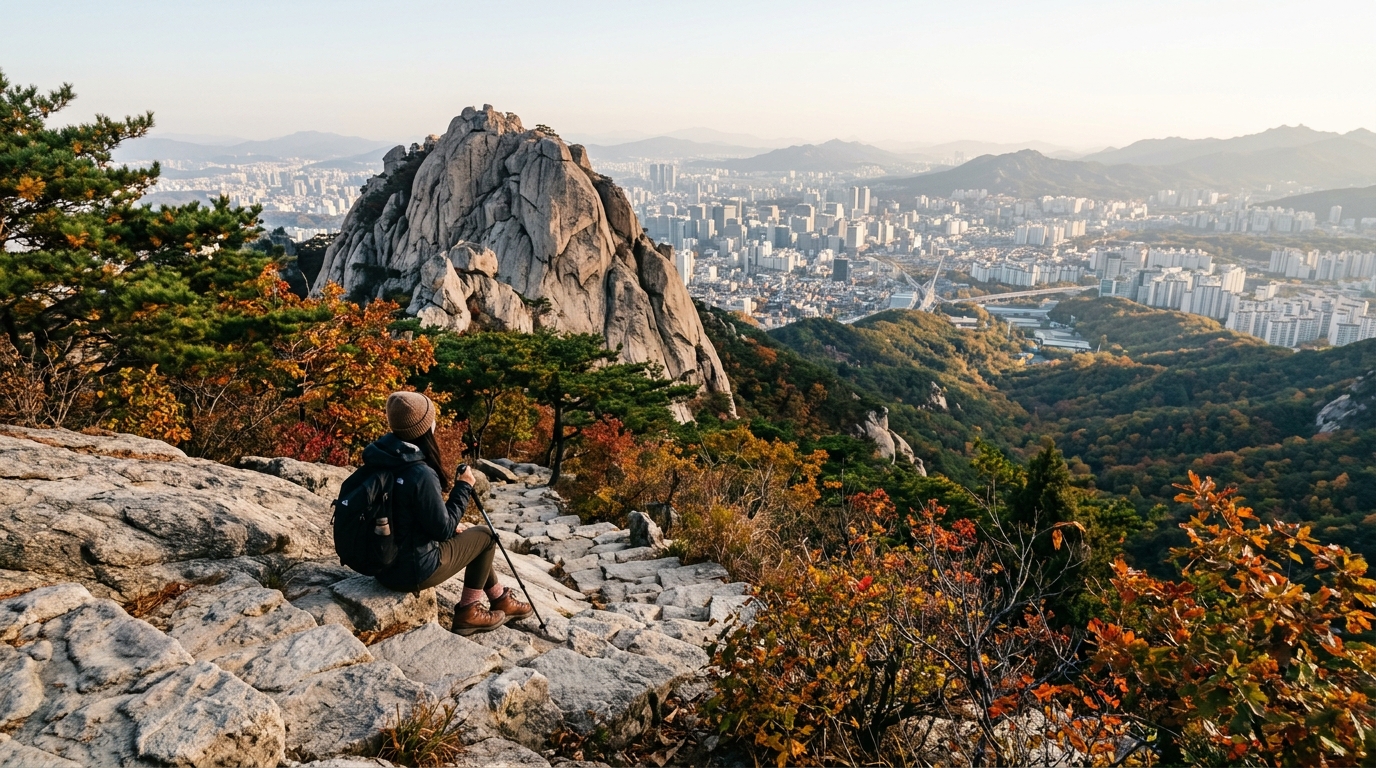
Located in northern Seoul, this branch serves hikers tackling the climb up Baegundae Peak (836 meters). It is the largest center, situated a short walk from Bukhansan Ui Station on the Ui-Sinseol LRT line. Facilities include changing cubicles, coin lockers, and warm shower stalls. Visitors arriving via public transit can use a Seoul short-term Climate Card for travel from central Seoul. Staff members assist with trail selection and hand out physical route maps.
Bugaksan Branch (Samcheong-dong)
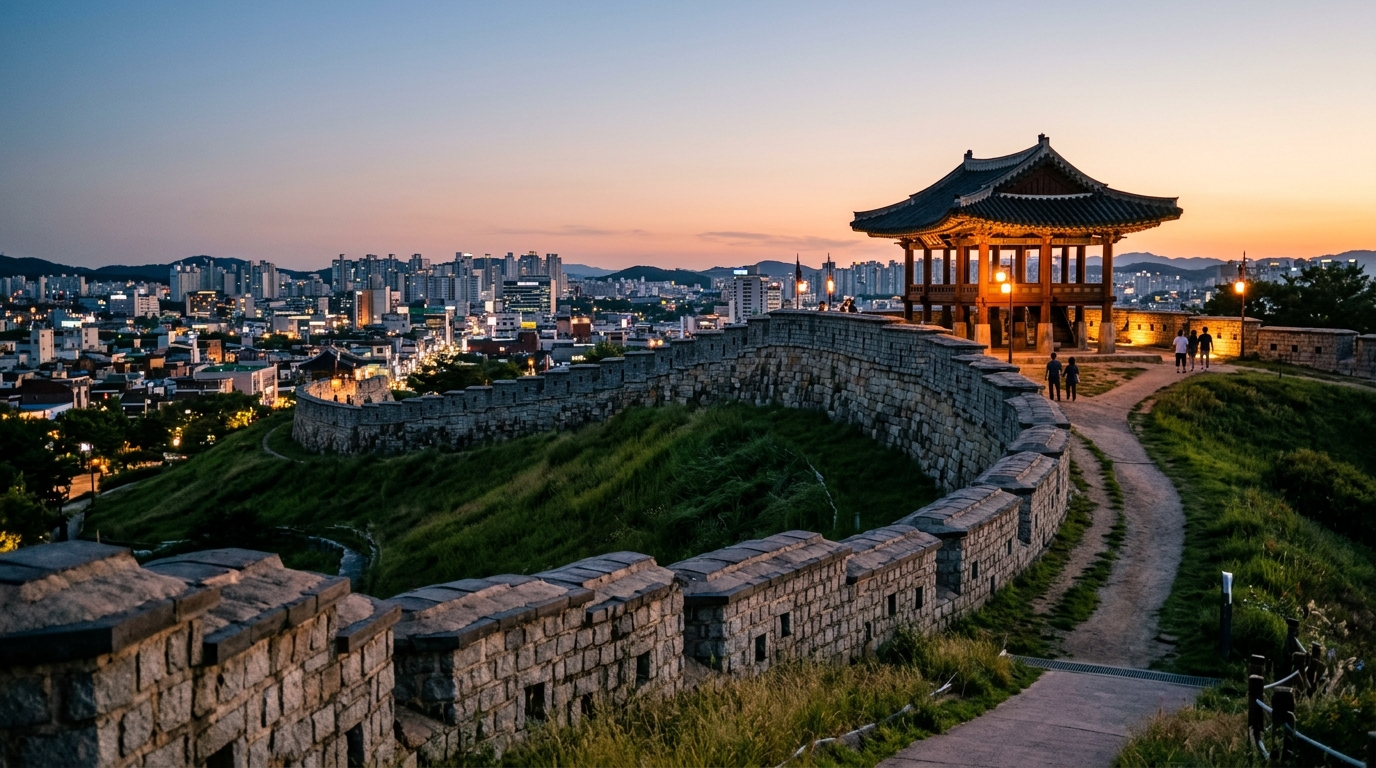
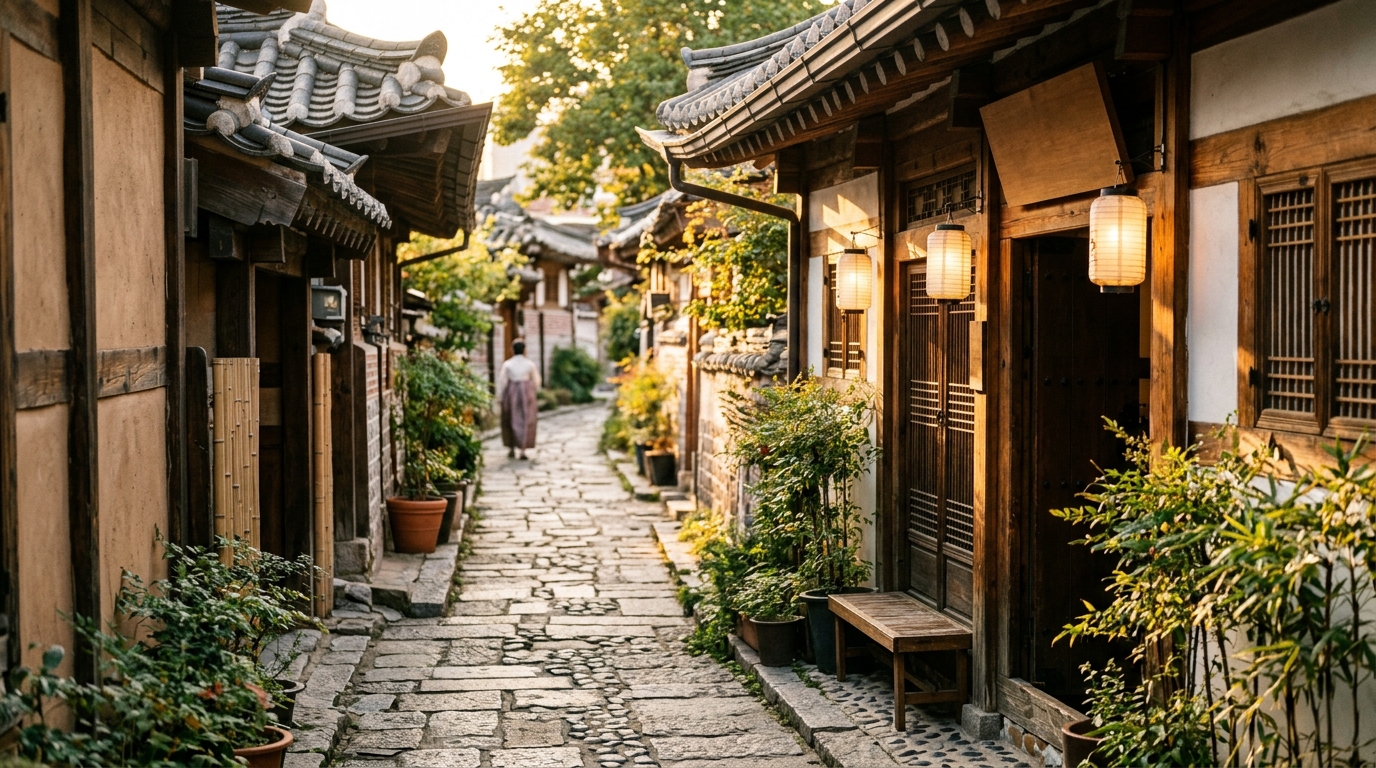
Set in historic Samcheong-dong, the Bugaksan location opens directly onto the Seoul City Wall trail (Hanyangdoseong). Built with traditional Korean Hanok styling, the building overlooks surrounding neighborhood rooftops. The site works well for low-impact ridge walks above Gyeongbokgung Palace, providing comfortable seating in a wood-accented lounge prior to setting out.
Gwanaksan Branch (Sillim-dong)
Positioned in southern Seoul, the Gwanaksan branch rests immediately outside Exit 1 of Gwanaksan Station on the Sillim Line. Mount Gwanaksan features steep granite ridges and the cliffside Yeonjuam Hermitage. Direct subway access makes this branch convenient for travelers coming from Gangnam or Yeouido.
How Do You Reserve Gear? Sizing, Fees, and Booking Steps
Rental pricing covers daily cleaning, steam sanitization, and laundering services. Sizing for apparel covers Small (S) up to Triple Extra Large (3XL), while footwear spans millimeter measurements from 220 mm to 300 mm.
How to Reserve Gear Online
Walk-in rentals depend on stock on hand, so booking 3 to 14 days ahead online is practical during busy spring and autumn periods.
Unreserved walk-in availability relies on daily returns. Common shoe sizes (260 mm–275 mm) frequently sell out early on weekend mornings.
Strict 18:00 Return Deadline and Trailhead Safety
All items must return to the original branch desk before 18:00. Failing to return gear by 18:00 disrupts center operations and can result in rental suspension penalties for foreign visitors.
Descents often take longer than expected. Reaching Baegundae Peak on Bukhansan and returning to Ui-dong takes 4.5 to 6 hours on average. Starting an ascent by 10:30 AM allows plenty of time to finish before the 18:00 cutoff.
Check our comprehensive Bukhansan hiking guide to evaluate trail difficulties, peak crowding, and contact details for park emergencies.
Center Amenities: Lockers, Showers, and Fitting Rooms
The facilities let visitors arrive in city attire and change into functional trail gear quickly.
Secure Luggage Storage
Each center operates coin lockers that fit daypacks, luggage, and street shoes. Travelers moving between hotel check-outs or coming directly from the airport can store bulky bags on site rather than hunting for subway station lockers.
Changing Booths and Clean Showers
Fitting rooms allow privacy when changing into rented trousers and jackets. The Bukhansan location features hot showers equipped with soap and private drying areas, letting hikers clean up before returning to central Seoul for dinner.
K-Hiking Culture: Trail Etiquette and Post-Hike Dining
Hiking in South Korea blends physical outdoor effort with distinct social habits and local dining traditions.
On-Trail Courtesy
Trail courtesy emphasizes shared space and environmental protection. Greeting passing hikers with a polite "Annyeonghaseyo" (안녕하세요) is customary along granite steps. Ascending hikers typically hold right-of-way over those moving downhill. In addition, national park rules enforce strict leave-no-trace standards; hikers must carry out all personal waste, as public trash cans are absent on trails.
The Post-Hike Feast (Dwitpuri)
A post-hike meal, known as dwitpuri (뒷풀이), is a standard part of local hiking routines. Trailhead villages near Bukhansan and Gwanaksan host restaurants that focus on hearty regional foods.
Common post-hike menu items include:
- Jeon (전): Crispy savory pancakes, such as Haemul Pajeon (seafood green onion pancake) or Gamjajeon (potato pancake).
- Makgeolli (막걸리): Unfiltered, slightly sparkling rice wine served chilled in traditional brass bowls.
- Dak-baeksuk (닭백숙): Whole chicken simmered with sticky rice, ginseng, and jujubes.
When dining locally, practice standard Korean dining etiquette, such as using both hands to receive poured drinks and waiting for older table members to take their first bite.
Frequently asked questions
Q. Do I need to book gear in advance at the Seoul City Hiking Tourism Center?
Advance online reservation via seoulhiking.or.kr is strongly recommended to guarantee your boot size and clothing set. Walk-ins are accepted only if daily inventory permits, but popular shoe sizes (260 mm–275 mm) often run out during peak morning hours on spring and autumn weekends.
Q. What documents do I need to bring to rent hiking equipment?
Foreign tourists must present an original physical passport or a physical Alien Registration Card (ARC) at the registration counter. Photos, digital scans, or copies on smartphones are not accepted for rental verification under official Seoul Tourism Organization regulations.
Q. Can my Korean friend rent hiking gear at the center with me?
Yes, but only if directly accompanying a registered foreign tourist or foreign resident. Korean citizens cannot rent equipment on their own independently, as the subsidized rental service is designed primarily to support international visitors exploring Seoul's urban mountains.
Q. How much does it cost to rent hiking boots and clothes in Seoul?
As of late 2026, rental fees range from ₩1,000 to ₩3,000 KRW (approx. $0.75–$2.25 USD) per individual item. Renting a complete full-gear package including high-top boots, technical jacket, trekking pants, and poles typically costs around ₩5,000 KRW total per day.
Q. What happens if I return the rented gear after 18:00?
All equipment must be returned to the center counter before the strict 18:00 closing cutoff. Late returns disrupt sanitization protocols and can result in late penalty fees or a temporary ban from using Seoul Tourism Organization gear rental services on future trips.