Korean Jjimjilbang Etiquette Guide for First-Time Visitors
Key takeaways
Visiting a Korean bathhouse for the first time is straightforward once you know the basic process. This guide covers gender-segregated wet bath nudity rules, co-ed dry sauna uniform requirements, step-by-step entry workflows, body scrub bookings, and recommended foreigner-friendly spas in South Korea.
Stepping into a Korean public bathhouse for the first time can make anyone feel a bit hesitant. The thought of disrobing around strangers is intimidating at first, but bathhouses—which pair gender-segregated wet baths (mogyoktang, 목욕탕) with shared dry saunas (jjimjilbang, 찜질방)—are a staple of daily relaxation in South Korea. Following a clear Korean Jjimjilbang Etiquette Guide helps international travelers get past that initial awkwardness, respect local norms, and comfortably experience everything from ice-cold sikhye to traditional body scrubs.
What is a Korean Jjimjilbang?
A Korean jjimjilbang (찜질방) is a multi-story bathhouse and leisure venue that pairs single-sex hot spring baths with shared, co-ed sauna lounges. It acts as a community space where families, friends, and solo visitors rest, sweat in themed saunas, eat snacks, and even stay overnight.
To understand how these centers operate, split the space into two core sections:
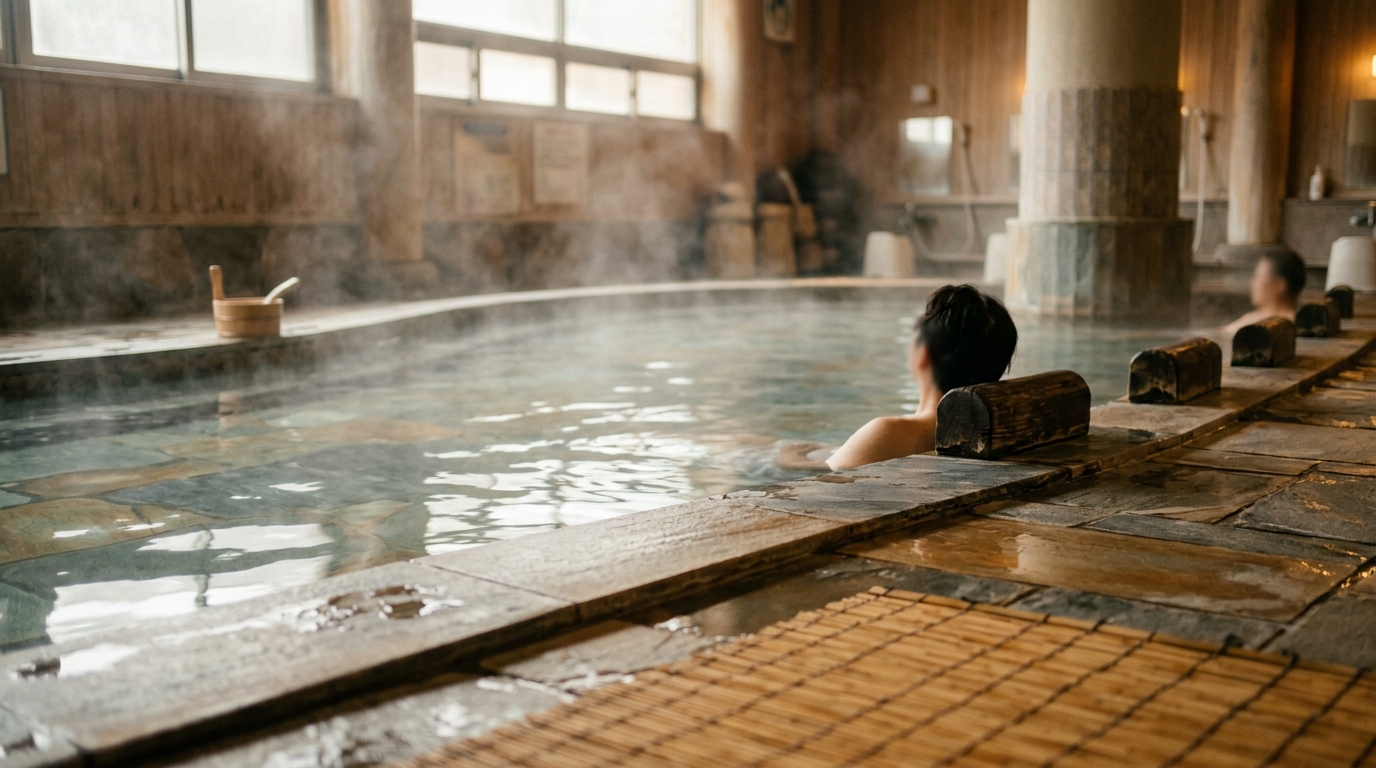
- Mogyoktang (목욕탕 - Wet Bath Area): Single-sex areas containing hot pools, cold plunge tubs, steam rooms, and shower rows. Complete nudity is mandatory here for sanitation reasons. Swimsuits, personal clothing, and large bath towels are not allowed in the water.
- Jjimjilbang (찜질방 - Co-Ed Sauna Area): Shared lounges open to all visitors. Everyone wears a uniform set of cotton t-shirts and shorts called jjimjilbok (찜질복). This zone houses kilns lined with salt, jade, charcoal, or red clay, as well as snack bars, massage chairs, and designated sleeping areas.
According to travel insights from Lonely Planet, getting comfortable with public nudity in the wet bath area is usually the biggest hurdle for travelers. Local patrons treat bathing purely as a routine health habit, so self-consciousness fades quickly.
How Do You Navigate a Bathhouse Step-by-Step From Arrival to Exit?
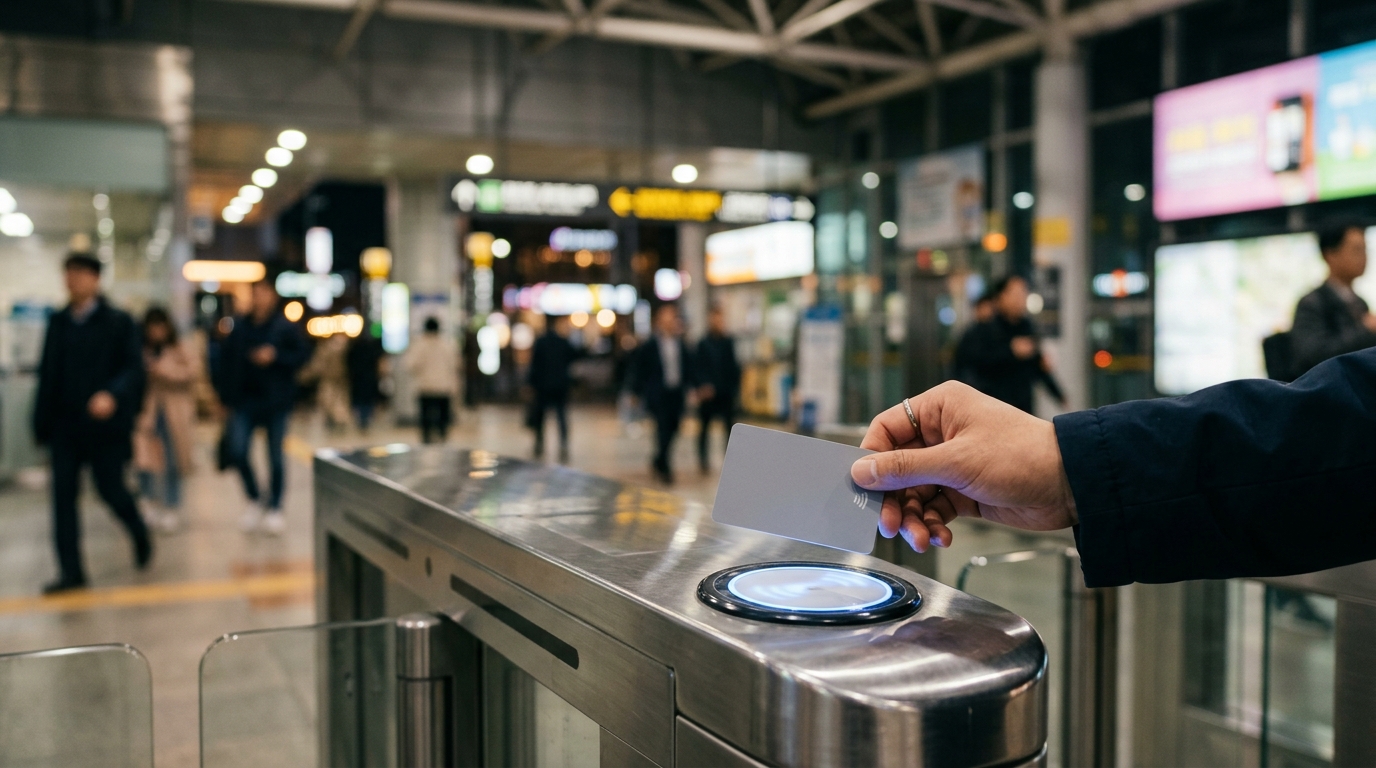
Navigating a Korean bathhouse follows a straightforward procedure managed through an electronic key band given at check-in.
Practical guidance from Traverse Blog notes that this wristband locks your assigned lockers and records internal charges, which you clear at the front desk when leaving.
What Essential Etiquette Rules Should You Follow inside the Bathhouse?
Bathhouse rules focus heavily on strict hygiene, quiet modesty in shared rooms, and general public consideration. Following these basic expectations keeps the space comfortable for everyone.
Mandatory Pre-Shower Routine
Visitors must complete a thorough soap-and-water shower at a seated washing station before entering any communal hot pool. Entering a bath pool without washing first breaks fundamental hygiene standards. Seated stalls provide low plastic stools and hand showers, letting guests scrub head-to-toe before taking a soak.
Proper Towel Management
Korean bathhouses hand out small hand towels rather than large bath sheets. Inside the bath hall, towels should never touch the pool water, as dipping wet cloth into shared baths is seen as unhyitary. Guests typically fold the towel and rest it on their head or set it on the stone rim beside the pool.
Strict Camera Prohibition
Cameras and mobile devices are strictly forbidden inside locker rooms, changing areas, and wet baths. South Korean privacy laws enforce strict penalties for violations. In the shared jjimjilbang lounges, phones are permitted for personal use, but guests must ensure other patrons are not captured in photos.
How Do You Book and Experience a Traditional Korean Body Scrub (Seshin)?
A traditional body scrub, known as seshin (세신) or ttae-mobi (때밀이), is an intensive exfoliation treatment performed inside the wet bath zone by scrub practitioners (seshin-sa, 세신사).
Before the scrub, soak in the hot pools for 15 to 30 minutes to soften surface skin cells (ttae, 때). The practitioner then uses a textured Italian viscose mitt to scrub the body with firm, steady pressure, clearing away dead skin layers.
How to Book a Seshin Scrub
- Go to the nude bath area after taking a shower.
- Locate the scrub station, typically set behind a partition or low wall.
- Find the clipboard waitlist near the entrance and write down your key number under the next open slot.
- Soak in a hot tub while watching the station. Walk over when your key number is called or signaled.
- The fee is charged to your RF key band, so no cash is needed in the wet bath area.
| Service Type | Duration | Typical Price Range (KRW) | Included Treatments |
|---|---|---|---|
| Basic Body Scrub | 20–25 mins | ₩25,000 – ₩35,000 | Full-body skin exfoliation & quick hair wash |
| Scrub & Oil Massage | 40–50 mins | ₩50,000 – ₩70,000 | Full scrub, essential oil massage, light facial mask |
| VIP Luxury Service | 60–80 mins | ₩80,000 – ₩120,000 | Full scrub, oil massage, scalp treatment, cucumber facial |
Note: Figures reflect pricing across standard Seoul and Busan facilities as of 2025–2026. Female scrub services typically cost slightly more than male services due to additional hair washing or custom mask steps.
Which Jjimjilbang Foods and Drinks Are Must-Tries?
Eating snacks in the communal lounge is an integral part of the bathhouse experience. High-temperature sauna sessions are naturally followed by cold drinks and simple comfort foods available at the snack counter (maetjeom, 매점).
Iconic Bathhouse Snacks
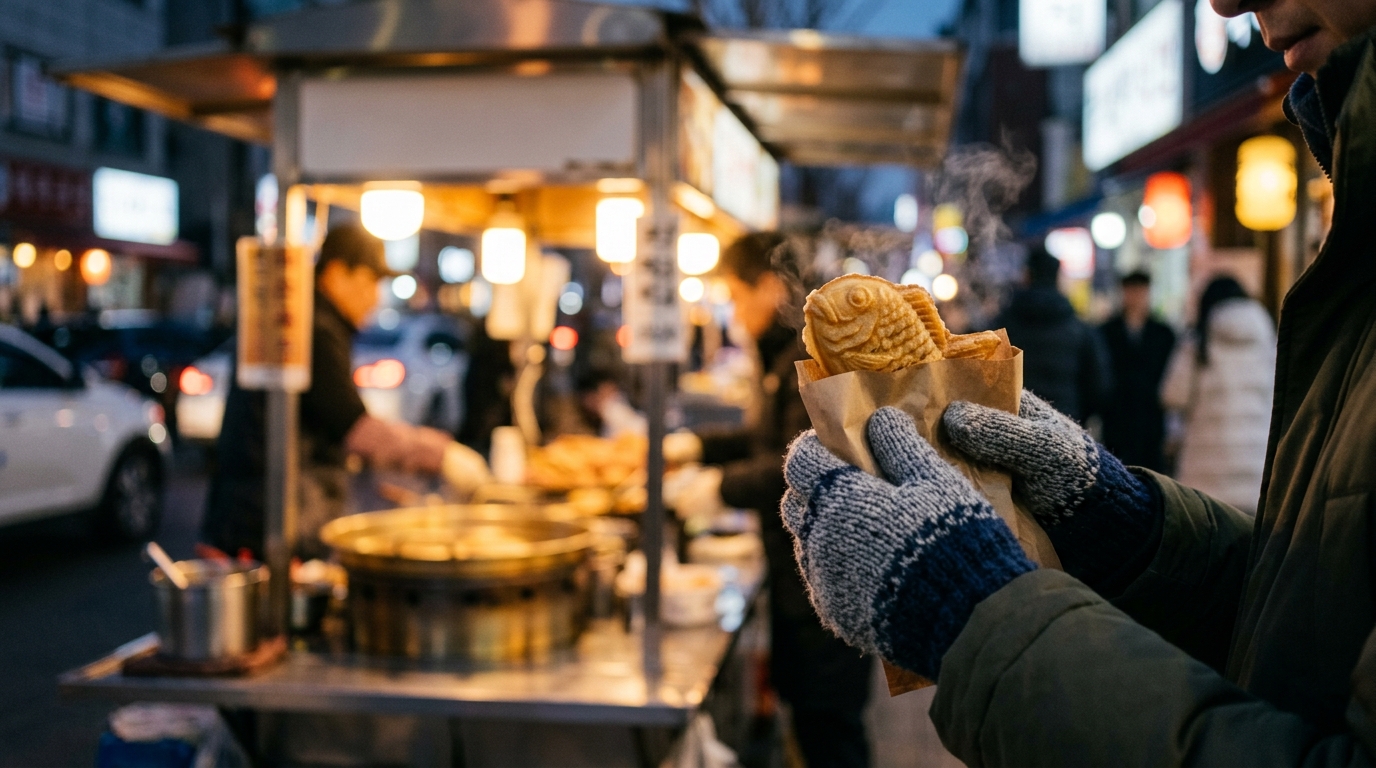
- Sikhye (식혜): A sweet, cold drink made from fermented malt and rice grains. Served over crushed ice in large insulated containers, it replaces lost fluids and boosts sugar levels after sweating.
- Sauna Eggs (Maektan-gyeran, 맥반석 계란): Eggs slow-cooked inside heated mineral or germanium rooms for hours. They turn deep brown on the outside and take on a distinct smoky flavor.
- Seaweed Soup (Miyeok-guk, 미역국): A rich soup prepared with sea kelp and beef broth. Packed with minerals, it is a traditional option for hydration and bodily recovery.
Cracking a hard-boiled sauna egg against a friend's head before peeling it is a lighthearted bathhouse cultural ritual popularized by Korean media.
What Are the Real Costs, Time Limits, Tattoo Rules, and Luggage Logistics?
Knowing standard operating rules in advance helps prevent extra fees or unexpected issues at entry.
Tattoo Acceptability Policies
Neighborhood bathhouses in South Korea are generally open and unconcerned regarding guests with tattoos. In contrast, modern resort-style spas—like Cimer in Incheon or Spa Land Centum City in Busan—enforce stricter entry requirements. While neighborhood bathhouses rarely restrict tattooed guests, high-end resort spas may require visitors to cover large tattoos with rash guards or waterproof bandages.
Overnight Stays and Luggage Storage
For late flights or low-cost lodging, 24-hour jjimjilbangs offer sleeping mats and headrests in large open halls. Most neighborhood venues store large luggage at the front desk for foreign travelers either for free or for a small fee (₩2,000–₩5,000).
| Feature | Neighborhood Jjimjilbang | Luxury Flagship Spa (e.g., Aquafield, Spa Land) |
|---|---|---|
| Typical Entry Fee | ₩12,000 – ₩16,000 | ₩25,000 – ₩26,000 |
| Base Stay Limit | 12 Hours (Overnight possible) | 4 to 6 Hours (Hourly surcharge after limit) |
| Tattoo Acceptance | Highly lenient; rarely restricted | Moderately strict; large tattoos may need covers |
| Atmosphere | Local, functional, retro | Futuristic, Instagrammable, high-end design |
| English Signage | Limited to basic symbols | Extensive English, Japanese, and Chinese guides |
Which Top Recommended Jjimjilbangs Should Foreigners Visit in Seoul, Busan, and Incheon?
Choosing a clean, modern venue ensures a smoother visit for international guests. Note that older facilities frequently mentioned in past travel books—including Dragon Hill Spa and Siloam Sauna in Seoul—have permanently closed.
Recommended Tourist-Friendly Spas
- Spa Land Centum City (Busan): Located inside Shinsegae Centum City Mall, Spa Land houses 18 natural spring pools and 13 themed saunas. Tickets are available online via platforms like Klook Centum City Spa Land Ticket.
- Aquafield (Hanam, Goyang, Anseong): A resort-style spa chain with themed saunas (Media Art Room, Salt Room, Cloud Room) and outdoor rooftop foot baths overlooking local views.
- Cimer at Paradise City (Incheon): Situated near Incheon International Airport (ICN), Cimer features European-style pool spaces paired with traditional dry saunas.
- SPAREX Dongdaemun (Seoul): Found inside Good Morning City in central Seoul, SPAREX includes a traditional hanok-style lounge and 24-hour access for late-night arrivals.
| Venue Name | Location | Ticket Cost (Adult) | Max Base Time | Key Highlight | | :--- | :--- | :--- | :--- | | Spa Land Centum City | Haeundae, Busan | ₩25,000 | 4 Hours | 18 mineral hot spring pools & themed saunas | | Aquafield | Hanam / Goyang | ₩26,000 | 6 Hours | Luxury media-art rooms & open-air rooftop foot baths | | Cimer | Yeongjongdo, Incheon | ₩50,000+ | 6 Hours | Resort pool lounge near Incheon Airport | | SPAREX Dongdaemun | Dongdaemun, Seoul | ₩12,000 – ₩15,000 | 12 Hours | 24/7 central Seoul location with Hanok design |
Frequently asked questions
Q. Do I have to be completely naked in a Korean jjimjilbang?
Nudity is mandatory in gender-segregated wet bath areas (mogyoktang) for hygiene reasons. In the co-ed dry sauna lounges (jjimjilbang), guests wear provided cotton uniforms.
Q. Can I go to a Korean bathhouse if I have tattoos?
Most neighborhood jjimjilbangs in South Korea do not restrict guests with tattoos. However, luxury or resort-style venues like Cimer or Spa Land Centum City may require guests to cover large tattoos with patches or rash guards.
Q. How do I book a traditional Korean body scrub (Seshin)?
Locate the scrub station inside the nude bath zone. Book by writing your locker key number on the white clipboard waitlist near the station, and the charge is scanned directly to your electronic key wristband.
Q. Can I store my luggage at a jjimjilbang?
Many major jjimjilbangs near transit hubs or airports hold suitcases at the front desk. Smaller neighborhood venues only offer standard shoe and clothes lockers, so check venue policies in advance.
Q. What happens if I stay longer than the base time limit?
Standard admission covers 4 to 12 hours depending on the venue. Exceeding the base time limit incurs an extra hourly surcharge (typically ₩1,000 to ₩3,000 per extra hour) settled at checkout.