Types of Templestay Programs Across Korea and a Booking Guide for Temples Featured on TV
Key takeaways
Templestay is categorized into rest-oriented, experiential, and day-trip types, and anyone can apply through online advance reservation regardless of religion. Offered at over 140 temples nationwide, including Jikjisa Temple in Gimcheon featured on TV in 2026, it is best to check essential packing items like toiletries and socks as well as temple etiquette beforehand.
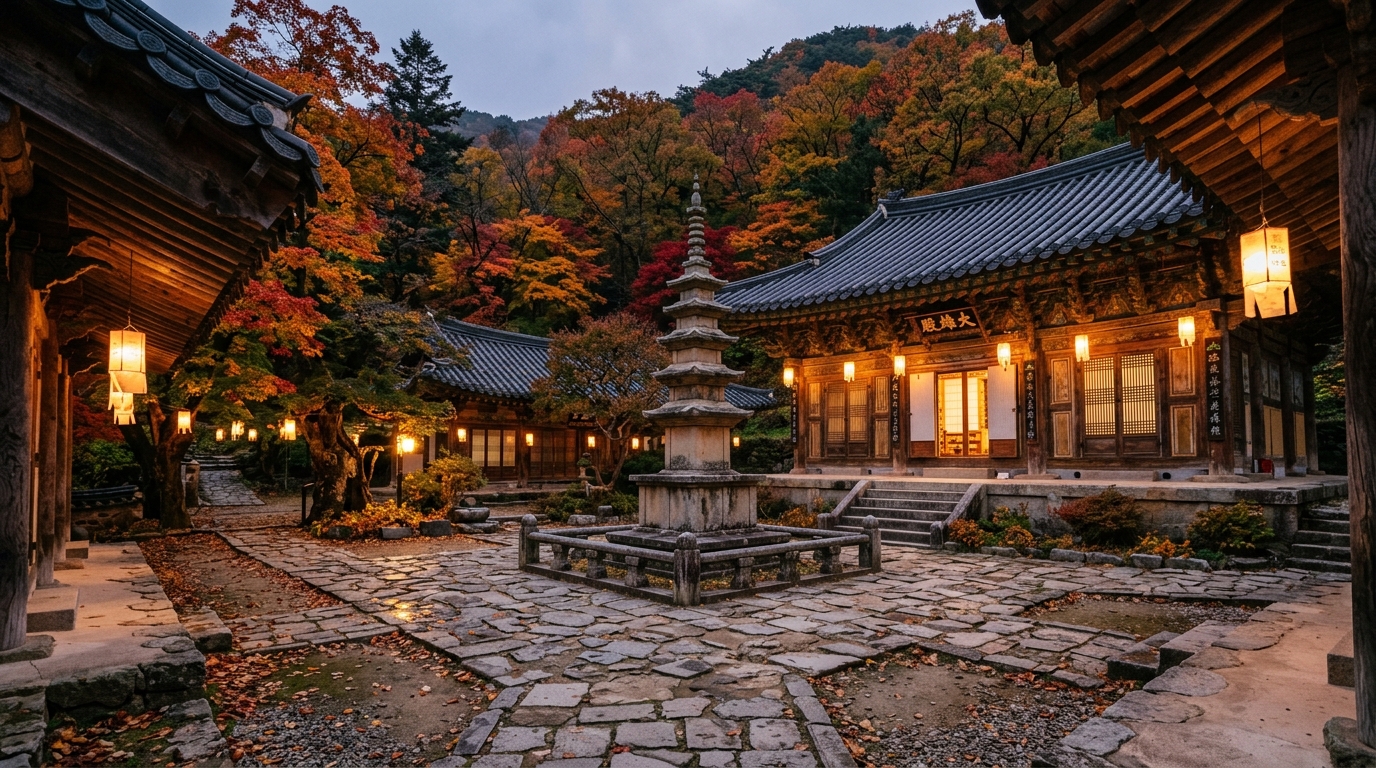
Templestay continues to attract steady interest among people seeking quiet rest away from busy daily life and smartphone screens. After Jikjisa Temple in Gimcheon was featured on the variety show 'Hit the Spot Tour' (Dokbak Tour) in October 2026 showing temple experiences, interest in temple retreats grew even higher. It is a space where people with no specific religion or of different faiths can freely stay and experience traditional Korean culture. Here is a step-by-step guide covering the types of templestays operated by over 140 temples nationwide, recommended temples, reservation methods, and packing essentials.
Types of Templestay Programs and How to Choose the Right One for You
Templestay is divided into rest-oriented, experiential, day-trip (day experience), and themed types depending on operating style and activities. Selecting one that fits your current physical stamina and rest goals will greatly increase your satisfaction.
If you are experiencing temple life for the first time or want to rest without disturbance, the 'rest-oriented' type with almost no schedule constraints is ideal. On the other hand, if you want an in-depth experience of traditional temple culture or Buddhist rituals, the 'experiential' type is best suited.
| Program Type | Main Schedule & Activities | Recommended For | Average Cost (Per Night) |
|---|---|---|---|
| Rest-Oriented | Self-directed rest outside chanting and meal times, walks, reading, meditation | Digital detox, quiet relaxation, solo travelers | 50,000 KRW ~ 80,000 KRW |
| Experiential | 108 prostrations, making prayer beads, tea time with a monk (chadam), temple food experience | Traditional culture enthusiasts, those wanting structured activities | 60,000 KRW ~ 100,000 KRW |
| Day-Trip | 2~4 hour course (tea ceremony, making temple food, walking forest trails) | Busy modern people burdened by overnight stays, day-trippers | 30,000 KRW ~ 50,000 KRW |
| Themed/Unique | Summer tent stay (Cample), surfing meditation, wave meditation, etc. | Participants wanting unique outdoor activities combined with meditation | 70,000 KRW ~ 120,000 KRW |
For the rest-oriented type, as long as you keep to meal times, you can fully use the rest of your time walking around the temple grounds or relaxing in your room. The experiential type allows you to directly experience neat Buddhist cultural events, such as 'chadam' (tea conversations) sharing tea and stories with a monk, or 108 prostrations to clear away 108 worldly anxieties. As of 2026, unique themed programs combining surfing and meditation at coastal temples during the summer have also gained immense popularity.
Jikjisa Temple Featured on TV and 5 Recommended Temples Nationwide
When choosing your first templestay location, it is worth looking first into public transportation convenience, surrounding scenery, and whether private room assignments are available.
Here are 5 temples with distinct characteristics registered in the Cultural Corps of Korean Buddhism Official Guide. Jikjisa Temple in Gimcheon, mentioned on the variety show 'Hit the Spot Tour', is included among them.
- Gimcheon Jikjisa Temple: A thousand-year-old temple located at the foot of Hwangaksan Mountain, made even more famous when featured on TV as a temple visited by BTS's RM (NewsIs related report). With spacious grounds and well-equipped accommodations, it is well suited for first-time visitors.
- Yangyang Naksansa Temple: Located on a coastal cliff overlooking the East Sea, this is a rest-oriented temple ideal for enjoying sunrise meditation along with open ocean views.
- Yangpyeong Yongmunsa Temple: Easily accessible by public transportation from the metropolitan area, it is impressive for its 'silent templestay' to quietly calm the mind and walks along an ancient ginkgo tree path.
- Seoul Gilsangsa & Myogaksa Temples: Located in the heart of the city, they are great for enjoying a weekend 2-day, 1-night retreat without traveling far, with a high proportion of international participants.
- Gyeongju Bulguksa & Golgulsa Temples: Useful for combining temple stay with historical exploration. Golgulsa Temple in particular offers a unique attraction where you can experience traditional Sunmudo martial arts.
Official Website Reservation and Payment Procedure for Templestay
As a rule, templestay reservations are made through advance online application via the Cultural Corps of Korean Buddhism integrated system. Direct phone calls to temples or same-day walk-ins are difficult with few exceptions, so it is safer to complete your booking 2~3 weeks in advance.
Popular periods such as weekends, autumn foliage seasons, and vacation seasons book up quickly. In the second half of 2026, the government-discounted support initiative 'Double Happiness Templestay' (held November 1~30, advance booking October 14~16) will offer a 2-day, 1-night course on a first-come, first-served basis for around 30,000 KRW, so keeping an eye on related news beforehand can be helpful.
In terms of cancellation refund standards, a 100% refund is usually available up to 3 days prior to check-in, but detailed terms vary by temple, so checking the terms and conditions upon application is essential.
Essential Packing Checklist and Temple Rules (Cheonggyu) for Beginners
Temples basically provide top and bottom practice uniforms, but you must bring your own personal toiletries and hygiene products. Inside the temple, you must maintain a quiet and neat environment, so following the fundamental temple rules, known as 'Cheonggyu', is essential.
| Category | Recommended Practices | Prohibited Actions (Violation of Cheonggyu) |
|---|---|---|
| Dress Code | Wear a t-shirt under the practice uniform, socks required | Sleeveless tops, shorts, leggings, flashy jewelry |
| Temple Life | Speak softly, adhere strictly to meal times | Loud shouting, drinking alcohol, smoking, displays of affection |
| Hall Etiquette | Step sideways without stepping on the threshold, bow with palms joined (hapjang) | Entering through the central entrance (Eoganmun), sitting with your back to the Buddha |
| Meals (Gongyang) | Take only what you will eat without leaving leftovers (Balwoo Gongyang) | Chatting during meals, bringing in meat or external outside food |
Frequently Asked Questions by Templestay Participants
When considering templestay for the first time, the biggest concerns are usually religious burdens and accommodation environments. Since templestay emphasizes experiencing cultural heritage rather than religious proselytizing, non-religious individuals or followers of other faiths can stay comfortably.
Even if you apply alone, depending on room availability, you may use a single room by yourself or share a room with participants of the same gender. If you want a private room, it is best to check the temple's policy in advance.
Dawn chanting at 4:00 AM or 108 prostrations are not compulsory. If you are a rest-oriented participant, you can decide voluntarily based on your personal condition, and resting in your room is completely fine.
Meals (gongyang) consist of vegetarian temple cuisine, mostly served buffet-style so you can take as much as you want. Coffee or light snacks are allowed by using tea houses inside the temple or drinking brought beverages in designated areas.
Frequently asked questions
Q. Can non-religious people or followers of other religions (Protestantism, Catholicism, etc.) participate in templestay?
Yes, you can. Templestay is not intended for religious proselytizing, but is a Korean traditional culture experience and relaxation program, so anyone can participate regardless of their religion.
Q. Are 108 prostrations or dawn chanting compulsory?
No. While participation in scheduled activities is encouraged for experiential programs, rest-oriented templestay allows you to voluntarily decide whether to join dawn chanting or 108 prostrations.
Q. If I apply alone, can I get a private room?
It depends on the temple's policy and circumstances. While an increasing number of temples assign private rooms, if room capacity is limited, you may share a multi-person room with participants of the same gender, so it is best to check when making a reservation.
Q. How should I dress when going on a templestay?
The temple provides top and bottom practice uniforms. You just need to bring short-sleeved or long-sleeved t-shirts to wear under the uniform, muted-color socks to wear when entering the main hall, and comfortable sneakers.