Trauma Recovery and Resilience Strategies for Journalists and High-Stress Professions
 AI-generated image
Key takeaways
The trauma and burnout experienced by journalists and high-stress professionals are neurophysiological responses, not personal weaknesses. When faced with field trauma or online harassment, soothe amygdala hyperarousal using SOS grounding and breathing techniques, and seek professional help through public support channels like national trauma centers to build resilience.
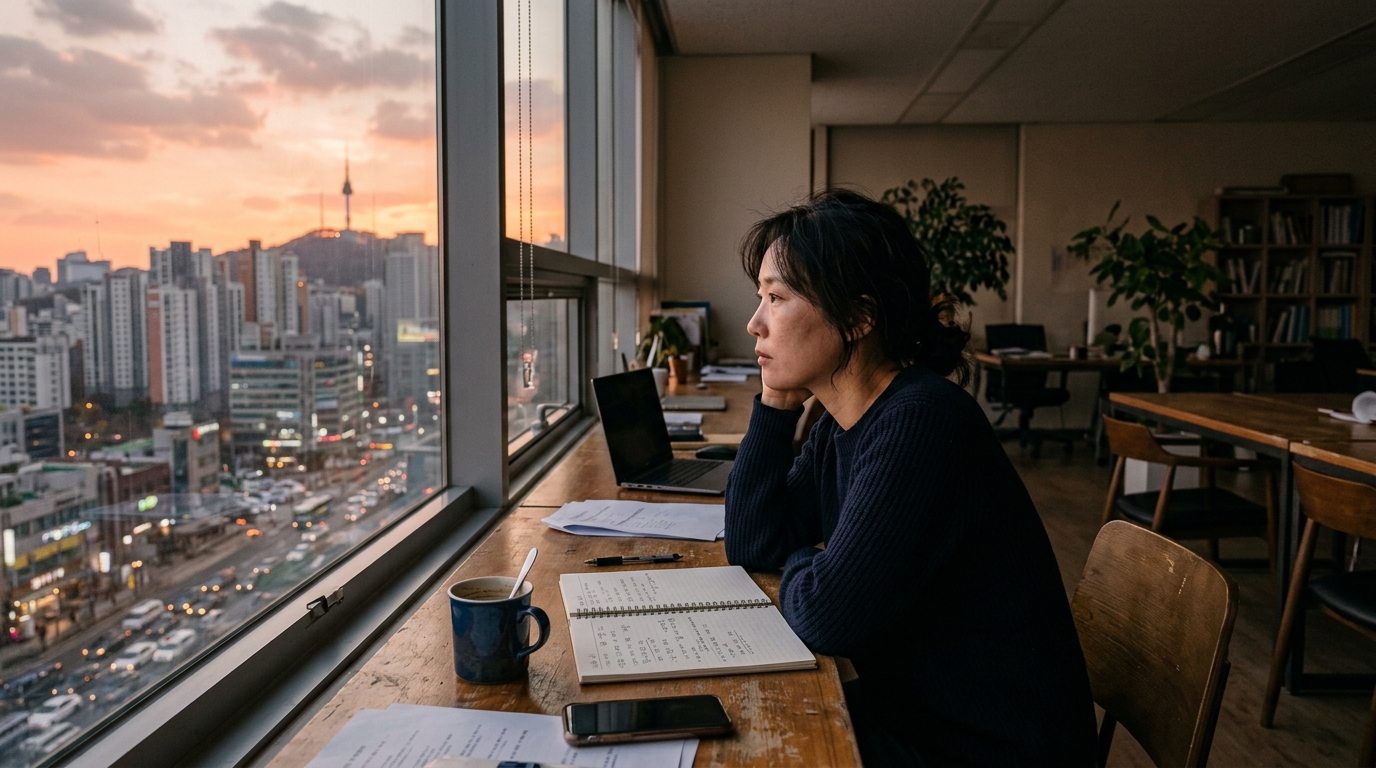
Professionals in high-stress environments—such as journalists, firefighters, police officers, and healthcare workers—frequently face traumatic scenes and intense job pressure. When overwhelming stress accumulates, it often escalates beyond simple fatigue into psychological trauma or burnout. Trauma is not a sign of personal weakness. It is a neurophysiological response to intense external stimuli, making it vital to understand how it works and adopt actionable resilience strategies you can apply anytime.
How Do You Distinguish Between Burnout and Psychological Trauma (PTSD)?
While burnout is a state of physical and emotional exhaustion caused by long-term overwork, trauma (PTSD) occurs when intrusive memories or hyperarousal persist for over a month following a traumatic event.
The two conditions differ fundamentally in how the brain responds. As highlighted in EBS Knowledge Channel e's video on resilience, experiencing intense stress or trauma overactivates the amygdala—the brain's fear center—while dampening the prefrontal cortex, which governs rational judgment. While burnout depletes your energy, leading to cynicism and helplessness, PTSD is characterized by recurring traumatic flashbacks and a constant state of hypervigilance.
| Category | Burnout | Post-Traumatic Stress Disorder (PTSD) |
|---|---|---|
| Primary Causes | Chronic overwork, lack of job autonomy, excessive workload | Intense traumatic events such as witnessing disasters, verbal abuse, or legal pressures |
| Key Symptoms | Emotional exhaustion, cynicism toward work, reduced sense of accomplishment | Intrusive distressing memories, hyperarousal, emotional avoidance |
| Brain Response | Prefrontal cortex fatigue and chronic hormonal imbalance | Hyperactivation of the amygdala and consolidation of fear memories |
| Duration & Recovery | Manageable through rest and improved working conditions | Requires professional psychological therapy if symptoms persist over 1 month |
What Are the 4 Main Stressors Faced by Journalists and High-Stress Professions?
Professionals in high-stress roles, particularly journalists, face compounding threats ranging from emotional shocks on scene to online abuse and legal intimidation.
According to survey data from the Journalists Association of Korea, 78.7% (428) of 544 working journalists surveyed reported experiencing psychological trauma on the job. Furthermore, 43.9% (188) were categorized as a high-risk group for PTSD, with symptoms persisting for more than a month. The four primary stressors are:
- Exposure to On-Scene Disasters and Secondary Trauma: Direct exposure to disasters, accidents, or crime scenes and interviewing victims causes professionals to directly absorb visual and emotional shock.
- Digital Attacks and Online Harassment: Following publication, journalists are often exposed defenselessly to cyberbullying, doxxing, targeted hate campaigns, and malicious comments.
- Legal and Institutional Pressure: Involvement in legal disputes—such as lawsuits, criminal complaints, or damage claims—creates immense anxiety and psychological pressure.
- Constant Vigilance from 24/7 On-Call Demands: The unpredictable nature of breaking news disrupts sleep patterns and makes psychological detachment from work nearly impossible.
 AI-generated image
What Are the SOS Grounding Technique and 4-Step Resilience Framework to Apply Immediately On-Site?
When acute anxiety strikes or traumatic flashbacks occur, SOS grounding techniques—which anchor your physical senses back to the present moment—and proactive resilience training provide immediate relief.
Resilience is not merely enduring pain through grit. It is a brain-based training process that calms an overactive amygdala and restores the regulatory function of the prefrontal cortex.
Step 1: 5-4-3-2-1 Grounding Technique (Anchoring Physical Senses)
When anxiety or intrusive memories strike, engage all five senses to anchor your focus back to the present moment.
- 5 things: Mentally name 5 objects you can see around you.
- 4 things: Focus on 4 physical sensations, such as the texture of your clothing or the chair beneath you.
- 3 things: Listen closely to 3 distinct sounds around you.
- 2 things: Identify 2 scents you can smell in your environment.
- 1 thing: Notice 1 taste present in your mouth.
Step 2: 4-7-8 Autonomic Nervous System Breathing Exercise
- Inhale slowly through your nose for 4 seconds.
- Hold your breath for 7 seconds.
- Exhale slowly through your mouth for 8 seconds. Repeat this cycle 4 times to activate your parasympathetic nervous system.
Step 3: Clear Separation from Work and Digital Spaces
After work hours or on days off, turn off work notifications and establish a period of 'psychological detachment' by distancing yourself from non-essential digital media.
Step 4: Emotional Journaling and Cultivating Perspective
Record your emotions in honest, objective language without self-blame. Cultivating self-compassion is key to this step.
How Can Organizations and Colleagues Build a Peer Support System Together?
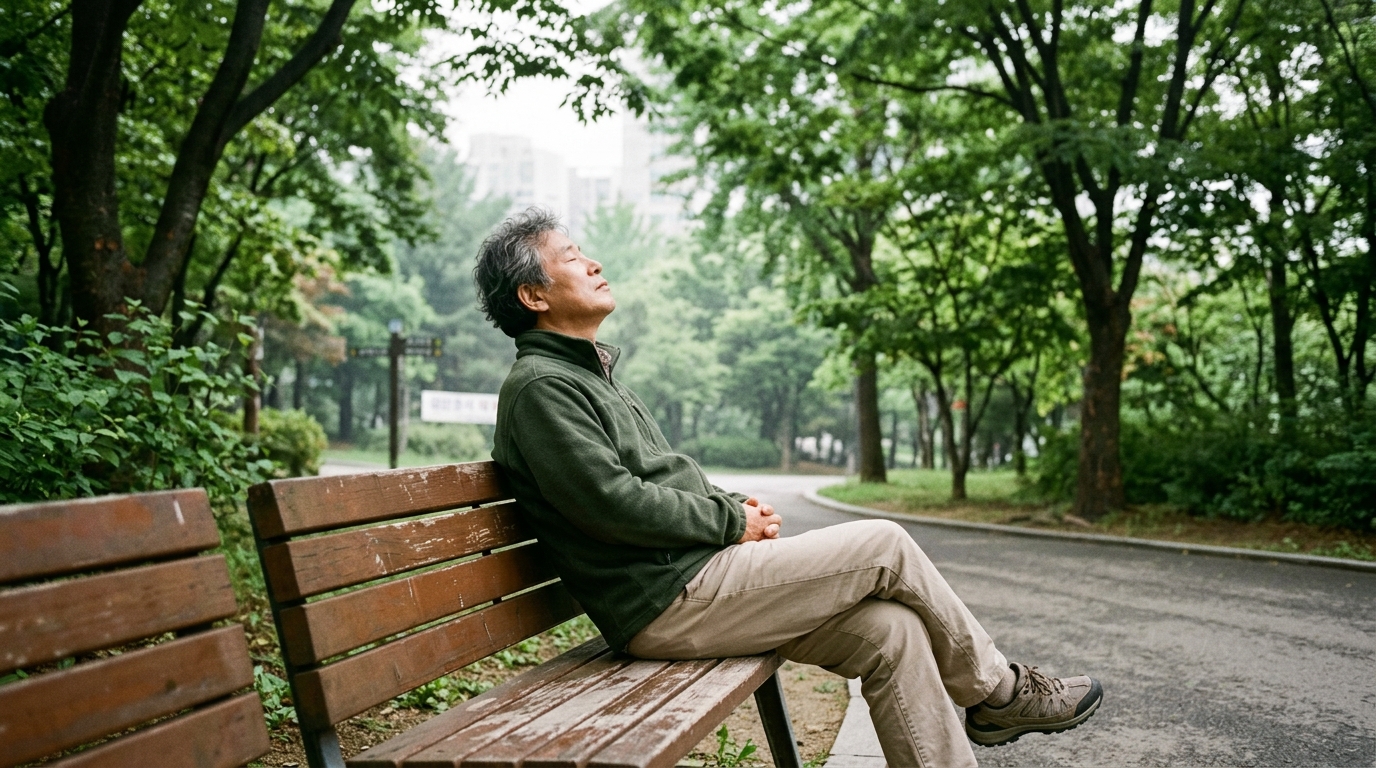
Overcoming trauma cannot rely solely on the individual. Organizations must step in by establishing internal peer support systems and safety guidelines for disaster reporting.
Surveys reveal a stark lack of organizational support: only 2.8% of journalists resolved trauma through official workplace channels, and just 2.3% received regular preventive training. Key peer support practices to protect one another in the field include:
- Detecting Mutual Warning Signs: Pay close attention to subtle red flags in colleagues, such as sudden withdrawal, emotional outbursts, frequent forgetfulness, or alcohol dependency.
- Non-Judgmental Listening: When a colleague shares a traumatic experience, focus on active, empathetic listening rather than offering hasty advice or judgment.
- Post-Assignment Debriefing and Cooldown: After intense field coverage, hold brief team check-ins to monitor well-being and share challenges.
- Adhering to Disaster Reporting Guidelines: Familiarize yourself with reporting codes of conduct that prioritize journalist safety and psychological protection.
 AI-generated image
What Free Public Resources and Support Systems Are Available?
If persistent PTSD symptoms or stress become unmanageable on your own, you can utilize free psychological counseling programs provided by public institutions.
Organizations like the Korea Press Foundation website offer specialized counseling programs for media professionals, while robust public support networks exist for high-stress workers and the general public.
- National Center for Trauma: Provides psychological evaluation and counseling for survivors of disasters/accidents and high-stress professionals (Tel: 02-2204-0001).
- Ministry of Health and Welfare Mental Health Hotline: Offers 24/7 crisis intervention counseling (Tel: 109 or 1577-0199).
- Local Mental Health Welfare Centers & Mind Comfort Buses: Conduct mental health assessments and free counseling in connection with local public health centers nationwide.
- Korea Press Foundation & Journalists Association Counseling Support: Provide funding for professional counseling fees and legal consultation referrals for active journalists.
※ The information provided in this article is for general psychoeducation and stress management purposes and cannot substitute for medical diagnosis or treatment. If you experience severe trauma symptoms or persistent depression, please consult a psychiatrist or licensed mental health professional.
Frequently asked questions
Q. What is the difference between burnout and trauma (PTSD)?
Burnout is characterized primarily by exhaustion and lethargy from prolonged overwork, whereas PTSD is a neurophysiological state where intrusive memories, hyperarousal, and emotional avoidance persist for over a month following exposure to a traumatic event.
Q. What can I do immediately when distressing flashbacks or memories persist after coverage or stressful situations?
The 5-4-3-2-1 grounding technique can help. Bring your senses back to the present moment by identifying 5 things you see, 4 things you can touch, 3 sounds you hear, 2 scents you smell, and 1 taste in your mouth to calm amygdala hyperarousal.
Q. What free public resources are available if my organization lacks a psychological support system?
You can receive free counseling through public resources such as the National Center for Trauma, the Ministry of Health and Welfare Mental Health Hotline (109 or 1577-0199), and local mental health welfare centers. Journalists can also access counseling support programs provided by the Korea Press Foundation.
Q. How can colleagues support a struggling team member or junior colleague?
Peer support is key: listen open-mindedly without giving unsolicited advice or evaluation, and guide them to professional counseling services if you notice warning signs such as withdrawal or severe insomnia.