Seoul Climate Card vs T-money: Which Pass Wins?
Key takeaways
Comparing the Seoul Climate Card vs T-money comes down to trip scope: the Climate Card offers unlimited Seoul rides starting at ₩5,000 for a 1-day pass, while T-money provides universal pay-as-you-go access nationwide. As of March 2026, foreign credit cards are accepted for Climate Card reloads at subway station kiosks.
Choosing between the Seoul Climate Card vs T-money comes down to whether unlimited rides inside the city matter more than nationwide coverage. A short-term Climate Card covers its cost in three to four subway trips a day. Exiting at a station outside Seoul or missing an exit tag, however, leads to unexpected fare penalties. Knowing how each pass works on the ground saves time and avoids unnecessary turnstile fees.
For travelers landing at Incheon International Airport (ICN) or Gimpo Airport (GMP), transit is often the first logistical detail to figure out. Seoul provides two main options for getting around: the standard pay-as-you-go T-money card (티머니) and the unlimited Seoul Climate Card (Gihoo Donghaeng Card / 기후동행카드). Both skip the single-trip ticket line, but their rules, boundaries, and payment options differ significantly.
Seoul Climate Card vs T-money: Quick Comparison & Breakdown
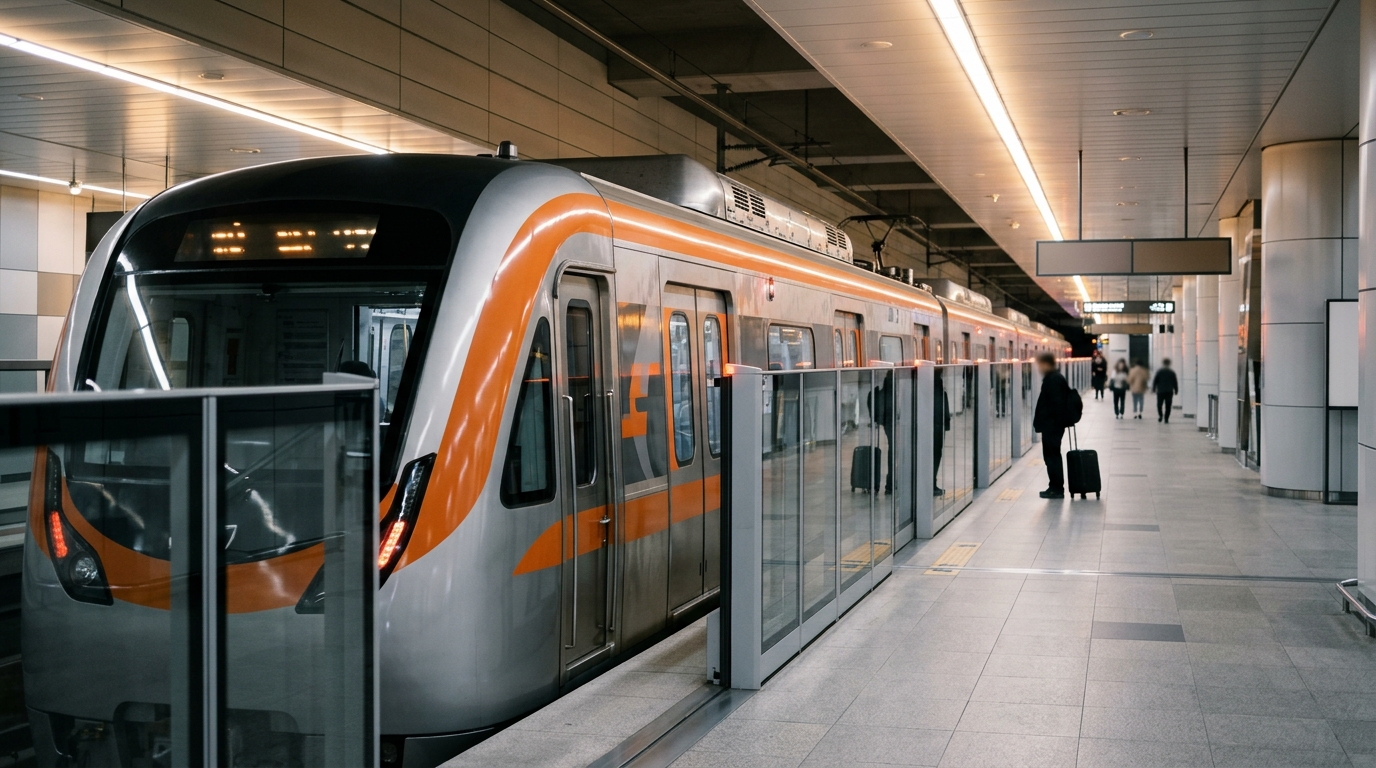
The core difference between the cards is payment structure. T-money works like a digital wallet where money is deducted per trip. The Climate Card acts as a flat-rate pass valid for a set number of calendar days.
Here is how the two options compare across essential features:
| Feature | T-money Card (티머니) | Seoul Climate Card (기후동행카드) |
|---|---|---|
| Card Cost | ₩2,500 – ₩4,000 (Non-refundable) | ₩3,000 (Non-refundable physical card) |
| Fare Type | Pay-as-you-go (Stored value) | Unlimited flat-rate pass (1, 2, 3, 5, or 7 days) |
| Subway Base Fare | ₩1,550 per trip | Included in flat pass price |
| Geographic Coverage | Nationwide (Seoul, Busan, Jeju, etc.) | Seoul Metro Area (Strict boundary limits) |
| Incheon Airport (AREX) | Fully valid (All AREX trains & buses) | Exit allowed (Boarding at Incheon Airport unsupported) |
| Shinbundang Line | Fully valid | Excluded |
| Subway Kiosk Reloads | Cash only | Foreign credit cards accepted (Lines 1–8) |
| Convenience Store Reloads | Cash only | Cash only |
| Public Bus Coverage | All city, regional, and express buses | Seoul city buses only (Red express buses excluded) |
| Non-Transit Usage | Taxis, convenience stores, vending | Transit only (No retail or taxi payment support) |
While T-money covers trains, buses, and stores across the entire country, the Climate Card caps daily transport spending inside Seoul. Taking four subway or bus rides a day makes the Seoul Climate Card cheaper than pay-as-you-go T-money on any multi-day tourist pass.
The Break-Even Math: Which Card Saves You Money?
Deciding whether the Climate Card saves money depends on daily transit volume. As of November 2026, the standard Seoul subway base fare with T-money is ₩1,550 for distances up to 10 kilometers, adding ₩100 for every 5 kilometers beyond that.
Short-term Climate Cards for international tourists are sold in five options:
- 1-Day Pass: ₩5,000
- 2-Day Pass: ₩8,000 (₩4,000/day)
- 3-Day Pass: ₩10,000 (₩3,333/day)
- 5-Day Pass: ₩15,000 (₩3,000/day)
- 7-Day Pass: ₩20,000 (₩2,857/day)
Comparing these passes against standard T-money fares shows the daily ride count needed to break even:
[1-Day Pass: ₩5,000]  ---> Break-even: 3.23 rides (Need 4 rides/day)
[2-Day Pass: ₩8,000]  ---> Break-even: 2.58 rides (Need 3 rides/day)
[3-Day Pass: ₩10,000] ---> Break-even: 2.15 rides (Need 2 to 3 rides/day)
[5-Day Pass: ₩15,000] ---> Break-even: 1.94 rides (Need 2 rides/day)
[7-Day Pass: ₩20,000] ---> Break-even: 1.84 rides (Need 2 rides/day)
Take a 3-day itinerary. Riding the subway three times daily (for instance, traveling from Myeongdong to Gyeongbokgung Palace, heading to Seongsu, then returning to Hongdae) adds up to ₩4,650 in standard T-money fares per day, or ₩13,950 over three days. A 3-day Climate Card costs ₩10,000, saving money right away.
If an itinerary involves exploring single neighborhoods on foot or taking regional trains outside the city, T-money often costs less overall. For pass breakdown details, see the Seoul short-term Climate Card guide.
Boundary Rules & Exclusions: Where Does the Climate Card Fail?
The main issue visitors encounter with the Climate Card is geographic boundaries. T-money works everywhere in South Korea, but the Climate Card is funded by the Seoul Metropolitan Government and only covers journeys within specific municipal limits.
Boarding inside Seoul (such as Seoul Station) with a Climate Card and exiting at an excluded location (like Suwon Station) locks the exit gate. Exiting at Incheon Airport is allowed when boarding inside Seoul, but boarding at Incheon Airport is excluded. Travelers exiting at other excluded stations must see station staff and pay an adjustment fare in cash. Anyone planning trips beyond municipal boundaries, such as a Suwon Hwaseong Fortress day trip, needs a T-money card for that leg of the trip.
Board in Seoul  ---> Exit in Seoul          = PASS VALID (Included)
Board in Seoul  ---> Exit Outside Seoul     = FARE ERROR (Station penalty fee applies)
Board Outside   ---> Exit in Seoul          = ENTRY DENIED (Turnstile will not open)
Purchasing, Top-Ups, and Foreign Credit Card Support
Buying and topping up transit cards used to be tricky for visitors because traditional T-money kiosks accept only South Korean Won cash.
Physical Climate Cards cost ₩3,000 in cash at convenience stores (GS25, CU, Seven-Eleven, Emart24) near subway stations or at Seoul Metro Customer Centers (Lines 1–8). Residents with a Korean bank account and Alien Registration Card (ARC) can use the digital version on Android, but foreign tourists must use the physical card.
According to official Seoul Metro operational updates, as of March 17, 2026, automated kiosks across Seoul Metro Lines 1–8 accept foreign credit cards for Climate Card activation and reloads. Convenience stores still require cash for physical card purchases and top-ups.
For details on station kiosk settings, check the guide on foreign card transit kiosks in Seoul. Travelers looking for an option that combines currency exchange with transit payments can review the WOWPASS card guide.
Crucial Operating Rules: Calendar Days vs. The 24-Hour Card Lock Penalty
A few specific rules govern how Climate Card passes operate on daily trips.
Calendar Service Days vs. Rolling Timers
The Climate Card runs on a calendar service day basis, rather than rolling 24-hour periods. A 1-Day Pass tapped at 4:00 PM on Monday expires at 04:00 AM on Tuesday morning when overnight service resets. Activating a multi-day Climate Card early in the morning maximizes the total monetary value of your pass.
The 2-Strike Tag-Out Penalty Lock
Tagging off at subway exits or bus doors is required across South Korea to log trip distances and enable transfer discounts. Missing a tag-out with T-money forfeits the transfer discount and adds a maximum-distance fare on the next tap.
With the Climate Card, missing exit tags triggers a stricter operational rule:
Make sure the reader beeps and displays a green check before passing through turnstiles or stepping off Seoul city buses.
The Smart Hybrid Setup: Why Savvy Tourists Should Carry Both
Instead of picking one card exclusively, carrying both passes often works best.
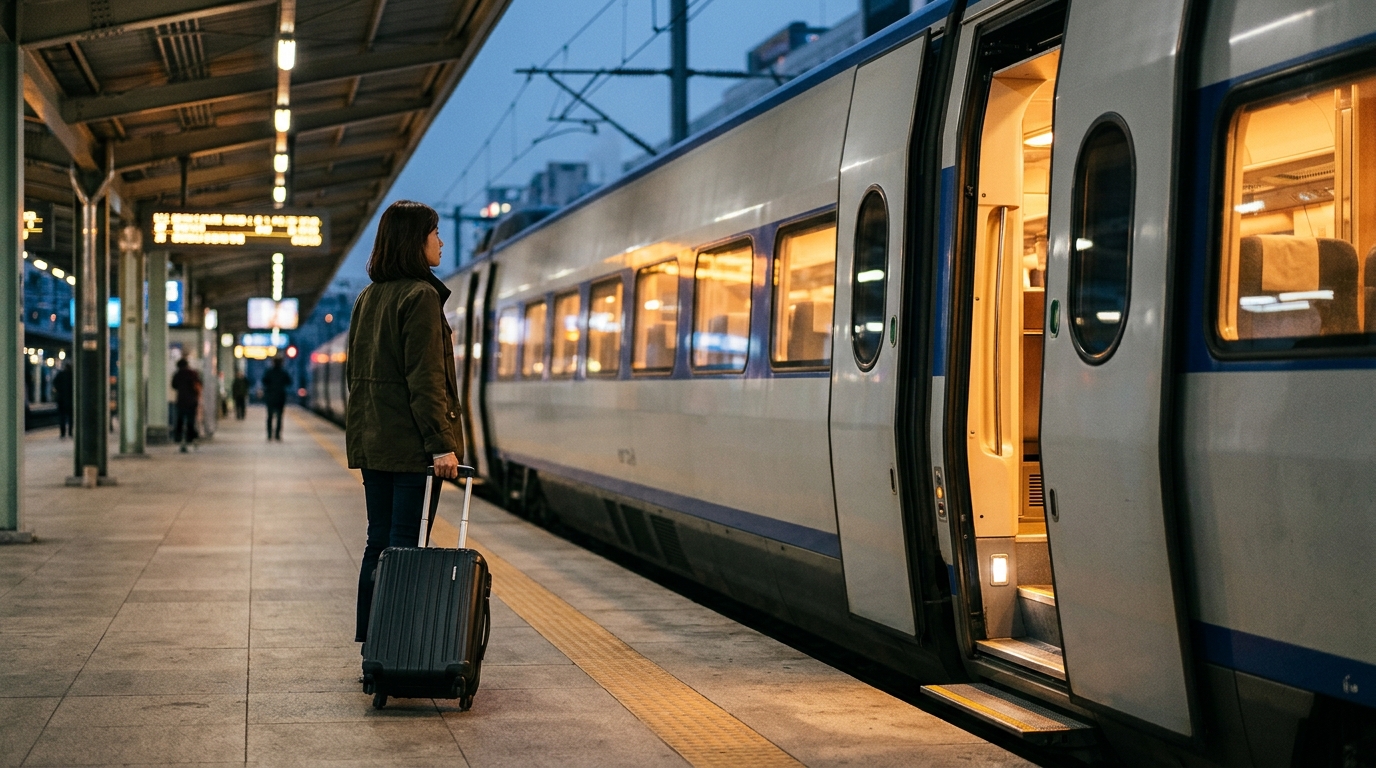
Because the Climate Card cannot pay for taxis, convenience store items, or suburban trains like the AREX express from Incheon Airport, keeping a T-money card with ₩10,000 to ₩20,000 handles any gaps.
When to Use Which Card:
-
Use the Seoul Climate Card for:
- Intensive sight-seeing days inside Seoul city limits (Myeongdong, Insadong, Hongdae, Seongsu, Gangnam).
- Unlimited hops on Seoul city buses and Seoul Metro Lines 1 through 9.
- Short trips where taking multiple brief transit legs saves walking distance.
-
Use your T-money Card for:
- Airport Transit: AREX express or all-stop trains from Incheon Airport to Seoul Station.
- Day Trips: Trips outside Seoul (e.g., Nami Island, Suwon Fortress, Incheon Chinatown).
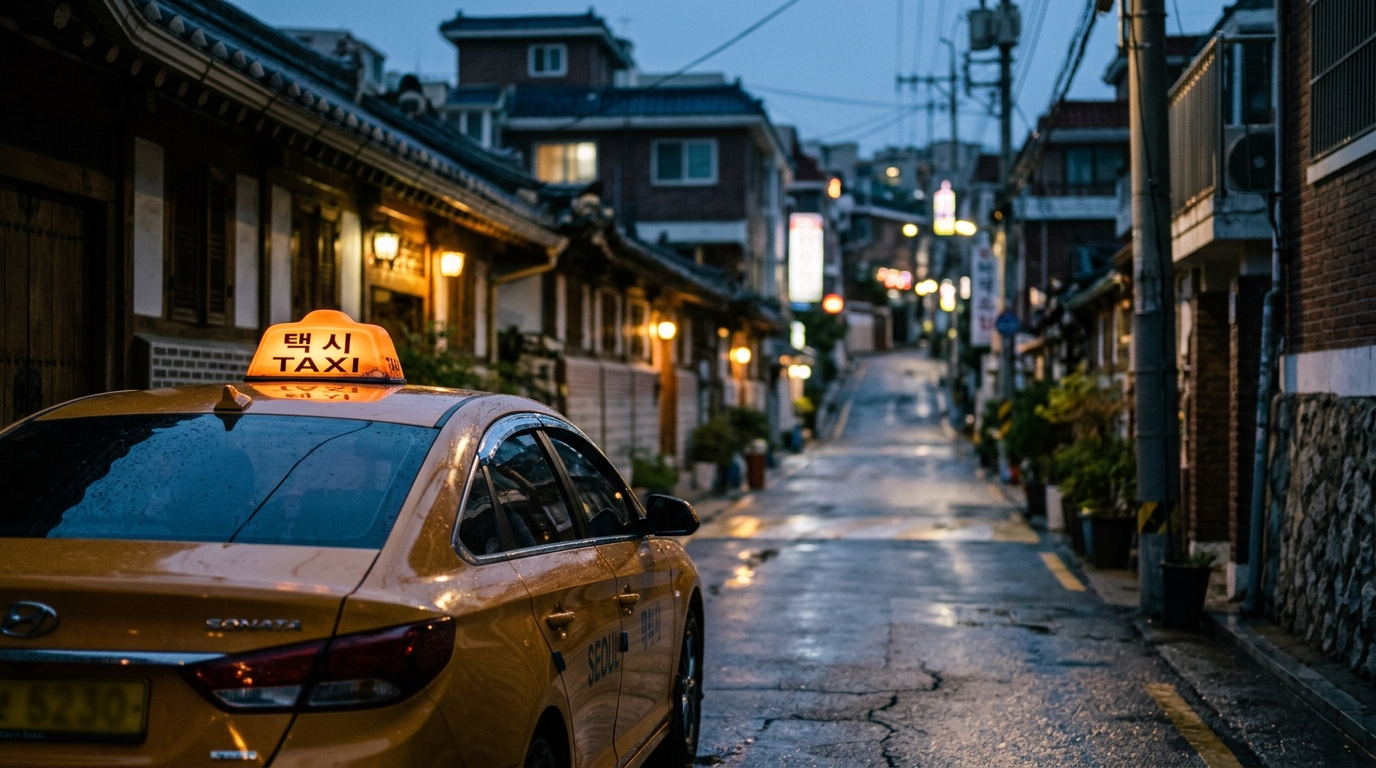
- Special Transit Lines: Shinbundang Line, Gyeonggi Red Express Buses, and taxis.
- Convenience Store Purchases: Quick payments at GS25, CU, or 7-Eleven when you prefer not using international credit card processing fees.
Using the Climate Card inside municipal borders and keeping T-money ready for out-of-city links keeps transport simple and cost-effective.
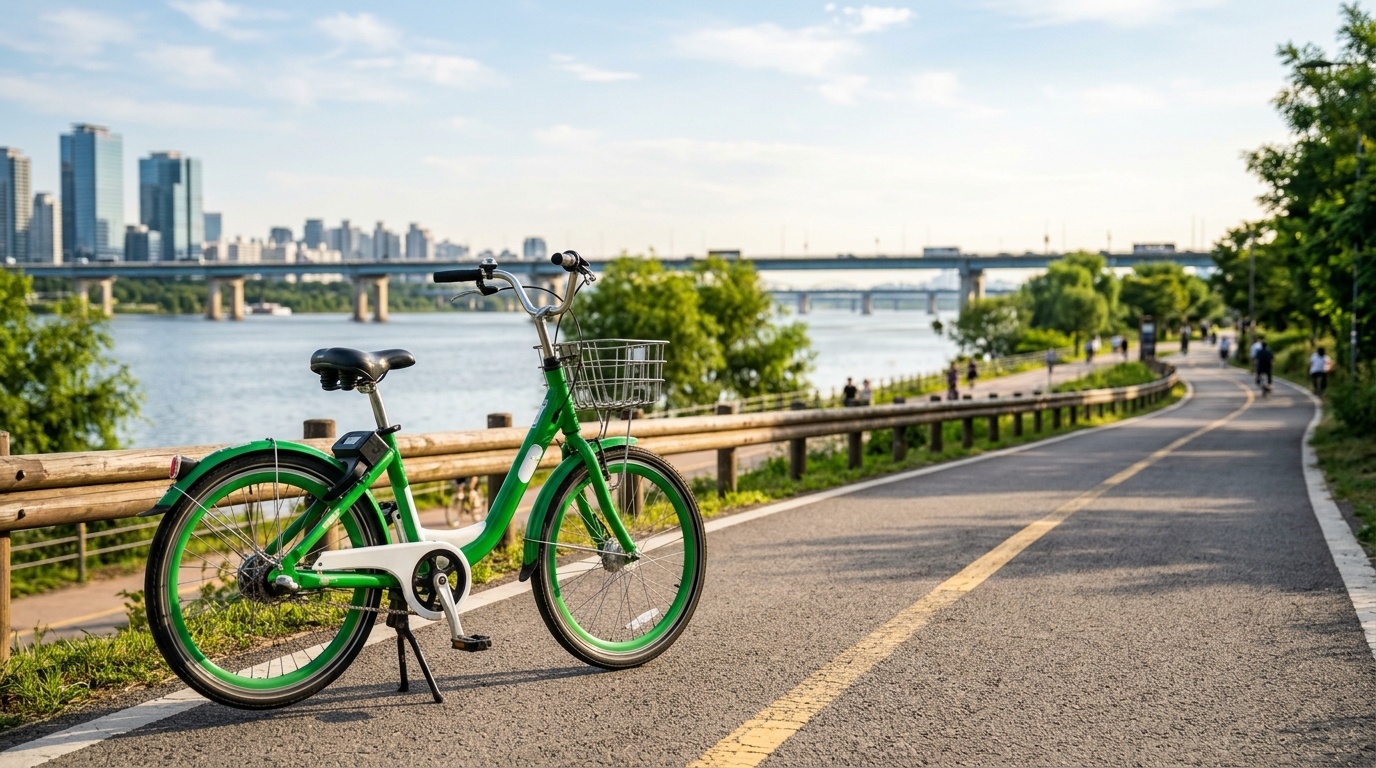
For short-term tourist cards, note that public bicycle Ttareungi (따릉이) features are excluded, even though annual resident passes include them. For rental steps without a Korean phone number, read the guide on how to rent a Hangang bike via Ttareungi.
Frequently asked questions
Q. Can I use the Seoul Climate Card directly from Incheon Airport?
No, the Climate Card does not cover boarding AREX trains at Incheon International Airport. While exiting at Incheon Airport when traveling from Seoul is supported, traveling from Incheon Airport into Seoul requires a T-money card or a separate ticket.
Q. Can foreign tourists pay for Climate Card reloads with credit cards?
Yes. As of March 2026, foreign credit cards (Visa, Mastercard, JCB) are accepted at automated subway station kiosks on Seoul Metro Lines 1–8. Convenience stores, however, still require cash for physical card top-ups.
Q. What happens if I forget to tag out with a Climate Card?
If you fail to tag off when exiting subways or buses twice within your active pass period, the Climate Card is locked automatically for 24 hours from your last recorded tap, rendering it unusable until the penalty expires.
Q. Does a 1-day Climate Card last for 24 hours from purchase?
No, the Climate Card operates on a calendar service day system. A 1-day pass expires at 04:00 AM on the day following activation, regardless of what time you first tap the card during the day.
Q. Is T-money valid outside of Seoul?
Yes, T-money is a universal nationwide transit card usable on subways, city buses, taxis, and convenience stores across South Korea, including Busan, Jeju Island, Daegu, and Incheon.