K-Pop Festival Tickets for Foreigners: Year-End Guide
Key takeaways
International tourists can purchase year-end K-Pop festival tickets like SBS Gayo Daejeon by booking authorized foreigner packages through global travel platforms (such as Klook, Trazy, or Creatrip). Because domestic primary ticketing requires Korean mobile identity verification, non-residents must rely on official travel packages that include shuttle transport and physical passport verification.
Securing K-Pop festival tickets for foreigners during the year-end season requires international tourists to book authorized travel packages through verified global platforms. Direct sales on standard South Korean ticketing websites require a domestic phone number and local identity verification, leaving non-resident visitors locked out of primary drops. Securing entry requires an understanding of authorized reseller packages, strict passport verification procedures at the gates, and late-night venue transit options.
Broadcast Gayos vs. Award Shows: Navigating Korea's Year-End Lineup
South Korea's year-end music season splits into two main event types: network broadcast festivals like Gayo Daejeon or Gayo Daejeojeon, and industry award ceremonies like the Melon Music Awards, MAMA Awards, or Golden Disc Awards. Major terrestrial networks—SBS, KBS, and MBC—air live television spectacles featuring collaborative stages, special unit covers, and high-profile group comebacks. SBS Gayo Daejeon (SBS 가요대전) runs two separate annual events: a summer edition and a winter showcase, with the 2026 Winter edition taking place over two days on December 24 and December 25 at KINTEX in Goyang. While terrestrial network broadcasts like the KBS Music Bank Global Festival and MBC Gayo Daejeojeon anchor late-December television programming, industry award ceremonies focus on official trophy presentations based on digital and physical chart performance.
Unlike solo concerts, year-end festivals pack dozens of groups into single multi-act lineups. Broadcast schedules keep individual set times short, usually capped at two to three songs per group. Arena layouts generally feature VIP ground seating close to the main stage or extended runway, elevated reserved seating, and standing zones where queue order determines placement. If you want to see annual trophy presentations, extended sets, and chart award ceremonies, check our guide on how to buy K-Pop award show tickets as a foreigner.
The Verification Barrier: Why Primary Ticket Sites Block Non-Residents
Primary ticket sales for domestic residents in South Korea depend on a digital identity verification system called bonin injeung (본인인증). This national authentication process requires a South Korean Alien Registration Card (ARC) or a local mobile subscription registered under the user's exact legal name through SKT, KT, or LGU+.
Without a Korean ARC or local postpaid mobile contract, international tourists cannot buy tickets through domestic channels. Bypassing the system with temporary SIM cards, rented numbers, or proxy accounts causes tickets to be canceled during mandatory passport checks at the venue. Under South Korea's anti-scalping legislation updated in August 2026, secondary ticket transfers on unauthorized resale platforms are illegal, and gate security routinely turns away invalid ticket holders after checking names against physical IDs.
Authorized Booking Channels for International Tourists
To serve international fans without Korean residency, networks and event promoters allocate dedicated ticket quotas to licensed travel agencies and global ticketing portals. These legitimate sales bypass domestic mobile verification through physical passport authentication.
Can foreigners buy SBS Gayo Daejeon tickets directly without a shuttle package? Official organizers distribute foreign ticket allocations almost exclusively as bundled travel products to guarantee safe transit and prevent ticket scalping. Promoters work with official platforms—including Klook, KKday, Trazy, Creatrip, and NOL World (Yanolja)—to sell entry bundled with mandatory round-trip shuttle transportation or hotel stays. Charter buses solve late-night transit challenges while allowing organizers to maintain tight control over distribution.
Year-End K-Pop Festival Ticket & Package Cost Breakdown
Foreigner travel packages cost more than domestic face-value tickets because they bundle round-trip private coach transport, localized customer support, and on-site assistance. Final pricing varies by seat location, Seoul shuttle pick-up point, and optional hotel add-ons. The table below details common package costs based on winter 2026 platform listings.
| Package Type | Inclusions | Estimated Cost (KRW) | Estimated Cost (USD) |
|---|---|---|---|
| Standard Shuttle Package | Festival Ticket + Round-Trip Coach Transport | ₩150,000 – ₩300,000 | $110 – $220 |
| Premium Ground Seating | VIP Floor/Standing Ticket + Round-Trip Coach | ₩320,000 – ₩480,000 | $235 – $350 |
| Hotel & Ticket Combo | Festival Ticket + 1-2 Night Hotel Stay + Shuttle | ₩450,000 – ₩850,000+ | $330 – $620+ |
| City Sightseeing Combo | Festival Ticket + Seoul Day Tour + Shuttle | ₩220,000 – ₩380,000 | $160 – $280 |
Check payment terms before finalizing a booking. Global travel platforms accept major foreign credit cards without demanding domestic verification, though your bank may charge currency conversion fees. Note the strict operational timelines: foreign ticket buyers must exchange their vouchers on-site before redemption booths close, typically between 5:00 PM and 6:00 PM KST. Missing that window forfeits the booking without a refund. For managing everyday spending and transit during your trip, read our guide on WOWPASS foreign card top-ups and transit features.
Strict Entry Rules & Passport Verification Guidelines
Venue security at major year-end festivals strictly checks identity to prevent ticket reselling and proxy entry. Resold physical ticket stubs are not accepted; every fan must exchange their voucher for an official wristband at the booth.
Minors under 15 years of age are strictly prohibited from entering major broadcast festivals like SBS Gayo Daejeon, even with valid tickets and adult guardians. On-site staff verify birth dates against physical passports at redemption windows, turning away anyone below the age limit immediately. Broadcasting standards and municipal rules enforce this requirement across all major shows, so check age policies before booking if traveling with younger family members.
Venue Transit Logistics: Returning to Seoul After Midnight
Because of their massive scale, year-end festivals usually take place in large arenas outside central Seoul. Frequent venues include Inspire Arena on Yeongjongdo Island near Incheon International Airport, KINTEX in Goyang, and Gocheok Sky Dome in western Seoul's Guro District.
Getting back to central Seoul after midnight creates a serious hurdle. Live shows wrap up around midnight or 12:30 AM, well after regular subway lines and suburban trains have stopped running.
Without a pre-booked travel package that guarantees private shuttle transport back to hubs like Hongdae or Myeongdong, you risk being stranded. Facilities like Inspire Arena require crossing toll bridges from Yeongjongdo, where taxi drivers frequently refuse long-distance fares. Waiting for unreserved taxis along freezing coastal roads leaves visitors exposed to sub-zero temperatures. If you ever find yourself needing a taxi in an emergency, learn how to use Kakao T without a local Korean phone number.
Winter Queue Survival and Venue Security Regulations
Attending a year-end K-Pop show means spending hours outside in South Korea's freezing winter weather. December temperatures in Incheon and Goyang routinely drop between -5°C and -10°C (23°F to 14°F), made worse by strong coastal winds. Outdoor ticket redemption windows typically operate from 12:00 PM until 5:00 PM or 6:00 PM, forcing attendees to queue outside hours before arena doors open.
Wearing heavy cold-weather apparel, including thermal underlayers and ankle-length padded down coats, is mandatory for surviving multi-hour outdoor queuing in Korean winter temperatures. Pack adhesive heat packs (hottpack), thermal socks, windproof gloves, and insulated beanies to stay warm while waiting. Review our guide on Korean long padding coat etiquette and winter outfit tips to prepare for outdoor waiting periods.
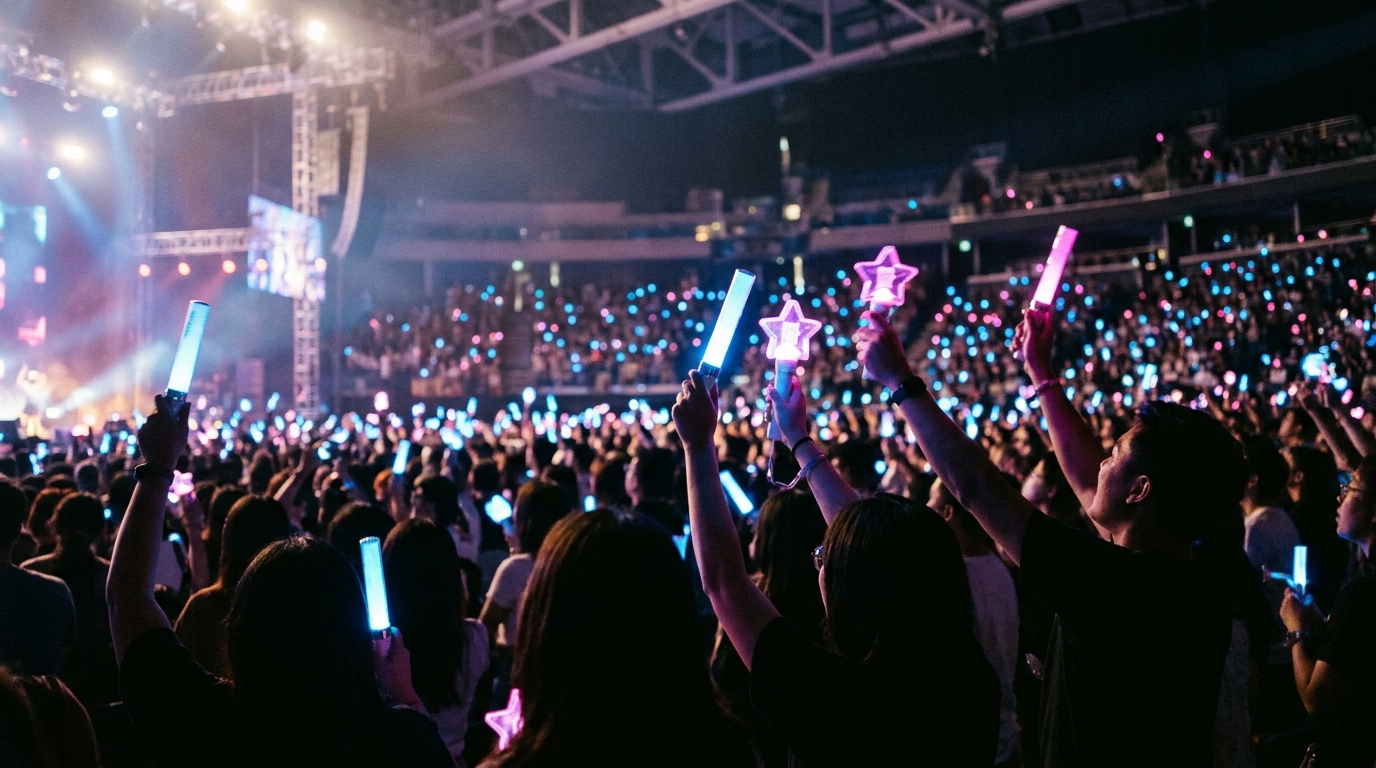
Security policies at broadcast shows are strictly enforced. Professional camera gear—including DSLRs, mirrorless cameras, detachable telephoto lenses, tripods, and selfie sticks—is forbidden. Security guards search bags at entry gates and confiscate or send unapproved recording gear to external lockers at your expense. Standard official lightsticks are allowed inside, provided they follow official artist merchandise guidelines. To buy a lightstick in advance, browse our list of official K-Pop lightstick stores in Seoul.
Frequently asked questions
Q. Can foreigners buy SBS Gayo Daejeon tickets directly without a shuttle package?
No, non-resident foreign tourists cannot buy stand-alone domestic tickets directly from primary Korean ticket sites due to identity verification limits. Network allocations for non-residents are distributed exclusively through licensed travel platforms as bundled ticket and round-trip shuttle packages requiring physical passport verification.
Q. Is identity verified at the gate for year-end K-Pop festivals?
Yes, venue staff strictly enforce on-site identity verification at foreigner redemption booths. Attendees must present a physical passport that matches the exact legal name listed on their digital booking voucher. Scans, mobile screen photos, and transferred ticket stubs are systematically rejected.
Q. How do foreign attendees return to central Seoul after midnight broadcast shows?
Most year-end festivals end around midnight, past the operational hours of regular Seoul subways. Foreign tourists should rely on pre-booked official charter shuttles included in their ticket packages, which transport fans back to major central hubs like Myeongdong, Hongdae, or Dongdaemun.
Q. Can children under 15 years old attend SBS Gayo Daejeon with their parents?
No, major year-end broadcast events like SBS Gayo Daejeon enforce a strict minimum age requirement. Attendees under 15 years old are denied venue entry even if accompanying parents or legal guardians hold valid tickets.
Q. Are professional cameras allowed inside year-end broadcast venues?
No, security policies strictly forbid professional cameras, detachable telephoto zoom lenses, tripods, and selfie sticks inside broadcast venues. Security personnel perform mandatory bag checks at all entrance gates and confiscate unapproved photography equipment.