Daegu Travel Guide: Top 5 Places to Visit, 4-Season Itineraries, and Transit Tips
Key takeaways
To maximize efficiency when traveling in Daegu, it is best to organize your itinerary around five core attractions: Kim Gwang-seok Street, Seomun Market, Cheongna Hill, Suseong Lake/Apsan Observatory, and Palgongsan Cable Car. Tailor your activities seasonally—enjoying outdoor walks in spring and autumn while opting for indoor venues and night views in summer and winter. Taking advantage of KTX-discounted City Tour Buses and the Subway Line 3 Monorail will help you enjoy a budget-friendly trip.
Daegu Metropolitan City is a key Southern destination where rich historical heritage seamlessly meets modern culture. Following the incorporation of Gunwi-gun, Gyeongsangbuk-do on July 1, 2023, its total area expanded to approximately 1,499 km², making it the largest metropolitan city by land area in South Korea. With an extensive transit network centered around Dongdaegu Station—served by KTX and SRT high-speed trains—it is a consistently popular destination for day trips or weekend getaways without a car. Here is a step-by-step guide covering five top attractions to minimize travel time, recommended seasonal itineraries, and budget-friendly transit tips.
How Can You Optimize Your Route in Daegu? Here Are the Top 5 Must-Visit Attractions
To enjoy an efficient trip to Daegu, it is best to balance downtown modern cultural heritage sites with suburban natural scenery along a seamless route. Here are five top attractions close to Dongdaegu Station and subway lines that will help you save travel time.
| Attraction | Location (Zone) | Highlights & Key Features | Recommended Visit Time |
|---|---|---|---|
| Kim Gwang-seok Story Road | Daebong-dong, Jung-gu | A 350m mural street and outdoor venue honoring the late singer | 14:00 ~ 16:00 (Alleyway café hopping) |
| Seomun Market & Night Market | Keunjang-ro, Jung-gu | The largest traditional market south of the Han River with weekend night market street food | Daytime (Shopping) / Nighttime (Night market food) |
| Cheongna Hill & Gyesan Cathedral | Dalgubeol-daero, Jung-gu | Course 2 of the Modern History Alley Tour, featuring century-old modern architecture | 10:00 ~ 12:00 (Strolling and photography) |
| Suseong Lake & Apsan Observatory | Suseong-gu / Nam-gu | Lakefront promenade, night musical fountain show, and panoramic city night views | 18:00 ~ 21:00 (Sunset and night views) |
| Palgongsan Cable Car | Palgongsan-ro, Dong-gu | Panoramic views of Daegu and seasonal nature from 820m above sea level | 10:00 ~ 15:00 (Daytime scenery) |
1. Kim Gwang-seok Story Road
This 350-meter street runs alongside Bangcheon Market in Daebong-dong, where the late folk singer Kim Gwang-seok spent his childhood. Murals depicting his beloved song lyrics and memories line the street, making it a wonderful photo spot. Charming cafés and artisan workshops tucked away in the alleys offer a cozy place to relax and enjoy a leisurely afternoon.
2. Seomun Market & Seomun Night Market
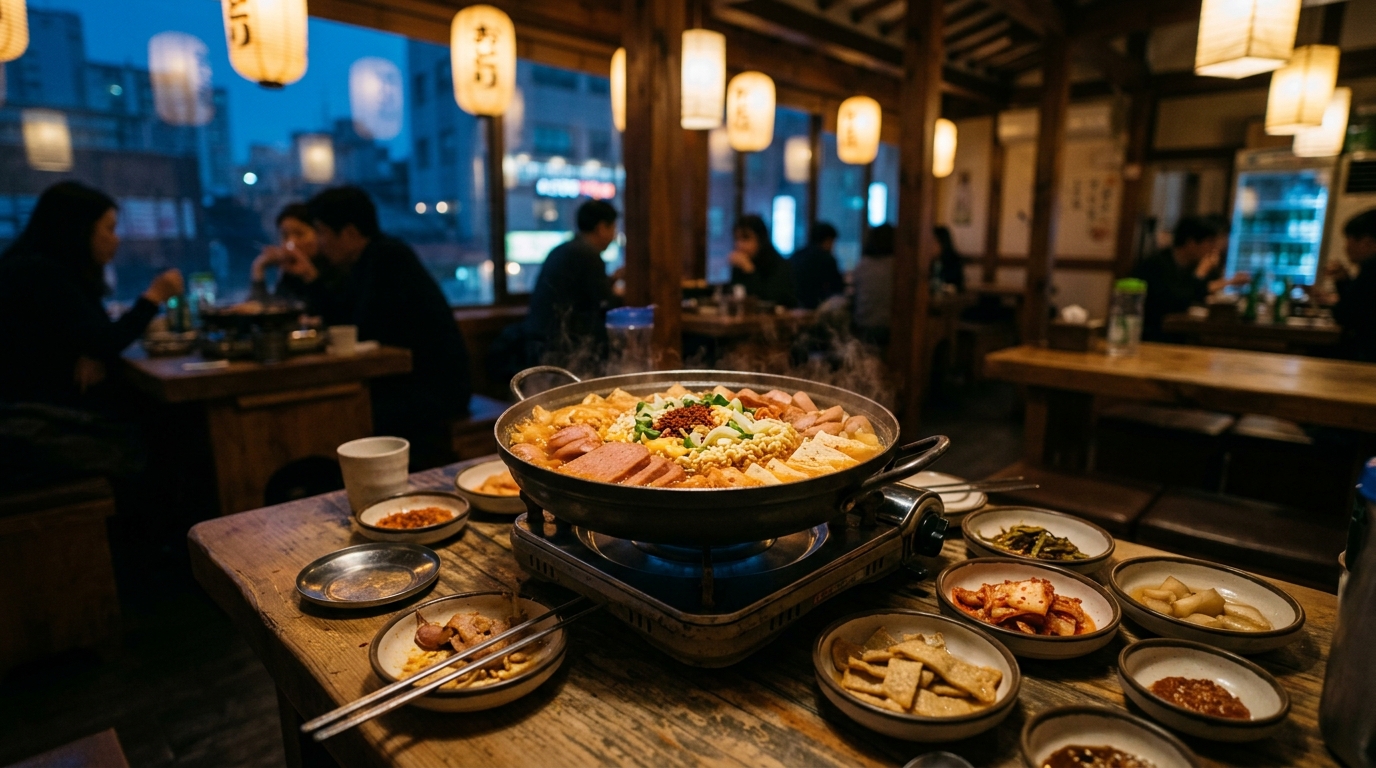
Renowned as one of the three major markets during the Joseon Dynasty, Seomun Market is the best place to experience Daegu's vibrant culinary culture. You can sample local comfort foods like kaljebi (knife-cut noodles with hand-torn dough), flat dumplings (napjak mandu), and seed-filled hotteok at affordable prices. On weekend and holiday evenings, a bustling night market comes alive, offering an exciting street food tour under the night lights.
3. Cheongna Hill and Gyesan Cathedral
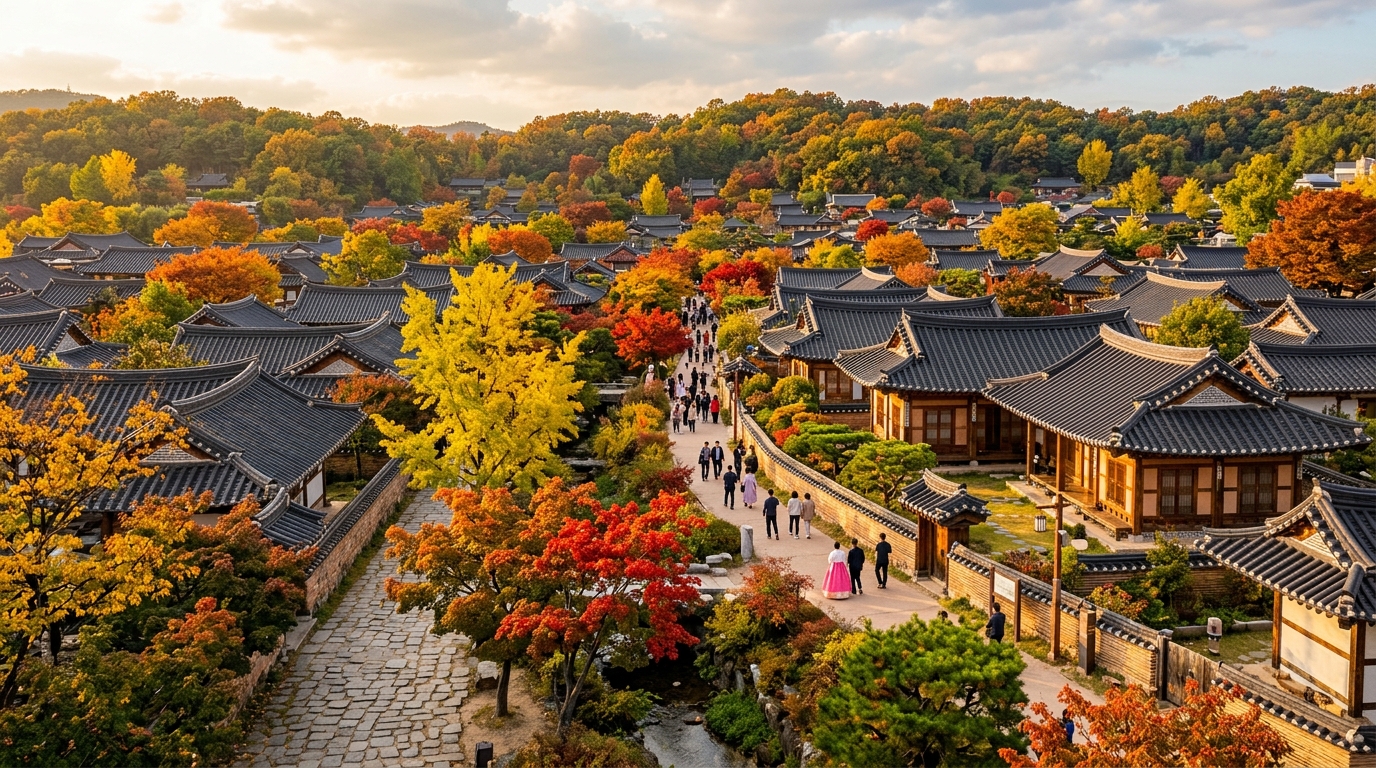
Cheongna Hill, the highlight of the Modern History Alley Tour, features well-preserved early 20th-century Western missionary houses that exude classic charm. Nearby, Gyesan Cathedral showcases striking Gothic architecture and rich Catholic heritage. Detailed cultural heritage information is available on VisitKorea Travel Information.
4. Suseong Lake and Apsan Observatory
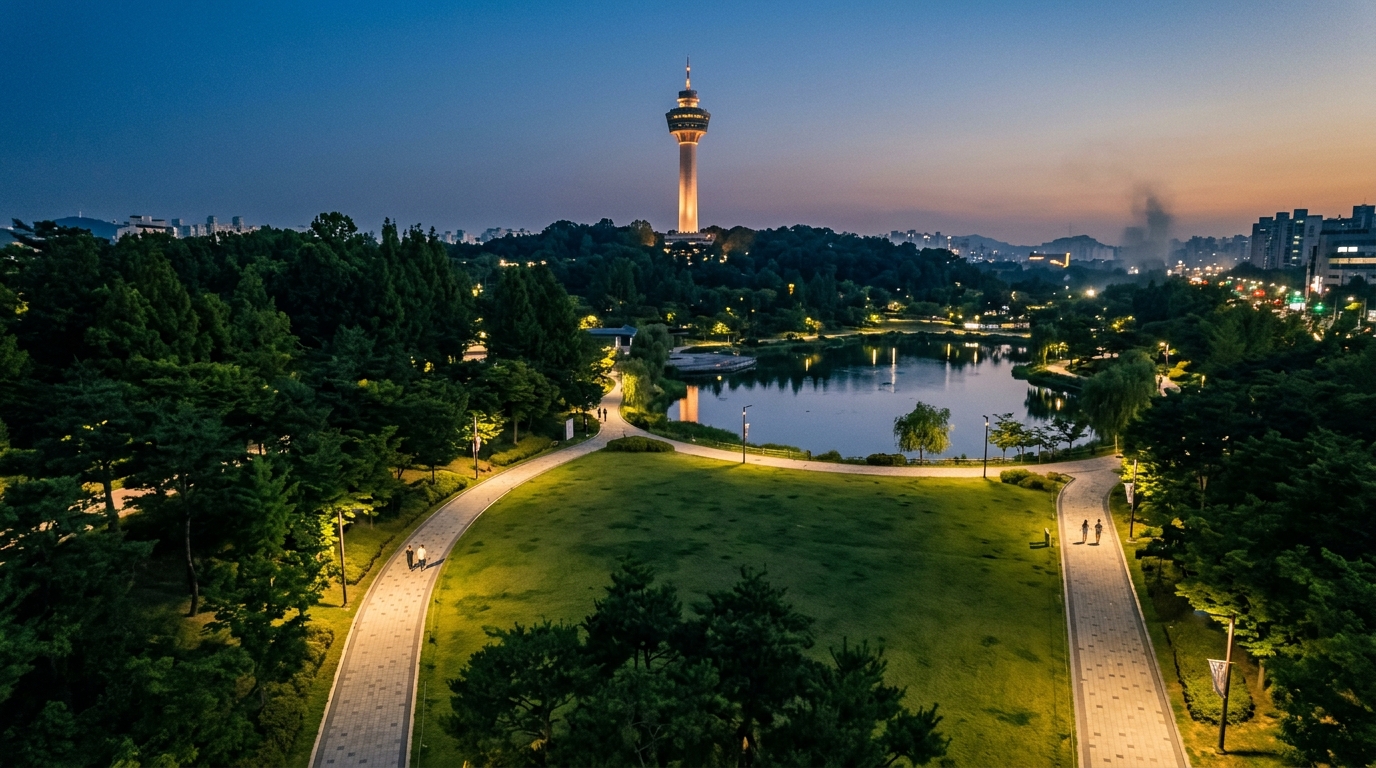
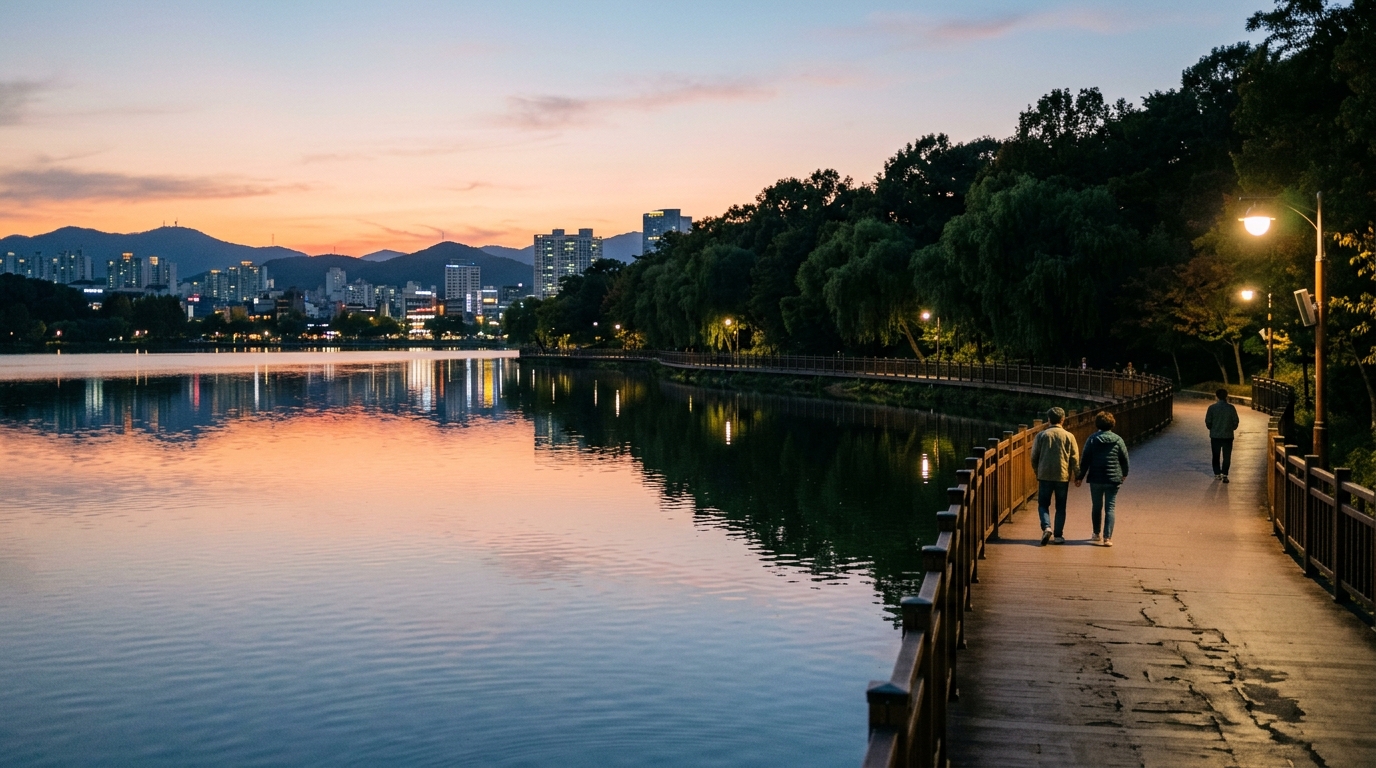
Suseong Lake is a favorite local retreat featuring manicured lakeside walking paths and vibrant musical fountain shows. In the evening, take the Apsan Cable Car up to Apsan Observatory to enjoy sweeping night views over the illuminated Daegu skyline.
5. Palgongsan National Park & Cable Car
Famous for the Gatbawi Buddha statue, Mt. Palgongsan is Daegu's iconic mountain. Riding the cable car up to the peak area at 820 meters above sea level reveals panoramic vistas of Birobong, Dongbong, Seobong, and Sillimbong peaks. The expansive city views make it extremely popular with families and older travelers alike.
What Are the Best Four-Season Itineraries Tailored to Daegu's Climate?
Nestled in a basin, Daegu experiences notoriously hot summers and crisp winters. Adjusting your balance between outdoor and indoor activities according to the season will ensure a far more enjoyable trip.
Spring & Autumn: Outdoor Routes Focused on Nature
- Spring (March~May): Geumho Kkotseom (Hajungdo Island), situated in the middle of the Geumho River, turns into a stunning field of green barley and yellow canola flowers every spring. Yulhacheon Stream's golden coremopsis, Shasta daisies, and the Rose Park are also excellent flower-viewing spots.
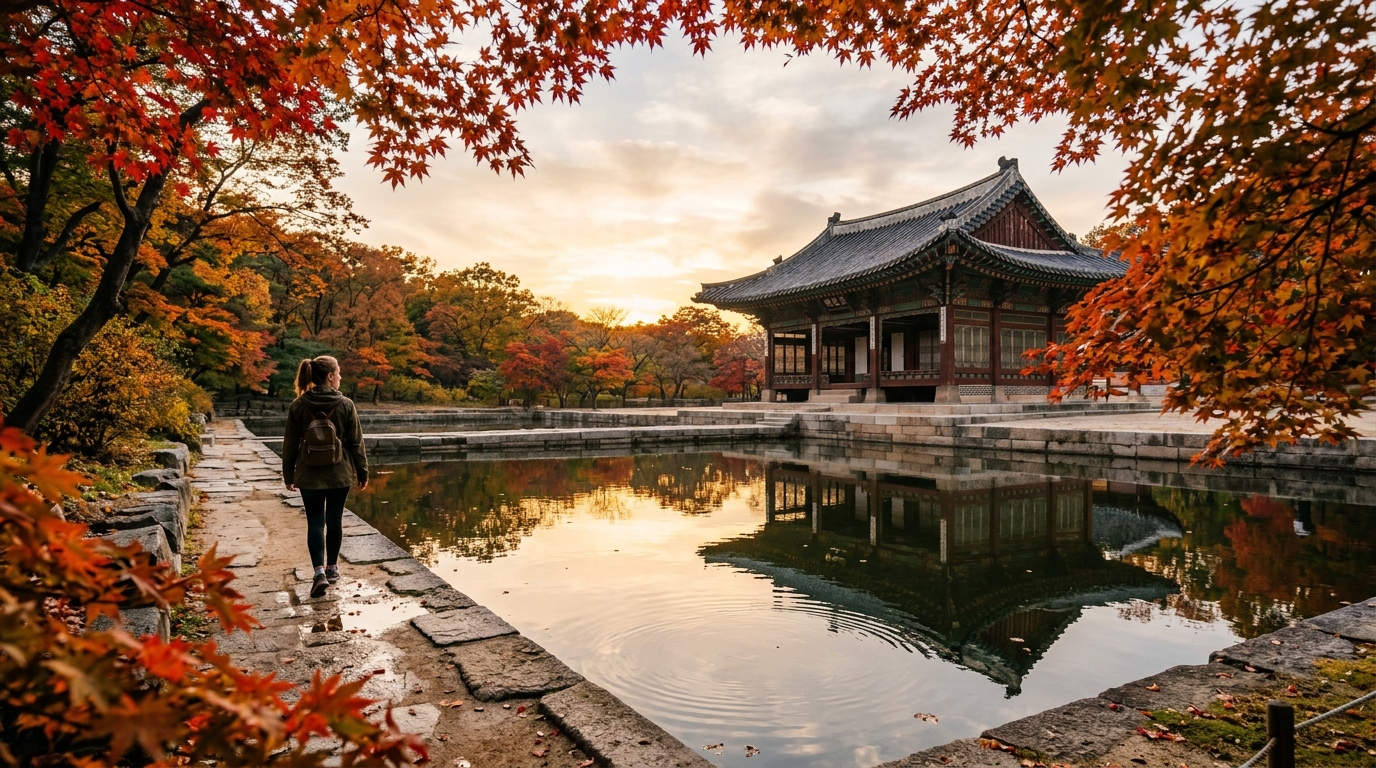
- Autumn (September~November): During autumn foliage season when Mt. Palgongsan displays vibrant colors, the Autumn Foliage Festival and cable car ride are major highlights. The cosmos blooms and silver grass fields on Geumho Kkotseom also add a lovely autumn vibe.
Summer & Winter: Indoor Cultural Spaces & Night View Routes
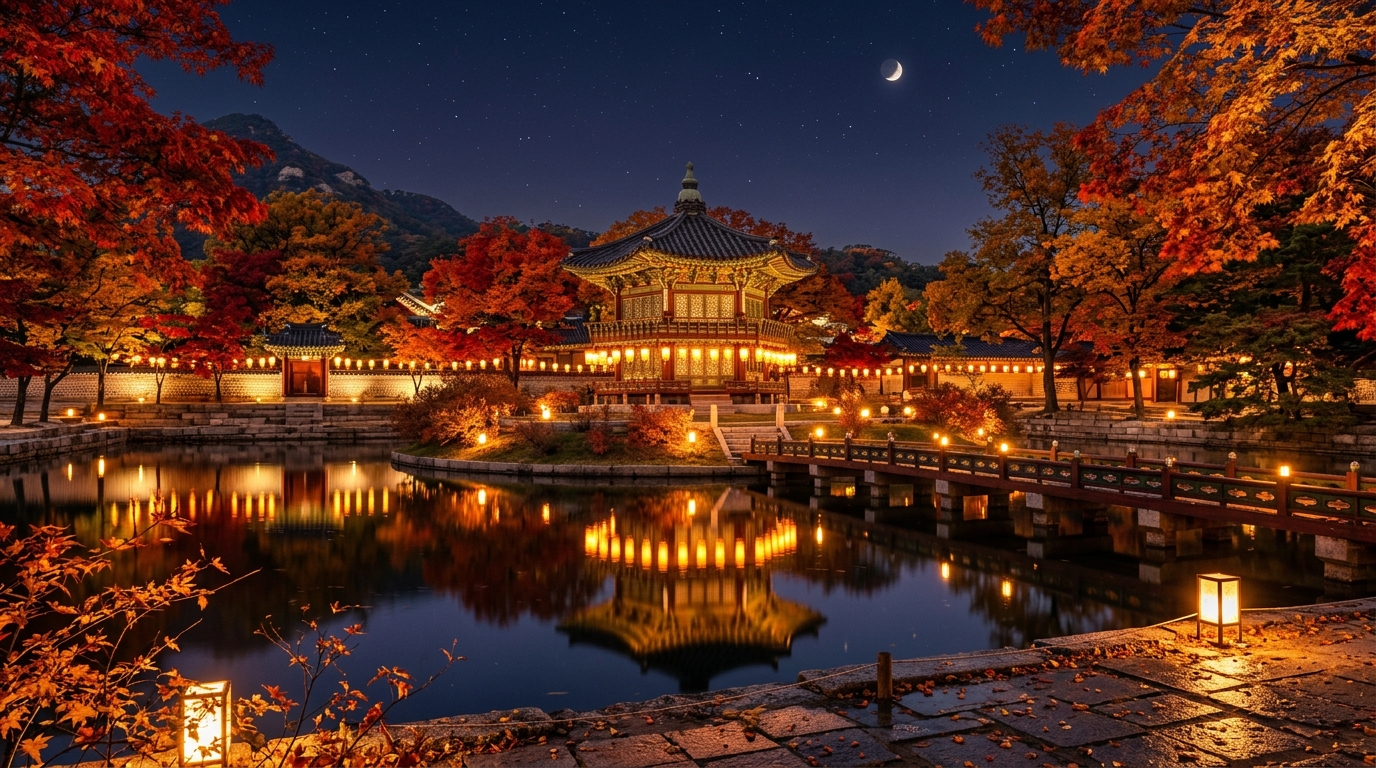
- Summer (June~August): During hot daytime hours, explore climate-controlled indoor spaces like the Daegu Museum of Art or the Daegu Gansong Museum. After sunset, escape the heat by strolling around Suseong Lake, visiting Apsan Observatory, or heading to Shincheon Waterfront Park for night views.
- Winter (December~February): Spend daytime hours visiting indoor spots along the Modern Alley Tour and Bangcheon Market. In the evening, warm up with hot soy milk broth (kongguk) or grilled pork intestines (makchang), followed by a trip to see the night views at E-World 83 Tower.
How Can You Save on Daegu Transit, From KTX Discounts to Line 3 Monorail?
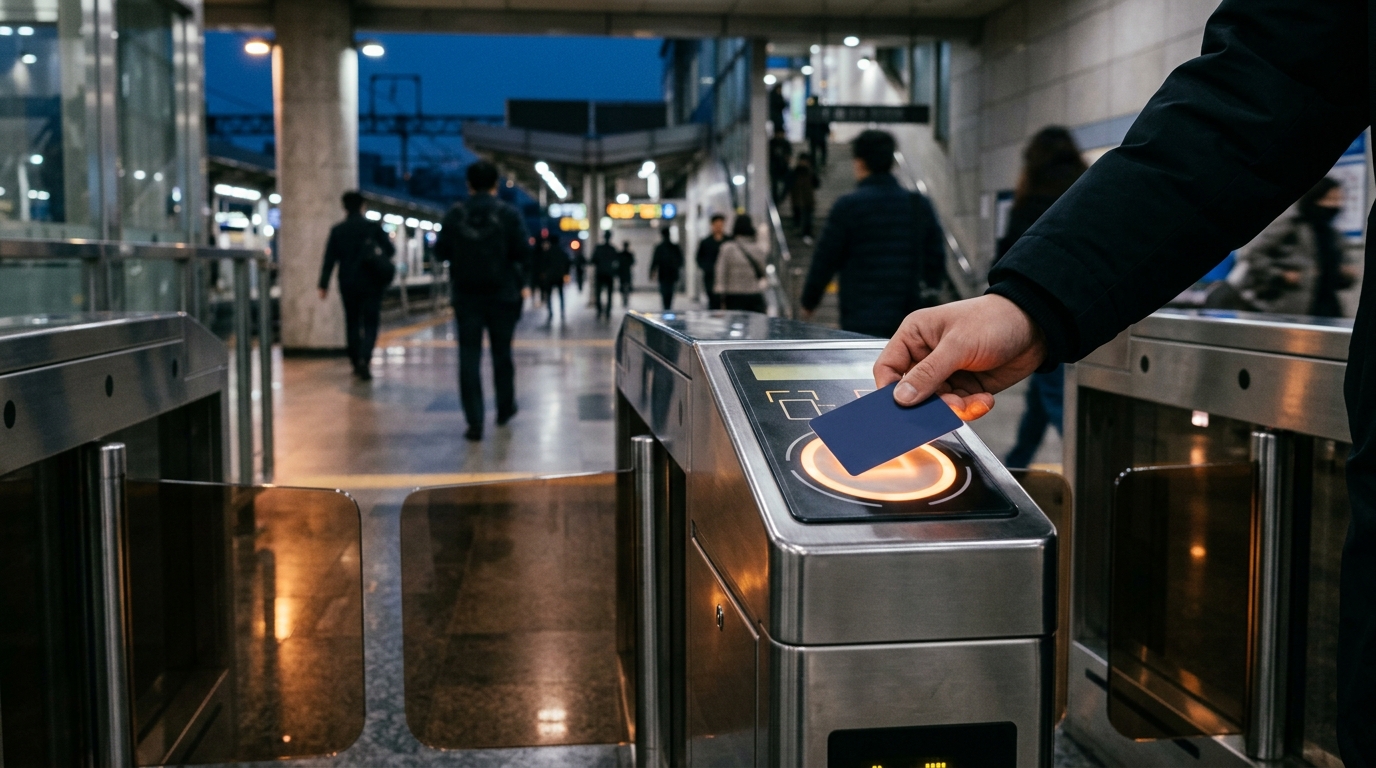
Daegu features an integrated transfer system between subway lines and buses, making it easy to reach major tourist spots using public transportation alone. In particular, taking advantage of the Line 3 Monorail and the City Tour Bus allows you to travel efficiently without traffic delays.
| Transport Mode | Fare (Adult Standard) | Key Features & Usage Tips |
|---|---|---|
| Subway (Lines 1, 2 & 3) | 1,500 KRW by card (1,700 KRW cash) | Core transfer network centered around Banwoldang Station (Lines 1 & 2) and Cheongna Hill Station (Lines 2 & 3) |
| Subway Line 3 (Sky Rail) | Same as standard subway fare (1,500 KRW) | Korea's first public monorail, perfect for enjoying elevated city views |
| Daegu City Tour (Downtown Loop) | Standard 10,000 KRW (8,000 KRW with discount) | 1-day unlimited hop-on hop-off loop visiting 12 major tourist stops |
1. Riding Subway Line 3 'Sky Rail'
Daegu Subway Line 3 is an elevated monorail that runs high above the city center. You can ride it at no extra cost for the standard subway fare (1,500 KRW with a transit card). Crossing over the Geumho River and offering unique aerial views of the cityscape, the ride itself serves as a fantastic sightseeing activity. You can transfer to Line 2 at Cheongna Hill Station.
2. Daegu City Tour Bus Discount with Train Tickets
Upon arriving at Dongdaegu Station or Daegu Station, check the downtown loop route on the Official Daegu City Tour Website. Presenting a same-day KTX, SRT, or express bus ticket grants a 20% discount off the standard adult fare of 10,000 KRW, reducing it to 8,000 KRW. Unlimited hop-on, hop-off access throughout the day makes it exceptionally convenient for travelers without a vehicle.
What Are Essential Checkpoints Before Traveling to Daegu?
Here is a collection of practical tips to double-check before departure to ensure a smooth trip to Daegu.
Frequently asked questions
Q. What is the best itinerary for a day trip to Daegu?
The most efficient day-trip route starts at Dongdaegu Station, visits Cheongna Hill and Gyesan Cathedral in the Modern Alley, stops at Seomun Market for lunch, and finishes with Kim Gwang-seok Story Road and the night view at Suseong Lake.
Q. Can I purchase Daegu City Tour Bus tickets on-site and get discounts?
Yes, you can pay directly to the bus driver upon boarding. Passengers holding a same-day KTX, SRT, or express bus ticket receive a 20% discount (8,000 KRW).
Q. Is the Daegu Subway Line 3 Monorail the same price as regular subway lines?
Yes, Subway Line 3 (Sky Rail) costs the same as standard city buses and Subway Lines 1 and 2 (1,500 KRW with a transit card), and transfer discounts apply equally.
Q. What are the operating hours for Seomun Night Market and closing days for regular shops?
Regular shops at Seomun Market operate from 09:00 to 18:00 and close on the 1st and 3rd Sunday of every month. Seomun Night Market opens mainly on Friday, Saturday, and Sunday evenings and public holidays.