5 Fall Camping Essentials to Cut Your Packing Volume by 50% for October Holidays
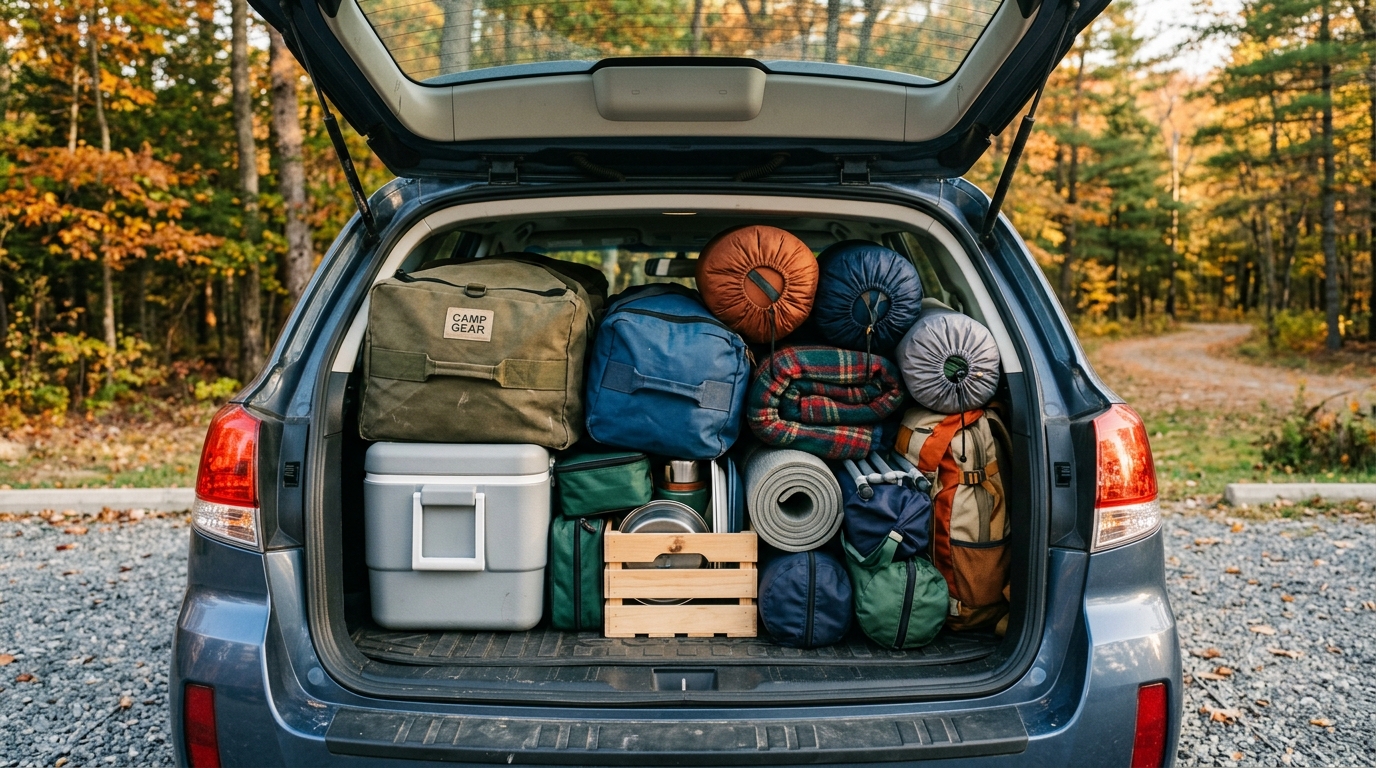 AI-generated image
Key takeaways
Fall camping in October brings steep 10-15°C temperature swings, causing cold-weather gear to double trunk volume. By using space-saving gear like high-fill-power down sleeping bags, compression packing cubes, and collapsible water bags, you can reclaim over 50% of your trunk space while staying warm.
When heading out for a long weekend fall camping trip in October, using multi-functional lightweight gear and smart compression packing can cut your luggage volume by nearly 50%. Since temperature swings between day and night reach 10~15°C in autumn, packing heavy cold-weather gear quickly becomes a burden. The key is choosing items with high thermal efficiency relative to their size.
As of September 2026, major retail channels and camping expos are featuring compact, high-performance gear designed to lighten your load for autumn and winter trips. Here are practical packing tips to free up trunk space and keep the chilly weather at bay.
Why Does Trunk Cargo Double During October Fall Camping Trips?
The main reason fall camping gear suddenly swells is the extreme temperature difference between day and night. In early-to-mid October, daytime campsite temperatures hover around a pleasant 20°C, but overnight and early morning temperatures drop below 8~10°C, plunging to 3~5°C in mountain valleys and streamside areas.
Because of this, cold-weather items like thick winter sleeping bags, padded jackets, electric blankets, and space heaters become absolute necessities, quickly filling up your car trunk. Instead of cramming items in blindly, it is time to reorganize around fall camping storage gear that slashes overall packing volume.
Top 5 October Holiday Camping Items to Cut Packing Volume by 50%
Here are five essential gear choices that minimize bulk while keeping out the chilly autumn night air.
1. High-Fill-Power Down Sleeping Bags for 3-Season/Winter Use
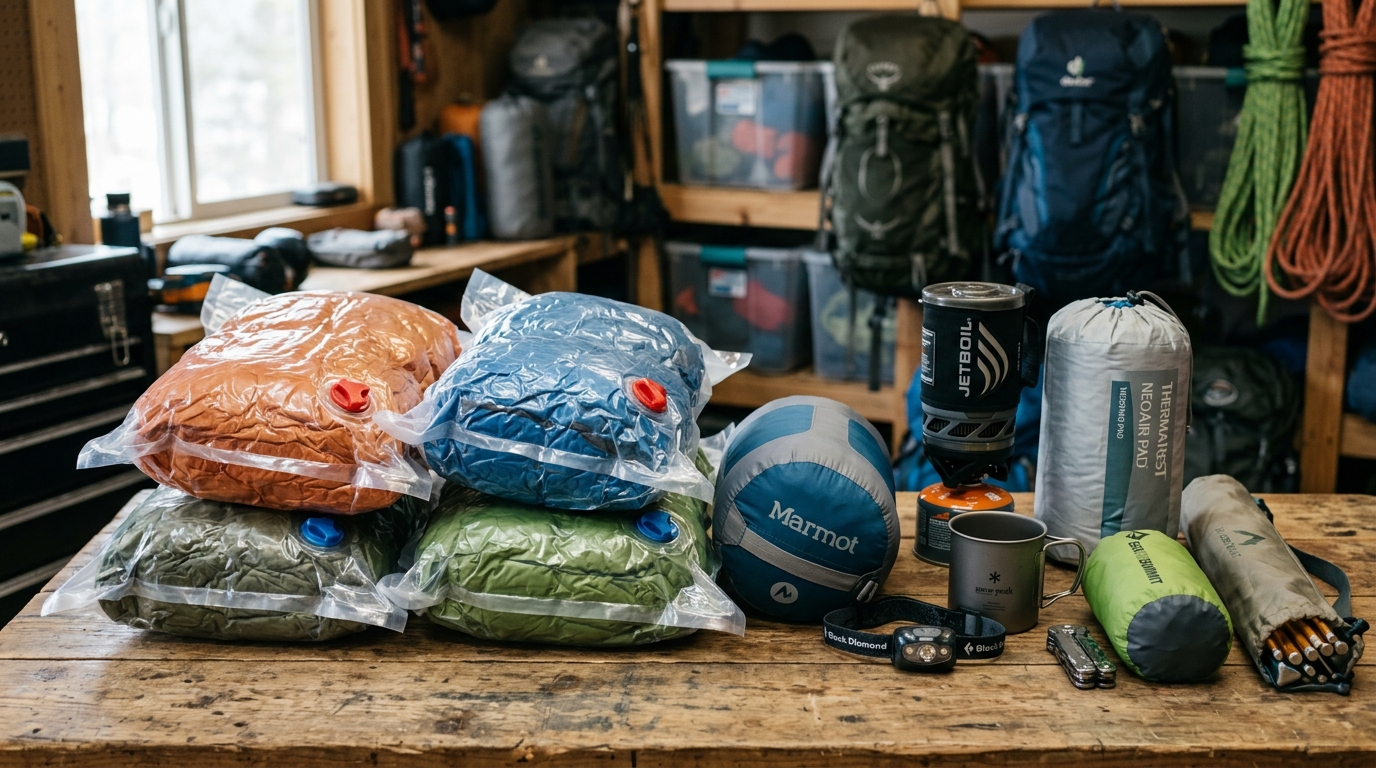
Compared to synthetic sleeping bags, down sleeping bags deliver the same insulation while reducing compressed volume by over 60%. Packing a lightweight down bag with a fill power (FP) of 700+ compresses down to the size of a soccer ball, freeing up significant trunk space.
2. Travel Compression Pouches & Soft D-Packs
For bulky autumn clothing like fleece jackets and lightweight down coats, skip regular stuff sacks and use zippered compression pouches or soft D-packs instead. These zip down while expelling trapped air, reducing clothing volume by 40~50%.
 AI-generated image
3. Ultralight Collapsible TPU Water Bags
Instead of bulky 10~20L rigid plastic water jugs that waste trunk space even when empty, opt for durable collapsible TPU (thermoplastic polyurethane) water bags. They fold flat when empty, dramatically improving packing efficiency.
4. Low-Power Mini PTC Heaters (Under 600W)
Instead of bulky kerosene stoves or oversized space heaters, choose a 300~500W mini PTC fan heater that complies with power limit regulations at organized campsites. Though palm-sized, it warms tent air quickly, warding off cold autumn night air.
5. Soft Cargo Bags & Folding Storage Crates
Rigid plastic storage boxes make flexible packing difficult. Using soft-sided cargo bags or collapsible storage crates lets you adjust shapes and maximize tight, leftover gaps in your vehicle.
| Category | Traditional Camping Gear | Recommended October Camping Gear | Space Reduction Effect |
|---|---|---|---|
| Sleeping Bags | Heavy synthetic fiber bags | Light 700+ FP down sleeping bags | Approx. 50~60% reduction |
| Clothing Storage | Standard mesh pouches / bags | Zippered compression packing cubes | Approx. 40~50% reduction |
| Water Containers | Rigid plastic water jugs | Collapsible TPU compact water bags | Approx. 80%+ reduction |
| Storage Units | Fixed rigid toolboxes | Soft cargo bags & modular storage | Flexible space usage |
Practical Trunk Packing Hacks to Leave Extra Room in Your Sedan
Simply optimizing your packing order can expand usable trunk space by over 20%. Here are three expert tips gathered from sources like the IT Chosun Packing Guide.
- Place heavy, rigid gear at the bottom: Lay down heavy, rectangular gear first on the trunk floor, such as camping tables, folding chairs, and hard storage boxes.
- Fill side gaps with soft gear: Stuff flexible items like down sleeping bags, soft cargo bags, and compressed clothing pouches into leftover side spaces around the hard gear.
- Keep rear visibility clear for safety: Leave the top center open to avoid blocking your rearview mirror, or stack only low-profile self-inflating sleeping pads flat across the top.
Campsite Safety & Power Hacks (Overcoming the 600W Limit)
For electrical safety, campsites in Korea restrict power usage to 600W or lower per site. Running high-wattage electric blankets, large hair dryers, or home heaters simultaneously can trip circuit breakers and disrupt neighboring campers.
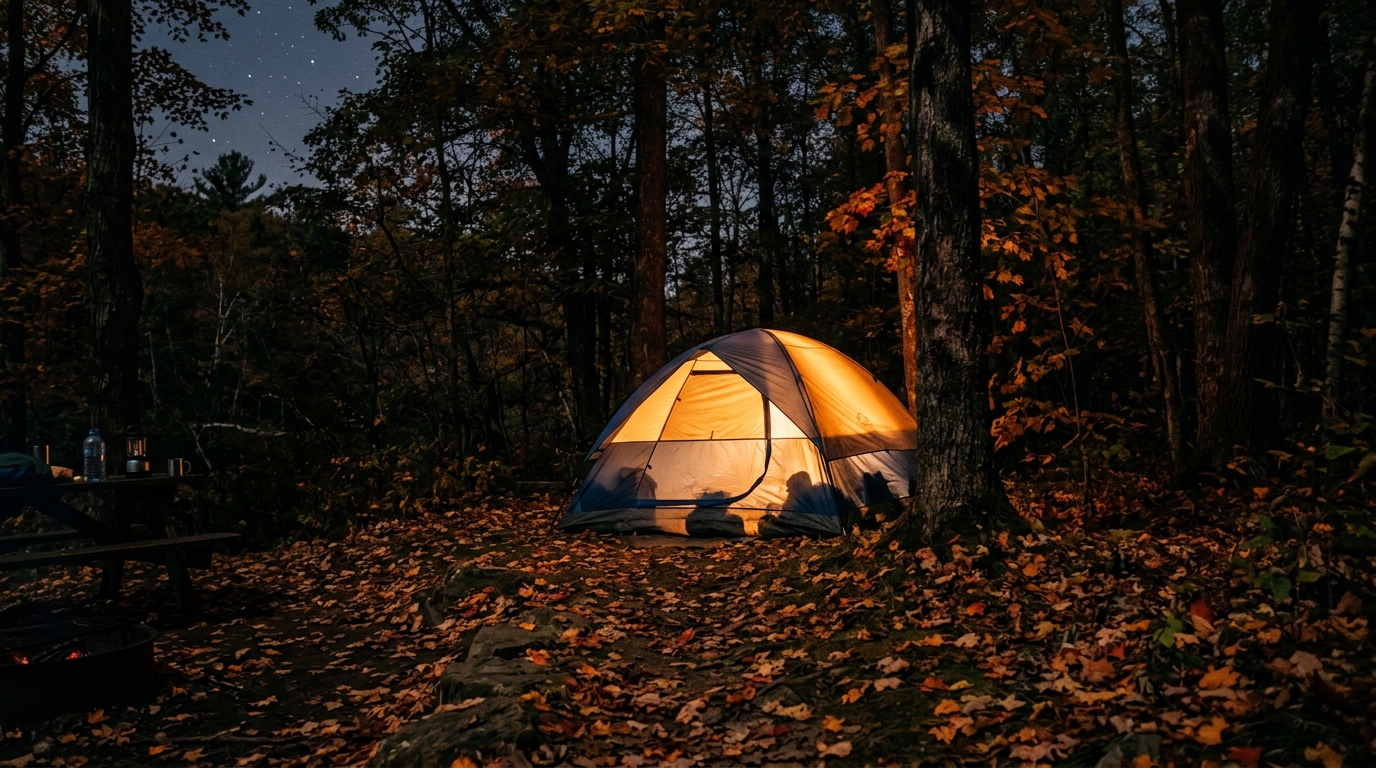 AI-generated image
In low-power environments, pairing a 300W low-power mini PTC heater with a 100~150W heated pad is the safest approach. Block ground chill using a self-inflating mat or foam pad with an R-value of 4.0+, while warming interior air with the mini heater to stay cozy without tripping breakers.
Meanwhile, taking advantage of autumn events such as the '2026 Jeonnam Gwangju Camping Tourism Expo' held from October 9–11, 2026, at the Ocean Touristic Complex in Haenam, or major retailers' fall and winter camping gear promotions, is a great way to acquire low-wattage heating gear and space-saving equipment at affordable prices.
Frequently asked questions
Q. What gear should I replace first to cut down on fall camping bulk?
Switching sleeping bags and clothing storage method offers the biggest immediate reduction. Replacing bulky synthetic sleeping bags with high-fill-power down bags and packing clothes into zippered compression cubes instantly cuts packing volume by 30-40%.
Q. How cold does it get at campsites during the October holidays?
Early to mid-October night temperatures at lowland campsites range around 8-10°C, but drop below 3-5°C in mountainous or riverfront areas. Because wind chill makes it feel colder, bring sleeping bags rated for lower temperatures and low-wattage heaters under 600W.
Q. Will compressing down jackets or sleeping bags damage them?
Short-term compression during transit or for a weekend camping trip will not affect the fill power loft. However, once you return home, uncompress them and store them loosely in a mesh storage sack in a well-ventilated, shaded area.
Q. What is a safe heating setup under the 600W limit at campsites?
We recommend combining a 300-400W mini PTC heater with a 100-150W heated sleeping pad. Using both simultaneously draws about 500-550W, staying safely under the 600W limit while keeping you warm.