Seoul Skin Clinic Tourist Guide: English Booking & Prices
Key takeaways
Planning a visit to a South Korean skin clinic in 2026 does not require a local phone number or an Alien Registration Card (ARC). Foreign travelers can reserve slots in English via WhatsApp, KakaoTalk, or Instagram DM. While the government medical VAT refund expired on December 31, 2025, non-benefit cosmetic pricing is discretionary under South Korean law, though clinics are required to disclose fees transparently.
Flying to South Korea for skin treatments can cut your cosmetic care costs dramatically compared to typical Western rates. Millions of international visitors make the trip each year for this exact reason. Getting dermatological care in another country might seem complicated, but this Seoul Skin Clinic Tourist Guide breaks down everything you need to know about clinic pricing, finding English-speaking staff, making reservations without a Korean phone number, and navigating recent tax policy changes.
From popular skin boosters like Rejuran Healer and JuveLook to energy-based collagen treatments and basic facials, understanding how Korean medical practices function helps you avoid inflated tourist pricing and choose the best facility for your needs.
Why Is Seoul the Global Hub for Aesthetic Dermatology?
Seoul dominates non-invasive aesthetic dermatology worldwide because intense market competition, modern laser technology, and streamlined patient turnover keep costs low and standards high. International patients routinely receive treatment from doctors using advanced equipment for a small fraction of Western fees.
Clear, luminous skin—commonly referred to as mulgwang (물광, or "water-glow skin")—is central to South Korean personal grooming standards. This cultural focus fuels a high domestic demand, which lowers operating costs and drives technical expertise. Devices such as Ultherapy, Thermage FLX, and specialized picosecond lasers are operated daily across major business districts.
South Korean healthcare laws require licensed medical doctors to personally perform all energy-based lasers, light therapies, and skin injections. Unlike clinics in many Western nations that rely heavily on nurses or aestheticians for high-tech procedures, Korean visits guarantee direct physician execution alongside low pricing.
Factory Chains vs. Doctor-Led Boutiques: How Do You Choose?
Selecting a clinic type comes down to your personal budget, available vacation time, required consultation depth, and comfort level with quick-turnaround medical environments.
Seoul skin clinics fall into three main operational models: high-volume factory chains, doctor-led boutique clinics, and board-certified specialist practices (pibugwa uiwon, 피부과 의원). Each offers distinct levels of direct care and consultation depth.
| Clinic Type | Target Audience | Consultation Style | Price Range | English Support |
|---|---|---|---|---|
| Factory Chains | Budget travelers, repeat basic care | Fast, manager-led, standardized | ₩ (Lowest) | Variable / App-based |
| Doctor-Led Boutiques | Targeted concerns, customized plans | Direct doctor consult + manager | ₩₩ (Moderate) | Dedicated in-house translators |
| Board-Certified Specialists | Medical conditions, complex skin cases | In-depth physician evaluation | ₩₩₩ (Highest) | Private translator / Bilingual doctor |
1. High-Volume Factory Clinics
Factory clinics focus on rapid patient turnaround and rock-bottom costs. After checking in, you sit down with a sales consultant or floor manager to select your treatments from a menu. In high-volume factory clinics, you may only see the treating doctor for a few minutes while lying on the procedure table. These locations work well for straightforward maintenance care, including Aqua Peels, standard botulinum toxin (Botox), and routine Pico Toning.
2. Doctor-Led Boutique Clinics
Boutique clinics blend tailored care with moderate pricing. A doctor examines your skin directly before setting treatment parameters, modifying laser power and injection sites based on your skin condition. These facilities usually feature private rooms and dedicated English coordinators who stay with you throughout your appointment.
3. Board-Certified Specialist Dermatology Clinics (Pibugwa Uiwon)
Any licensed general practitioner in South Korea can legally open an aesthetic clinic. However, board-certified dermatologists complete four additional years of specialized residency. Clinics displaying the red board certification mark (pibugwa, 피부과) specialize in severe acne, complex scarring, and intensive skin repair.
2026 Price Benchmark Guide: What Do Popular Treatments Cost?
Typical treatment prices in Seoul range from ₩20,000 for basic domestic Botox to over ₩2,000,000 for comprehensive energy lifting, with official rates set transparently in South Korean Won (KRW).
Published rate sheets from English-friendly facilities like Aive Clinic and Forena Clinic illustrate standard costs across the city. The following numbers reflect current pricing benchmarks in KRW as of late 2026.
| Treatment Category | Specific Procedure / Brand | Average Price Range (KRW) | Typical Downtime |
|---|---|---|---|
| Skin Boosters | Rejuran Healer (2cc) | ₩180,000 – ₩450,000 | 24–48 hours (embossing/bumps) |
| JuveLook Skin (2cc) | ₩200,000 – ₩400,000 | 12–24 hours (minor redness) | |
| Exosome Therapy (5cc) | ₩150,000 – ₩350,000 | Few hours (mild swelling) | |
| Laser & Pigment | Pico Toning (Single Session) | ₩40,000 – ₩250,000 | None (immediate normal activity) |
| LDM Water Drop Lifting | ₩50,000 – ₩150,000 | None | |
| Lifting & Tightening | Shurink Universe (HIFU, 300 Shots) | ₩100,000 – ₩250,000 | None to mild soreness |
| Ultherapy (300 Shots) | ₩800,000 – ₩1,300,000 | Minor swelling (3–5 days) | |
| Thermage FLX (600 Shots) | ₩1,500,000 – ₩2,500,000 | Temporary redness | |
| Wrinkle & Muscle | Domestic Korean Botox (1 Area) | ₩20,000 – ₩60,000 | None |
| Foreign Botox (Xeomin/Allergan) | ₩70,000 – ₩180,000 | None |
Note: Medical consultation guidelines advise discussing your individual health history and allergies with a qualified doctor prior to undergoing any injectable or laser procedure. Always consult a certified doctor or dermatologist to determine the safety and suitability of any treatment for your individual skin condition.
JuveLook vs. Rejuran: Which Skin Booster Should You Choose?
Travelers often compare Rejuran Healer and JuveLook when choosing skin boosters. Their active ingredients work differently inside the skin:
- Rejuran Healer (Polynucleotide / PN): Formulated from salmon DNA, Rejuran repairs damaged cellular structures and strengthens weakened skin barriers. It works best for thin, sensitive, or inflamed skin. Small skin bumps ("embossing") remain visible for 24 to 48 hours.
- JuveLook (PDLLA + Hyaluronic Acid): Blends poly-D,L-lactic acid with hydration agents to trigger long-term collagen generation. It addresses fine lines, enlarged pores, and mild acne scars with minimal visible recovery time.
Did the Medical Tax Refund Expire? Key Policy Updates
No 10% medical tax refunds are available for foreign travelers purchasing aesthetic procedures in South Korea in 2026.
While foreign tourists previously claimed VAT refunds at tax counters for cosmetic work, The South Korean government's special medical VAT refund policy for foreign visitors officially expired on December 31, 2025, and was not renewed.
Public updates collected in resources like the Medical Travel Korea 2026 Guide confirm that major clinics now offer bundled treatment packages to balance out the ended tax rebate.
How to Book an Appointment in English Without a Korean Phone Number
You do not need a local South Korean phone number or an Alien Registration Card (ARC) to schedule an appointment in Seoul.
Most clinics catering to international patients run dedicated English booking desks accessible via global chat apps and travel platforms.
Best Neighborhoods for English-Speaking Clinics
- Gangnam & Sinsa: The primary district for aesthetic medicine. Offers the highest density of English, Mandarin, and Japanese coordinators, specialized doctor boutiques, and advanced laser equipment.
- Myeongdong: Ideal for tourists staying in central Seoul. Staff members are highly fluent in multiple languages, making quick walk-ins or same-week appointments accessible.
- Hongdae: Features trendy, youth-focused factory and boutique clinics catering to university students and international travelers seeking basic lasers and quick facial care.
What Should You Expect During Your Visit? Step-by-Step Experience
Appointments follow an organized, efficient multi-step process from initial intake to final check-out.
When visiting clinics in hubs like Gangnam or Cheongdam, patient care moves through a standardized sequence designed to maximize hygiene and keep wait times short.
[1. Passport Check-in] ➔ [2. Skin Analysis] ➔ [3. Manager/Doctor Consult]
                                                               📉
[6. Post-Care & Departure] ⬅ [5. Doctor Procedure] ⬅ [4. Cleansing & Numbing]
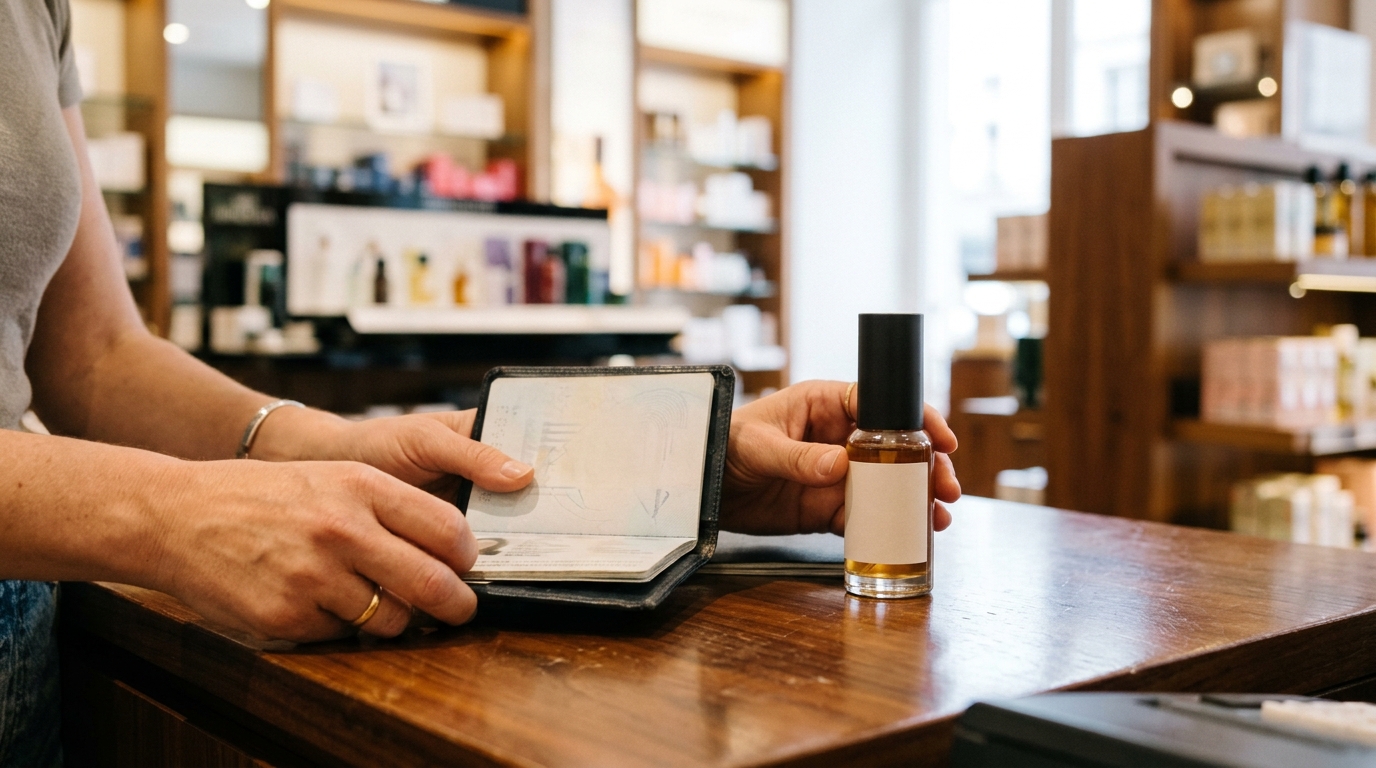
- Check-In & Identification: Present your physical passport at reception. Korean healthcare laws require clinics to log verified international passport details on medical records.
- 3D Skin Analysis: Automated scanners (like Mark-Vu or Janus) photograph deeper skin layers to evaluate pigmentation, pore depth, oil balance, and elasticity.
- Treatment Consultation: You review diagnostic scans with an English coordinator and a consultant or physician to choose procedures within your budget and schedule.
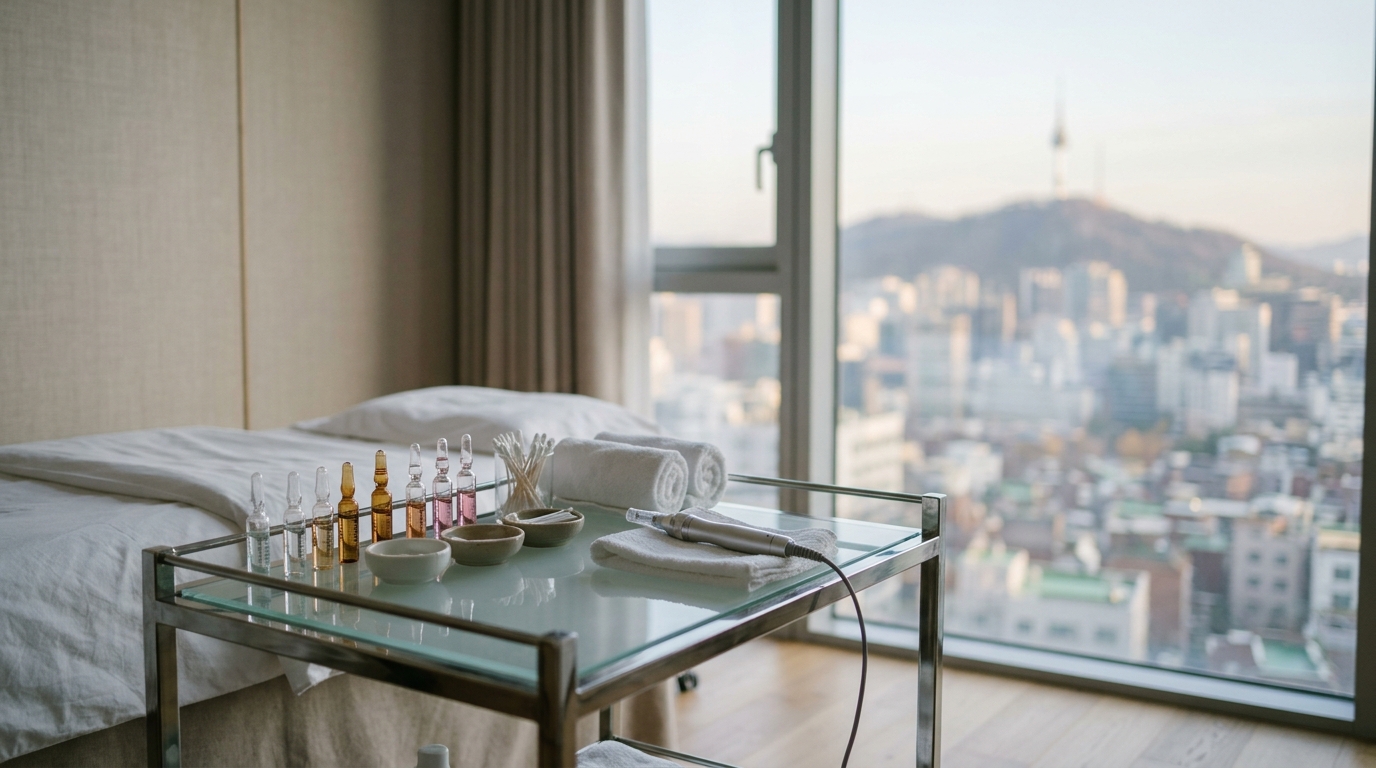
- Cleansing & Topical Anesthetic: Staff guide you to a washing station or private room for makeup removal. Numbing cream (manbi cream) sits on the skin for 20 to 40 minutes before injections or intense lasers.
- Procedure Execution: Inside the treatment room, the physician checks your identity, opens sealed injectable vials or new laser tips in front of you, and carries out the treatment.
- Soothing Post-Care & Payment: Staff apply a soothing modeling mask, red LED light, and healing cream. You finalize payment at the desk and receive printed care guidelines.
Practical Visitor Checklist: Planning, Transport, and Aftercare
Timing treatments properly within your vacation itinerary protects your recovery and keeps your travel plans intact.
Schedule high-downtime procedures toward the end of your trip to avoid active sun exposure or complications while sightseeing.
Managing Downtime on Vacation
Visit traditional saunas (jjimjilbang, 찜질방) or nightlife spots before your medical appointment. High heat and alcohol elevate blood circulation, which amplifies swelling and bruising after laser or injection sessions.
Guides like the MJ Skin Clinic Gangnam Guide provide practical frameworks for balancing holiday travel schedules with medical recovery guidelines.
Frequently asked questions
Q. Do I need a Korean phone number or Alien Registration Card (ARC) to book?
No, foreign tourists do not need a Korean phone number or Alien Registration Card (ARC). English-friendly clinics in Seoul handle reservations through global channels like WhatsApp, KakaoTalk, Instagram DM, and booking platforms like Creatrip.
Q. Is there a 'foreigner price' markup at Korean skin clinics?
South Korean Medical Law does not prohibit setting higher non-benefit prices for foreign patients or enforce identical rates to locals. However, Article 45 requires non-benefit price disclosure, and reputable clinics publish their full price menus publicly on their websites.
Q. Can foreign tourists still claim a 10% medical tax refund at airport kiosks in 2026?
No. The South Korean government's special medical VAT refund policy for international cosmetic procedures expired on December 31, 2025, and was not extended for 2026. Standard retail shopping tax refunds still apply.
Q. What is the practical difference between a factory clinic and a doctor-led boutique clinic?
Factory clinics offer low prices and fast turnaround with manager-led consultations and brief doctor interaction. Boutique clinics provide direct consultations with medical doctors, tailored parameter settings, private treatment rooms, and dedicated English-speaking staff.